First impressions matter in business. Before a meeting starts, before a presentation begins and before a conversation develops, visitors have already formed an opinion about your organisation.
That opinion is shaped by your workplace.
From the entrance and reception area to meeting rooms, breakout spaces and hospitality points, workplace design influences how clients, recruits, partners and stakeholders perceive your business. Therefore, a well-designed office should do more than look professional. It should communicate trust, confidence, quality and care from the moment someone arrives.
At ADT Workplace, we design commercial interiors that support people, performance and brand experience. As a result, every space should work hard for the business behind it.
Why Workplace Design Shapes Business Perception
Your office is often one of the most visible expressions of your brand. A website, proposal or brochure may introduce your business. However, your workplace brings that brand to life in a physical way.
When a visitor enters your office, they quickly notice the atmosphere. They may not analyse every detail, yet they will respond to how the space feels. Is it calm, organised and welcoming? Does it feel confident and established? Is it easy to navigate? Does it reflect the quality of service you promise?
These details influence client confidence. In addition, they can affect how potential employees view your business. A considered workplace shows that you value professionalism, experience and the people who use the space.
Reception Design Sets the Tone
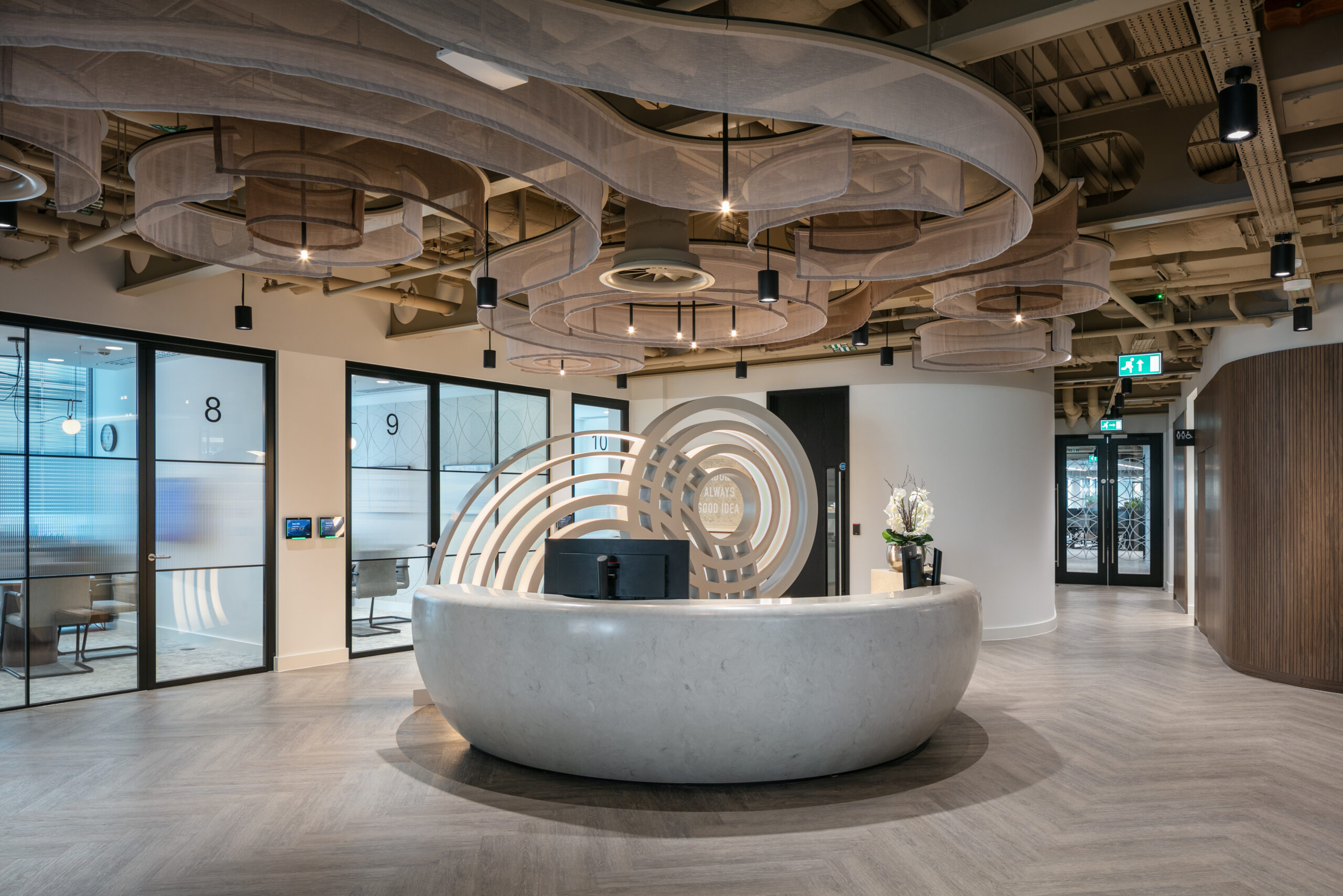
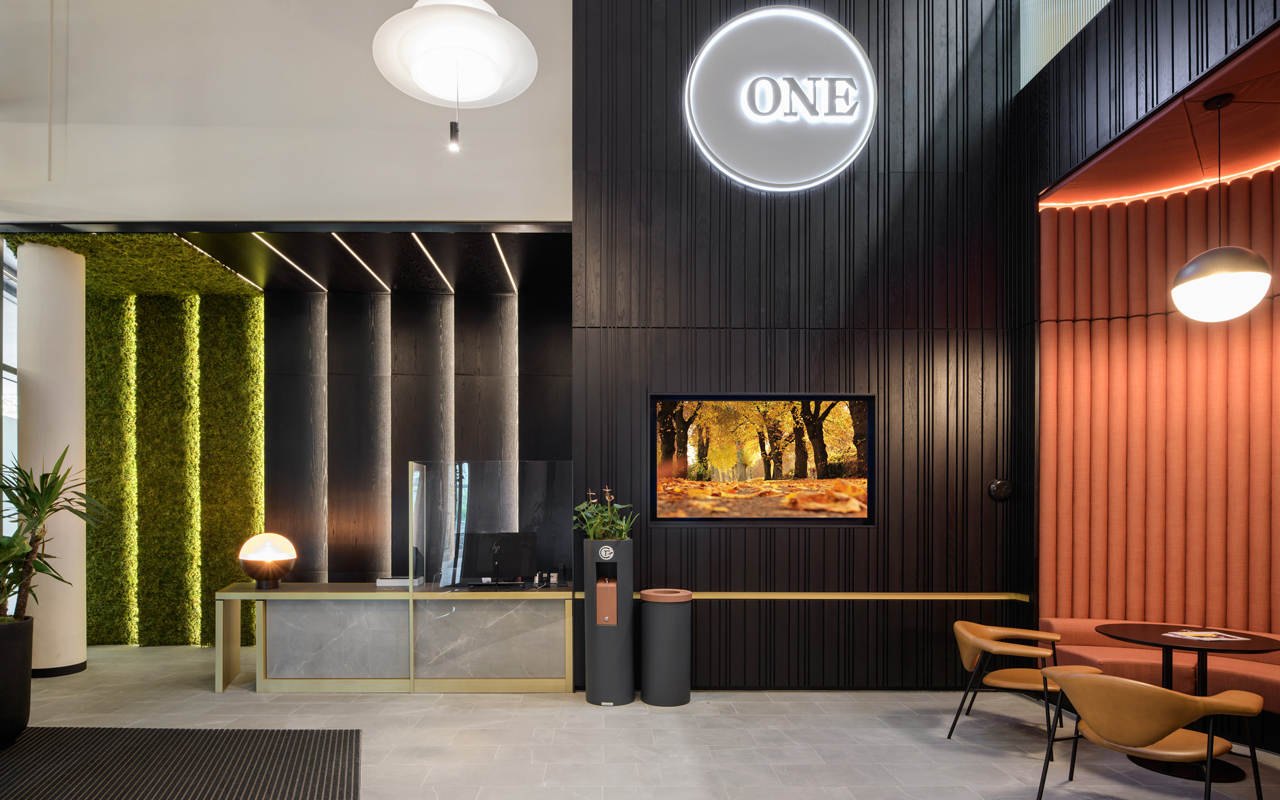
Reception design plays a key role in workplace first impressions. It is often the first internal space a visitor sees, so it needs to feel clear, welcoming and aligned with your brand.
However, a reception area should not be designed around appearance alone. It also needs to function well. Visitors should understand where to go, who to speak to and what to expect next. Good lighting, comfortable seating, clear signage and well-planned circulation all help create a smooth arrival experience.
For some businesses, the reception may feel formal and premium. For others, it may feel relaxed, creative and hospitality-led. Either way, the design should feel intentional. When reception design supports both brand and function, it creates confidence from the start.
The Arrival Experience Matters
The arrival experience begins before someone reaches the meeting room. It includes the entrance, signage, waiting space, lighting, acoustics, temperature and even how easily people move through the office.
Therefore, wayfinding is an important part of commercial interior design. Visitors should not feel confused, overlooked or unsure where to go. Clear routes, intuitive layouts and visible touchpoints help people feel comfortable.
This is especially important in larger workplaces, multi-floor offices and shared buildings. A poor arrival experience can create unnecessary friction. In contrast, a well-planned one helps meetings begin in the right frame of mind.

Meeting Environments Build Confidence
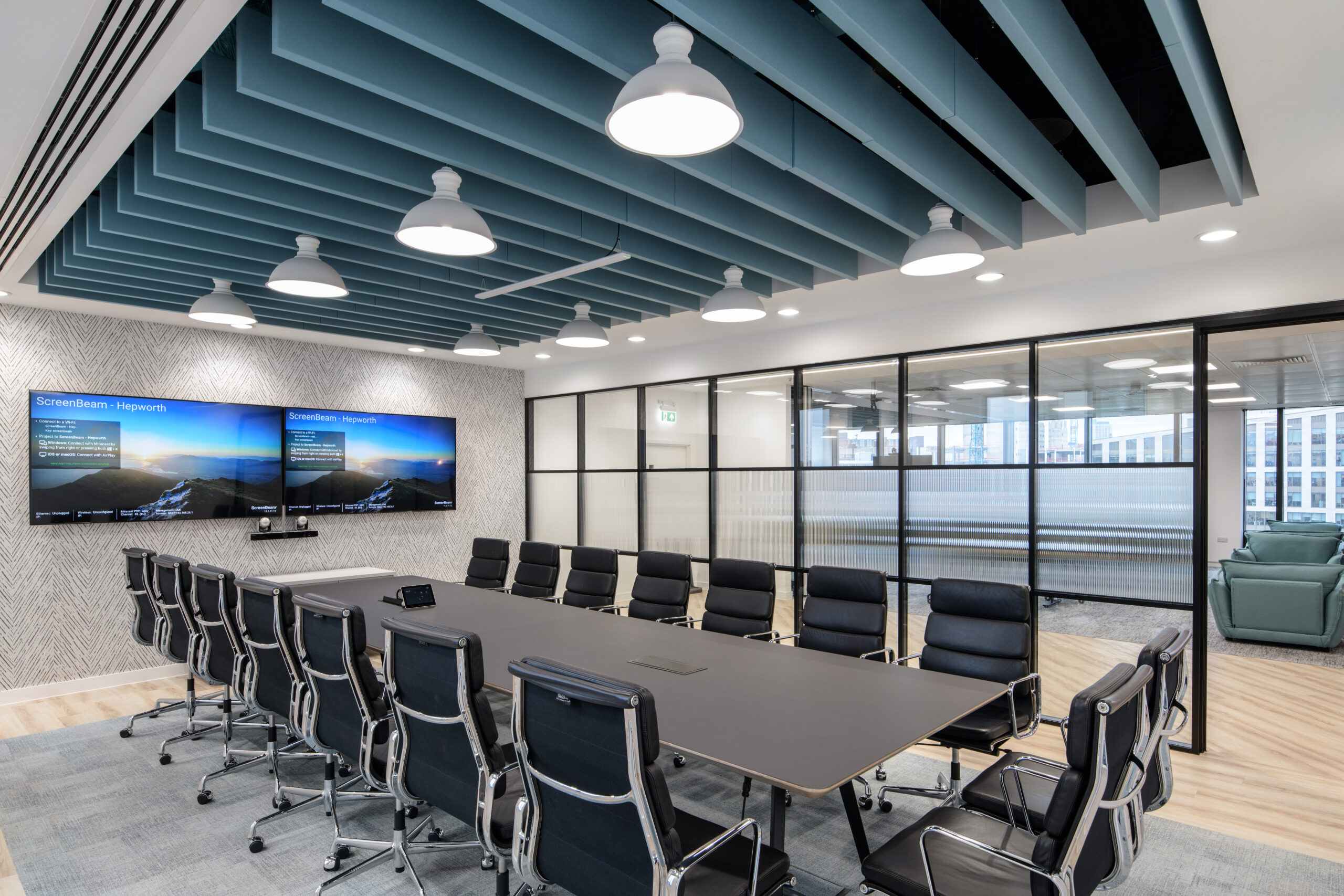
Meeting rooms are where many important business conversations happen. Therefore, they should support focus, comfort and communication.
A strong meeting environment considers layout, lighting, acoustics, technology and privacy. For example, a client presentation may need clear sight-lines and reliable AV. A confidential discussion may need acoustic separation. Meanwhile, an informal project catch-up may benefit from a more relaxed setting.
The best workplaces provide different meeting environments for different needs. As a result, teams and visitors can use spaces that suit the purpose of each conversation.
Meeting room design also reflects attention to detail. If the technology works, the seating is comfortable and the space feels prepared, visitors notice. Although these details may seem small, they can shape the overall perception of your business.
Brand Expression Should Feel Natural
Brand expression in the workplace is not just about logos on walls. Instead, it should be woven into the design in a subtle and meaningful way.
This could include colour palettes, materials, artwork, furniture choices, feature finishes and the overall tone of the space. For example, a professional services firm may want a refined and assured interior. A technology business may need a more agile, energetic and flexible environment.
However, brand expression should never feel forced. The aim is to create a workplace that feels authentic to your business. When design reflects your values, clients and employees experience a clearer sense of who you are.
Workplace Hospitality Creates a Better Visitor Experience
Modern workplace design is increasingly influenced by hospitality. This means creating spaces that feel more welcoming, comfortable and service-led.
A visitor should feel considered, not processed. Therefore, refreshment points, informal seating, waiting areas and breakout spaces can all support a better experience. These areas also help create more relaxed moments before and after meetings.
Workplace hospitality is also valuable for employees. When spaces feel comfortable and well planned, people are more likely to feel proud of their workplace. In turn, that pride can influence how they welcome clients and represent the business.
First Impressions Also Influence Recruitment
Workplace design does not only affect clients. It also influences potential recruits. When candidates visit your office, they are assessing the business too.
They may ask themselves whether the workplace feels organised, modern and supportive. They may also look for signs of culture, wellbeing and flexibility. Therefore, your office can play a direct role in talent attraction.
A workplace that feels considered can help reinforce your employer brand. Moreover, it can show that you invest in your people and care about their daily experience.
Designing Workplaces That Represent Your Business
A strong commercial interior should support more than daily operations. It should help your business present itself with confidence.
At ADT Workplace, we help businesses create workplaces that feel professional, welcoming and aligned with their brand. We consider the full journey, from arrival and reception through to meeting spaces, work settings and social areas.
As a result, the workplace becomes more than a place to work. It becomes a physical expression of the business.