Commercial office interior design is no longer just about creating a space that looks impressive. Today, businesses need workplaces that support performance, reflect brand identity and improve the employee experience. Therefore, every design decision needs to work harder.
A strong office interior should make an immediate impression. However, it should also support how people move, meet, focus, collaborate and recharge throughout the day. When design is only led by appearance, the result can be a workspace that looks polished but feels difficult to use. Instead, impactful design brings visual quality and workplace function together.
At ADT Workplace, we see commercial office interior design as a strategic part of the wider workplace journey. It connects layout, lighting, acoustics, materials, furniture, technology and brand expression into one clear environment. As a result, the finished space has purpose, personality and long-term commercial value.
Designing for first impressions
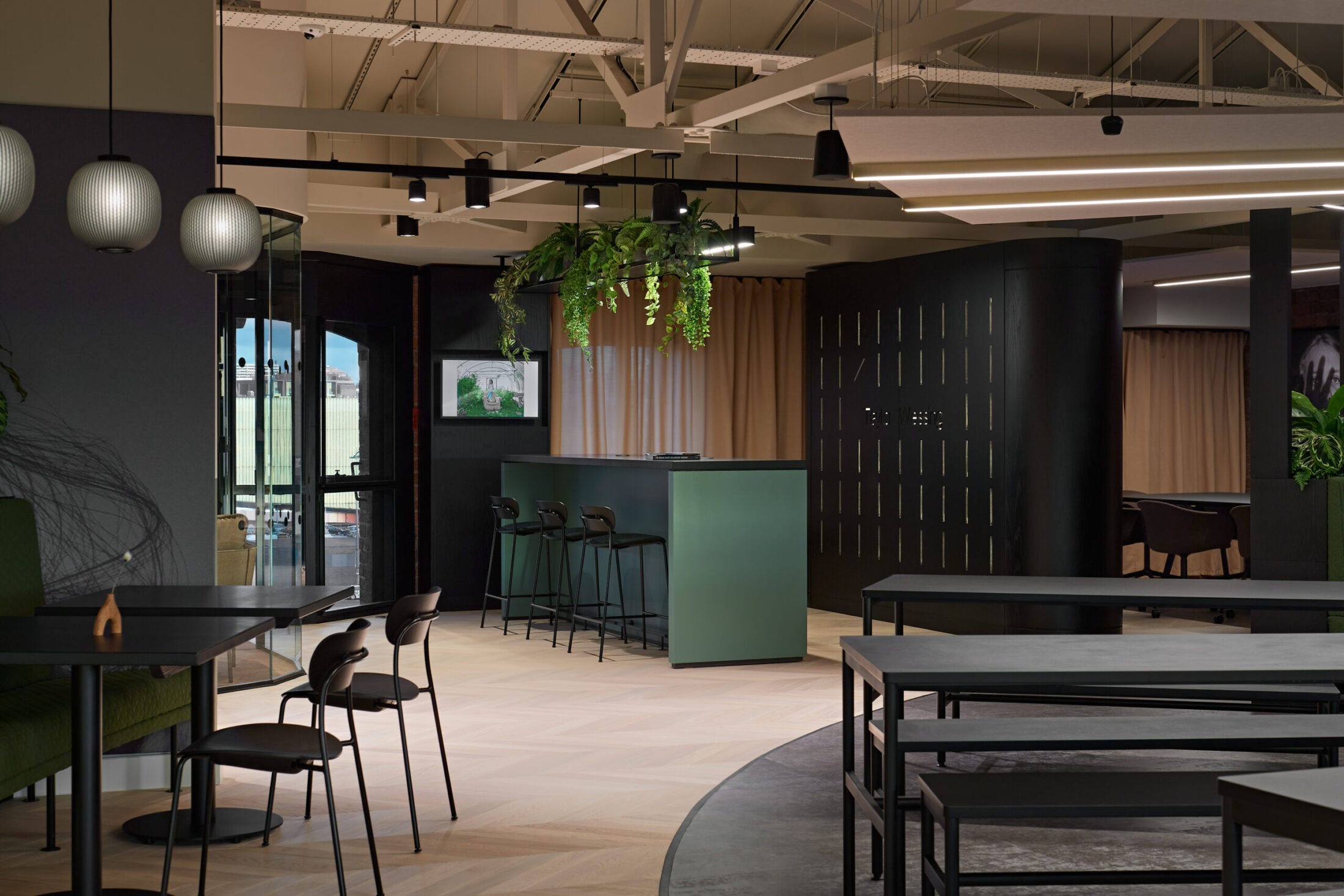
Your office says something about your business before a conversation begins. From reception areas and meeting suites to social spaces and work zones, each part of the workplace shapes how people feel.
For clients, visitors and new starters, the space should communicate confidence and professionalism. However, this does not mean overdesigning every area. Often, the most effective interiors use a balanced approach. Clear layouts, considered finishes, good lighting and subtle brand details can create a stronger impact than a space filled with unnecessary features.
In addition, first impressions should continue beyond the entrance. Meeting rooms, breakout areas, corridors and shared spaces all contribute to the experience. Therefore, the whole journey through the office needs to feel connected.
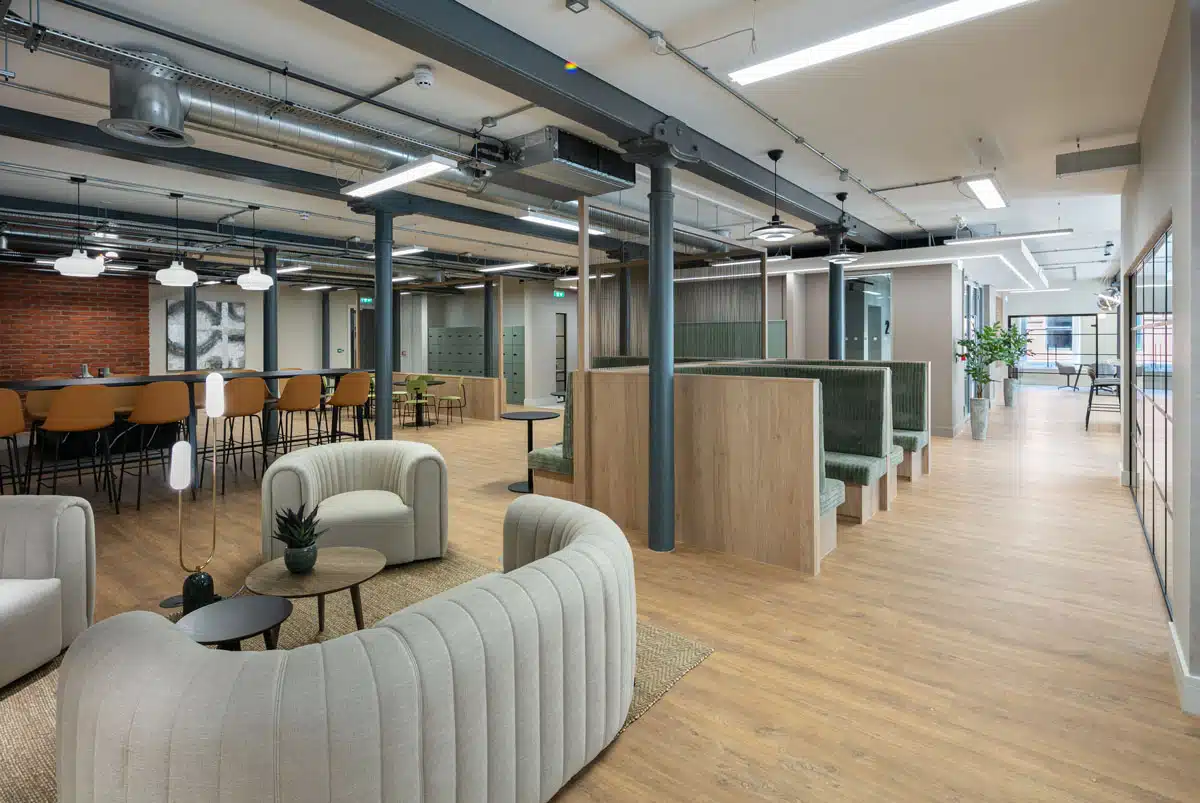
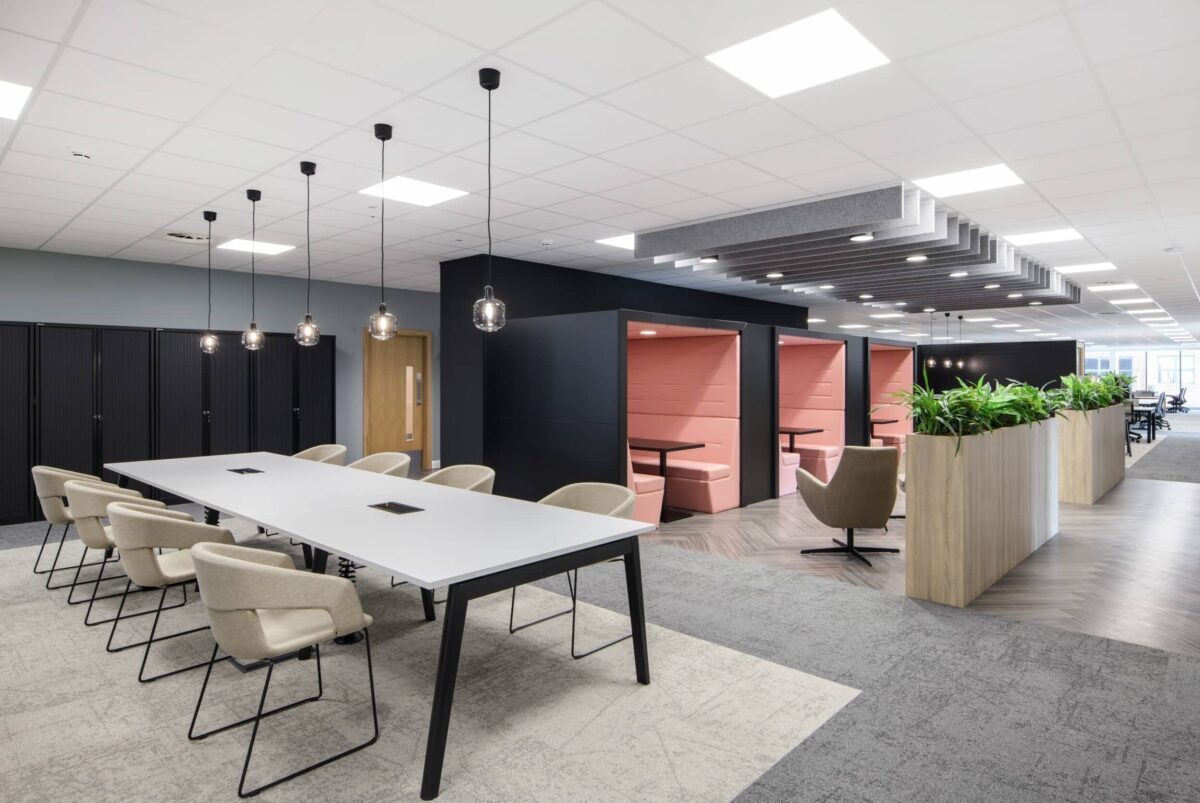
Balancing brand identity with functionality
Brand plays an important role in commercial office interior design. It helps a space feel specific to the business, rather than generic. However, branding should never reduce usability.
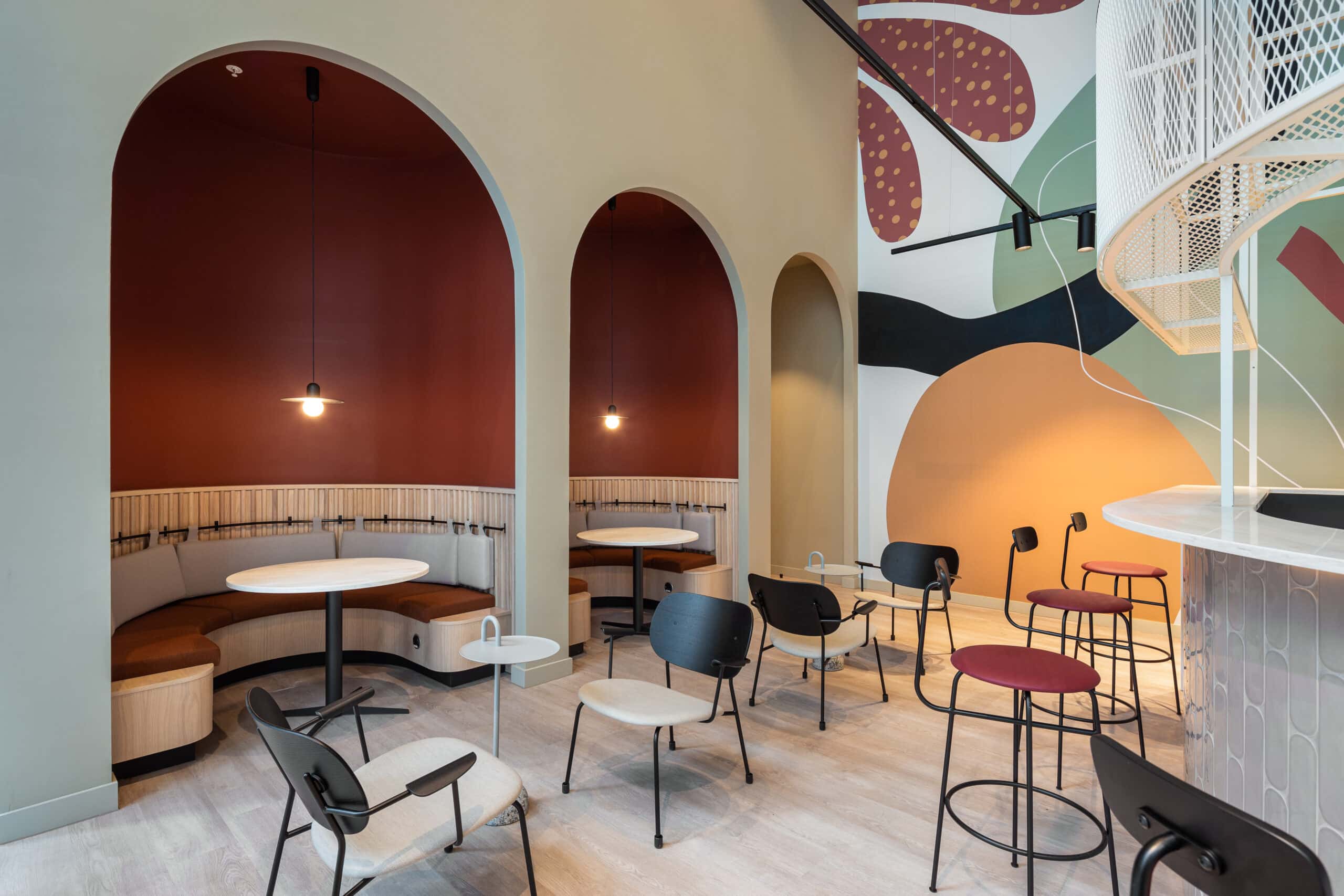
Impactful brand integration can include colour palettes, graphics, materials, signage, furniture choices and feature areas. Yet, these elements should support the overall workplace experience. For example, a bold reception wall may create visual interest. Meanwhile, clear wayfinding can help people navigate the space with ease.
The best results come when brand identity is built into the design from the start. This allows the space to feel authentic, rather than decorated at the end. Consequently, the workplace becomes a physical expression of the business.
Layouts that support real work
A visually strong office still needs to function well. Therefore, layout planning is one of the most important parts of interior design.
Teams need different settings for different tasks. Some work requires quiet focus. Other tasks need collaboration, discussion or quick decision-making. In addition, hybrid working has changed how often people use the office and what they expect from it.
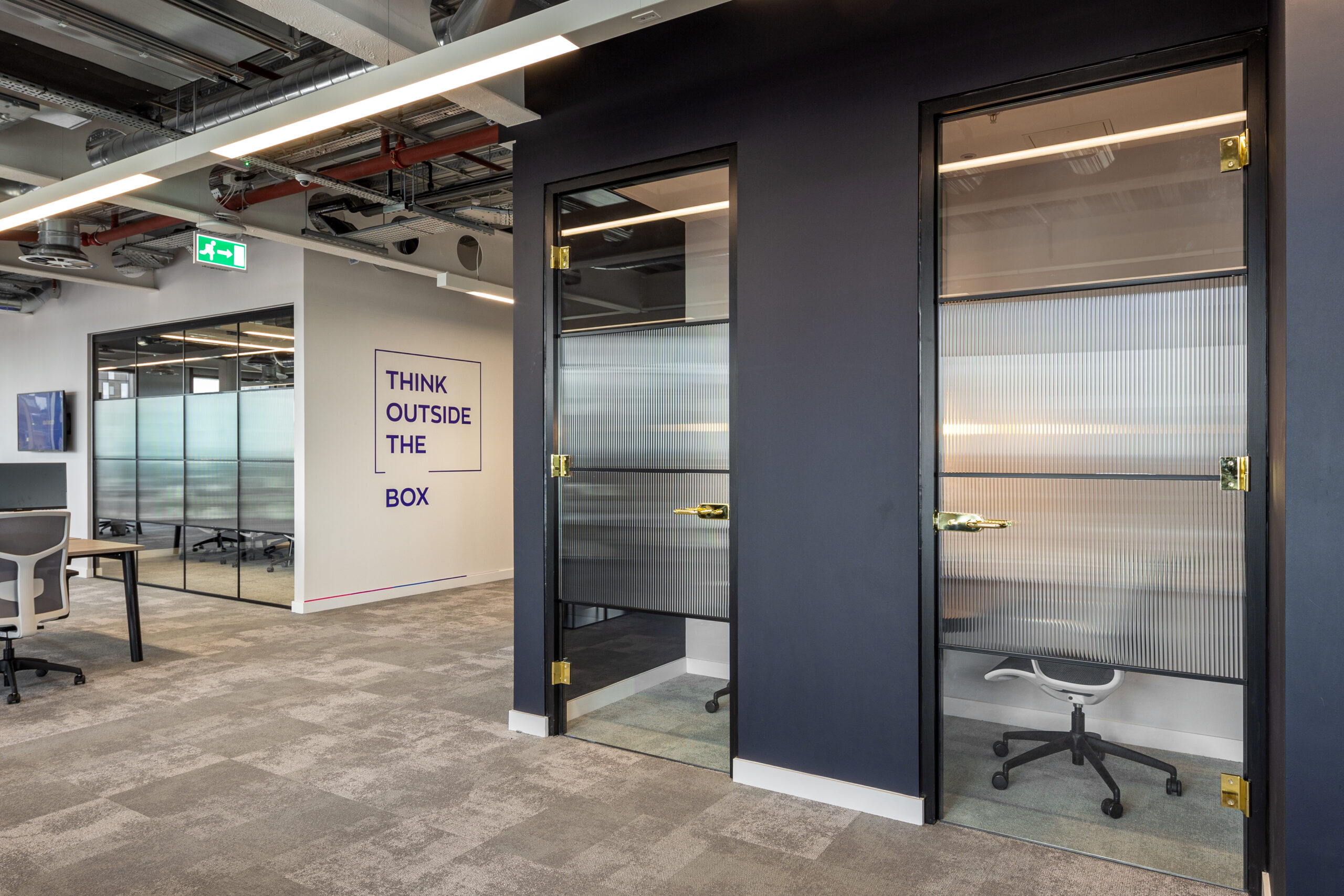
A successful layout may include focused work areas, meeting rooms, informal collaboration spaces, phone booths, project areas and social zones. However, placement matters. Quiet areas should not sit next to noisy breakout spaces. Meeting rooms need to be accessible without disrupting desk teams. Likewise, circulation routes should feel natural and easy to follow.
When the layout supports daily behaviour, the office becomes easier to use. As a result, people are more likely to engage with the space.
Materials, finishes and long-term value
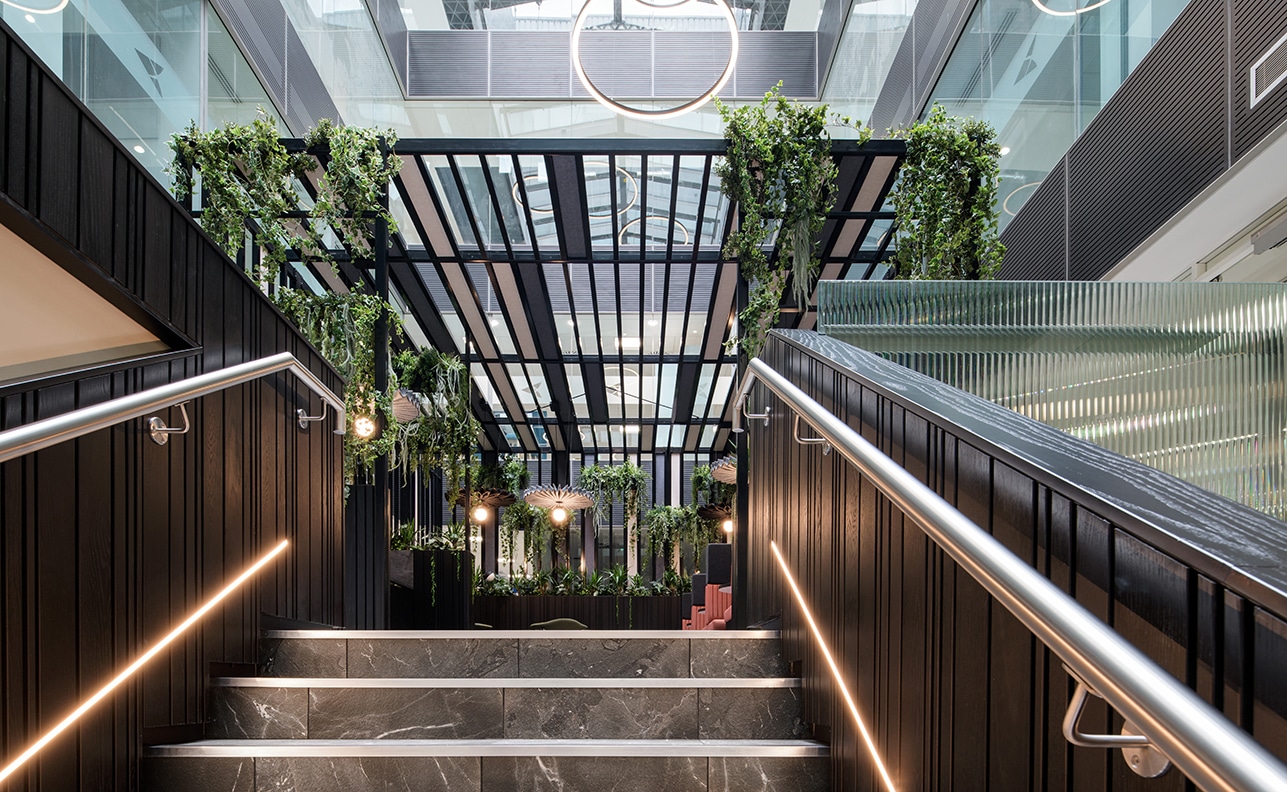
Materials have a major influence on the look, feel and performance of a workplace. They affect durability, acoustics, comfort, sustainability and maintenance. Therefore, specification should always consider more than appearance.
For example, hard finishes can create a sharp, premium feel. However, they can also increase noise if they are not balanced with acoustic treatments. Similarly, soft finishes can add warmth and comfort, but they must be suitable for the level of use.
Sustainable choices are also becoming a key part of commercial interior design. This can include reused elements, responsibly sourced materials, durable finishes and products with better lifecycle value. In turn, these decisions can help reduce waste and support long-term performance.
Lighting and acoustics shape the experience
Lighting and acoustics can make or break a workspace. Even the most attractive office can feel uncomfortable if it is too loud, too dark or filled with glare.
Good lighting should support different activities. Task areas may need clear, focused light. Social spaces may benefit from softer lighting. Meeting rooms need to work well for both in-person and video calls. Therefore, lighting should be planned around how each area will be used.
Acoustics are equally important. Open spaces, meeting rooms, phone booths and breakout areas all need different levels of sound control. Without this, distraction can quickly affect productivity. However, with the right materials and planning, the workplace can feel calmer and more effective.
Creating spaces that support culture
Commercial office interior design also influences workplace culture. The way spaces are planned can encourage connection, support wellbeing and help teams feel more engaged.
Social and breakout spaces are a good example. When they are well placed and well designed, they become more than areas for breaks. They support informal conversations, team bonding and moments away from focused work. However, they need to be positioned carefully, so they do not disturb quieter zones.
In addition, inclusive design matters. A workplace should offer choice, comfort and accessibility. This can help more people feel supported throughout the day. As a result, the office becomes a place people want to use, not just a place they are expected to attend.

Designing for change
Businesses change over time. Teams grow, departments shift and technology develops. Therefore, impactful office interiors should be designed with flexibility in mind.
This may include adaptable furniture, multi-use rooms, spare power and data capacity, modular settings and layouts that can evolve. Although bespoke features can create impact, they should be used carefully. Too many fixed elements can make future changes more difficult and expensive.
By planning for change early, the workplace can continue to support the business beyond the first day of occupation.
Bringing impact and performance together
The most effective commercial office interior design creates a strong visual impression while supporting real workplace needs. It reflects the brand, improves usability and helps people perform at their best.
At ADT Workplace, we connect consultancy, design and fit-out delivery to create offices with purpose. By understanding how your teams work, how your space needs to perform and how your brand should be experienced, we can shape an interior that delivers lasting value.
A great office should look impressive. More importantly, it should work beautifully every day.