Modern office fit outs are no longer planned around desks alone. Although focused workspaces and meeting rooms remain essential, businesses now need offices that offer much more. People come into the workplace to connect, share ideas, build relationships and feel part of a wider culture.
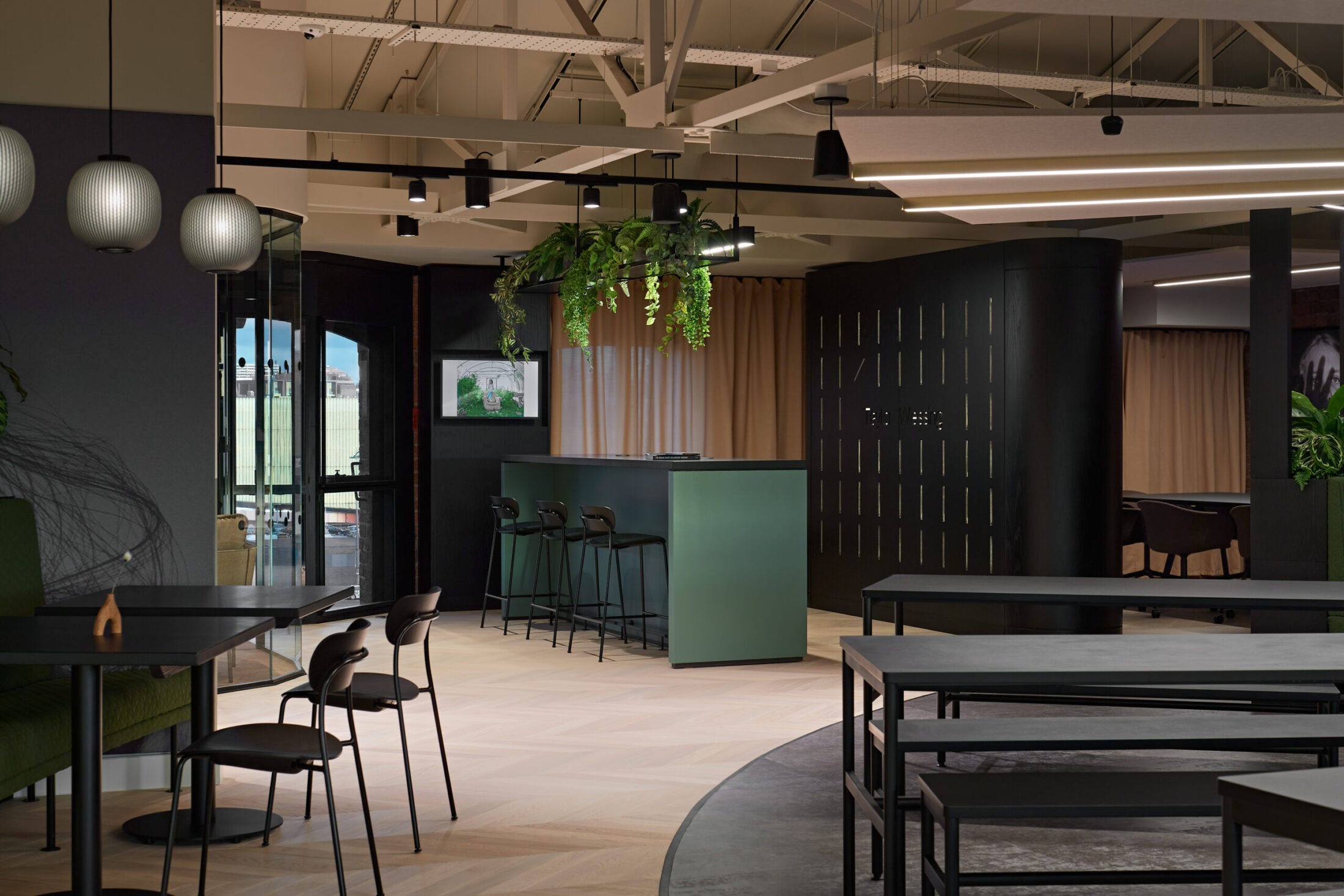
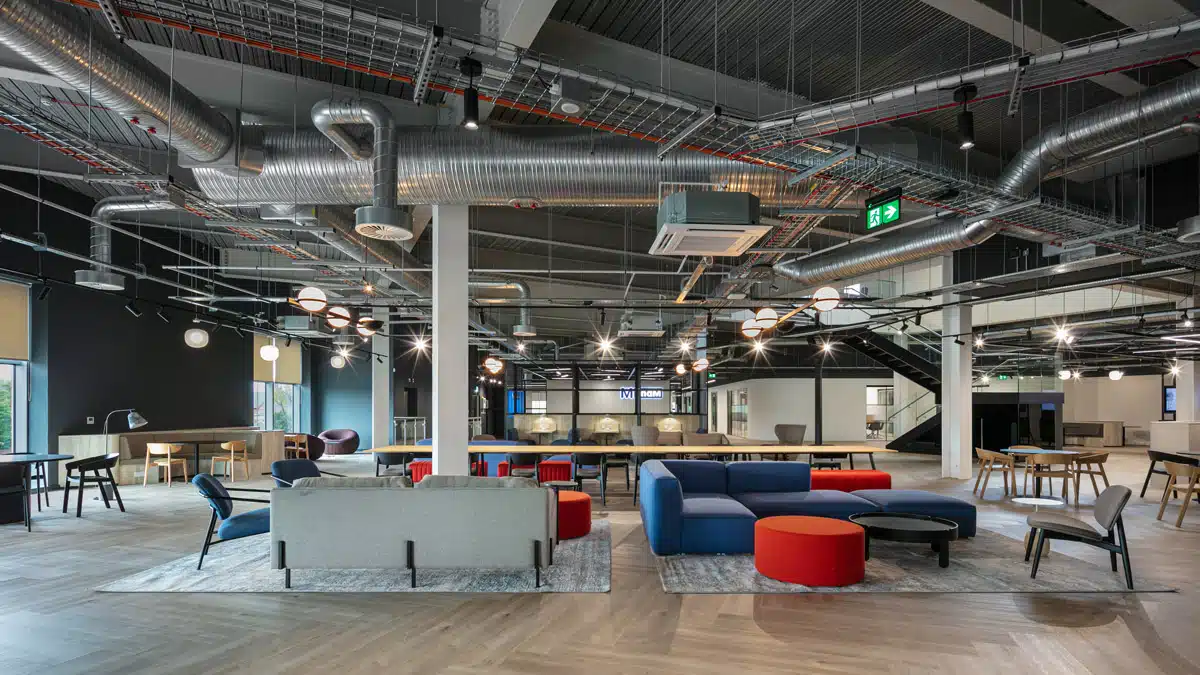
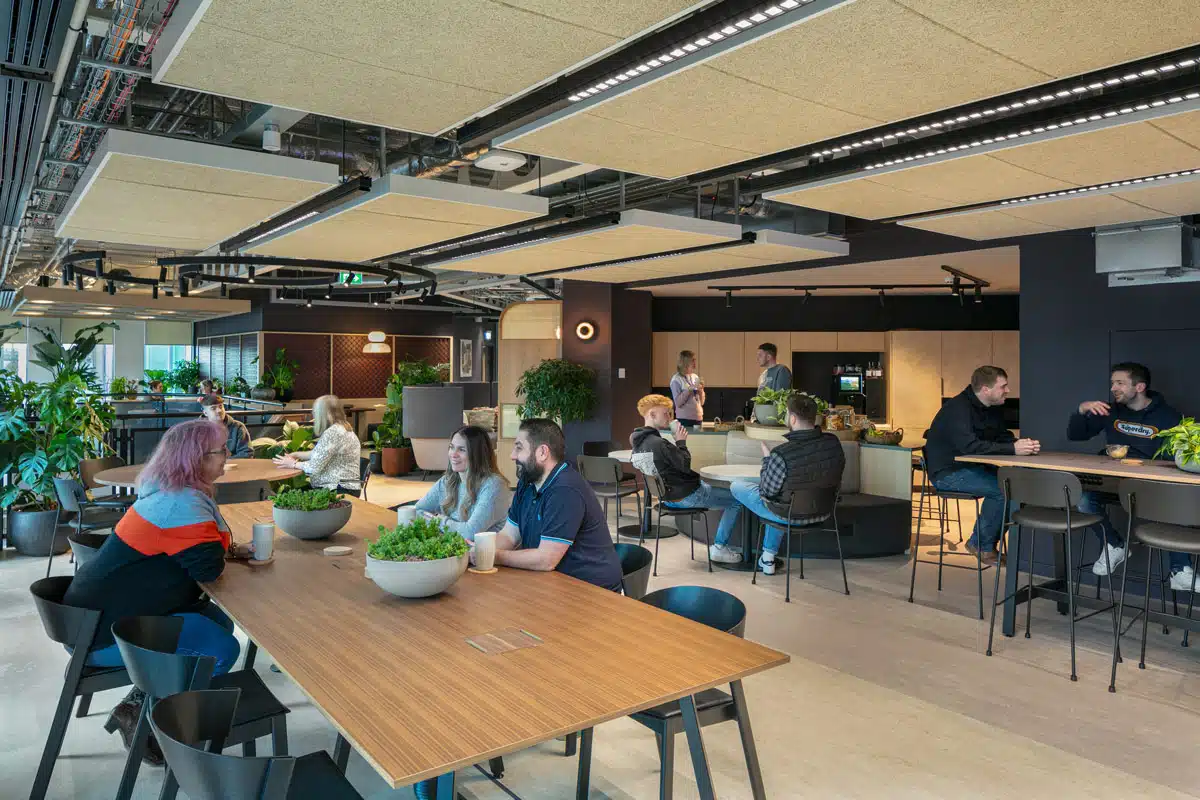
Because of this, social spaces have become central to successful office design. Breakout areas, kitchens, lounges, café-style settings and informal meeting points all shape how people experience the workplace each day. When these areas are designed well, they become the heartbeat of the office.
At ADT Workplace, we design and deliver office fit outs that support how people actually work. That means creating social spaces that feel useful, welcoming and connected to the wider workplace.
The Changing Role of Social Spaces
In the past, social areas were often treated as secondary spaces. They were placed wherever there was spare room, with limited thought given to purpose or behaviour. However, that approach no longer reflects the way modern teams use the office.
Today, social spaces support many different activities. They give people somewhere to pause between tasks, catch up with colleagues or hold informal conversations. In addition, they can support quick team check-ins, relaxed client meetings and moments of creative thinking.
This matters because workplace experience now plays a major role in office attendance. If employees are choosing when to come into the office, the space needs to offer value beyond a desk. Therefore, social areas must feel intentional rather than incidental.
Supporting Connection and Culture
A strong workplace culture is built through daily interactions. Some of these happen in planned meetings, yet many happen naturally between tasks. A well-designed social space gives those moments a place to happen.
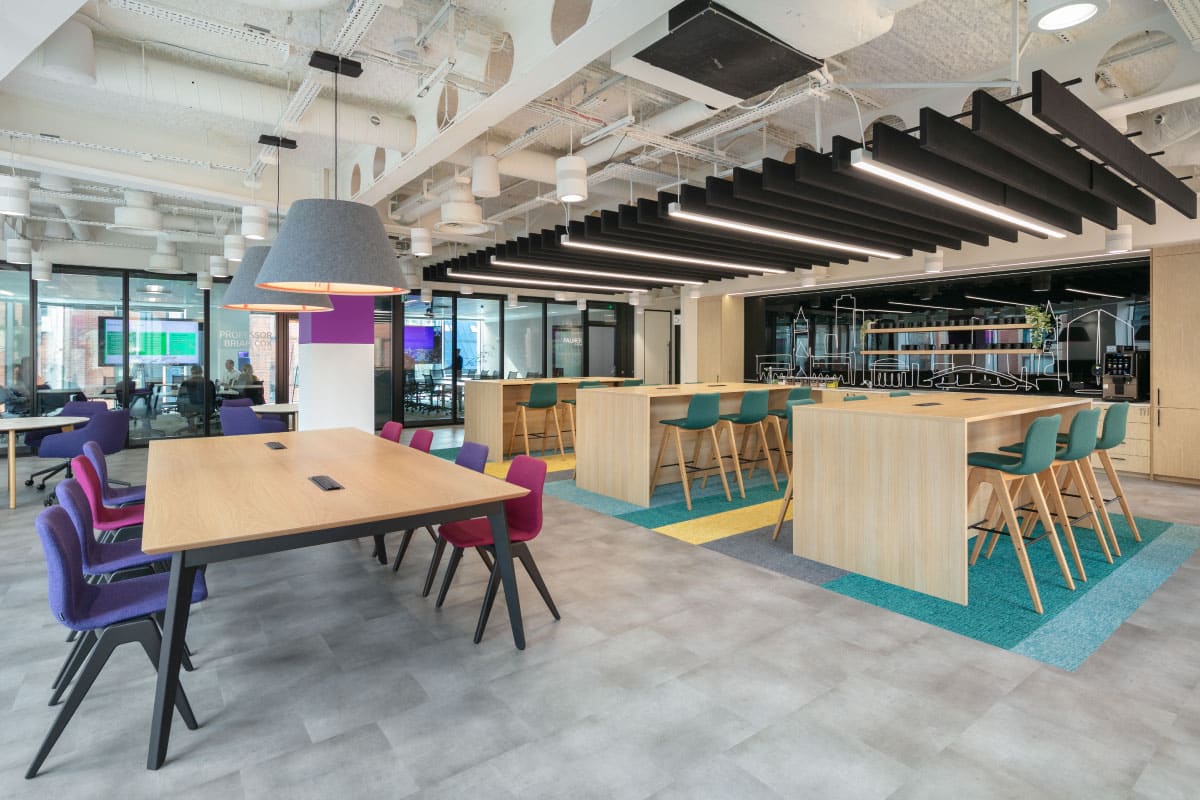
For example, a shared kitchen or breakout area can bring different teams together. A comfortable lounge can encourage informal conversations. Meanwhile, café-style seating can help create a more relaxed atmosphere during the working day.
These spaces are especially important in hybrid workplaces. When teams are not together every day, time in the office should support connection. As a result, the layout needs to encourage people to meet, talk and collaborate without forcing interaction.
Social spaces also help express brand and culture. Through finishes, furniture, artwork, lighting and layout, they can communicate the personality of the business. This helps the office feel more human, more memorable and more aligned with the people who use it.
Creating Balance Across the Workplace
A successful office fit out needs balance. If every area is designed for focus, the workplace can feel rigid. However, if social areas are too dominant, they can create noise and distraction.
That is why zoning is so important. Social spaces should be positioned carefully within the wider layout, so they support movement without disrupting quieter areas. For instance, placing a breakout area near a kitchen or collaboration zone can work well. By contrast, placing it too close to focused workstations may cause problems.
Acoustic planning also matters. Soft furnishings, ceiling treatments, wall finishes and screening can help control sound. As a result, social areas can feel lively without overwhelming the rest of the office.
When planned properly, these spaces improve flow. They create natural points of pause within the working day. In turn, people can move between focused work, meetings and social interaction more easily.
Why Poorly Planned Social Spaces Go Unused
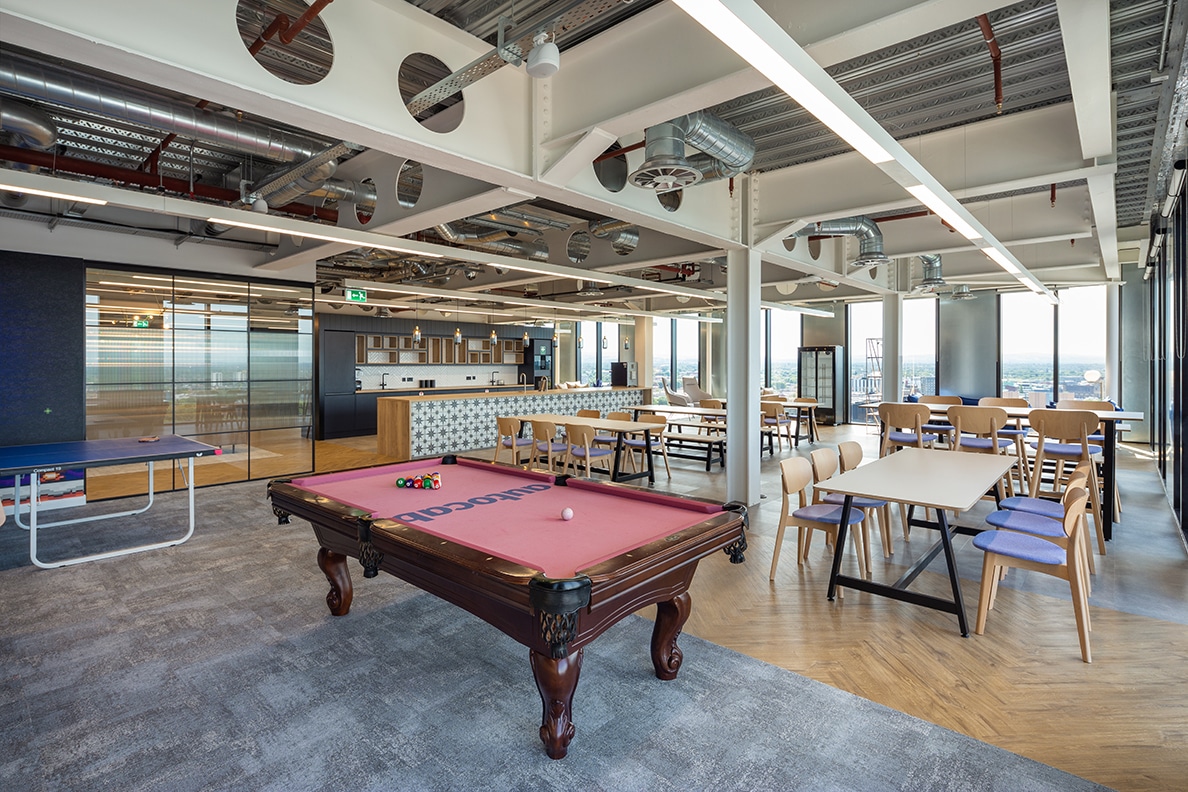
Not every breakout space works. In many offices, social areas are included in the plan but rarely used. Often, this happens because the space has not been designed around real behaviour.
A breakout area may feel too exposed, too far from the main workplace or too close to noisy circulation routes. Alternatively, the furniture may not suit the way people want to use the space. If seating is uncomfortable, lighting is poor or power access is limited, employees may avoid it.
Purpose is also key. A social space should not be expected to do everything without proper planning. Some areas may be better suited to informal meetings. Others may support lunch breaks, quiet downtime or team events. Therefore, each setting needs a clear role.
We always look at how people move through the office, how teams interact and where informal activity naturally happens. This helps shape social spaces that feel integrated, not disconnected.
Designing Social Spaces for Hybrid Working
Hybrid working has changed the purpose of the office. For many businesses, the workplace is now a destination for collaboration, team building and shared experience. Because of this, social spaces need to support more flexible patterns of use.
On quieter days, they may provide relaxed areas for individual work. On busier days, they may become informal meeting points or team hubs. Therefore, flexibility should be built into the design from the start.
Moveable furniture, adaptable seating, integrated power and strong Wi-Fi can make social spaces more useful throughout the day. In addition, nearby screens or writable surfaces can support quick collaboration without the need to book a formal meeting room.
This approach helps businesses get more value from their office. Rather than creating areas that only work at lunch time, social spaces can support a wider range of activities.
Wellbeing and Everyday Workplace Experience
Social spaces also play an important role in wellbeing. People need places to step away from their desks, reset and recharge. Without these areas, the office can feel intense and repetitive.
Comfortable seating, natural materials, planting, daylight and warm lighting can all help create a more calming environment. In addition, access to refreshments and informal settings can make the workplace feel more welcoming.
However, wellbeing is not only about relaxation. It is also about choice. When people can choose where to work, meet, pause or socialise, they feel more supported throughout the day. As a result, the office becomes easier and more enjoyable to use.

Making Social Spaces Work Harder
A well-designed social space should never feel like wasted square footage. Instead, it should support culture, movement, collaboration and wellbeing. It should also adapt as business needs change.
For this reason, social spaces should be considered early in the office fit out process. They need to be part of the wider strategy, not added at the end. When they are planned alongside workstations, meeting rooms, kitchens and circulation routes, the whole office works better.
At ADT Workplace, we create offices that people actively want to use. By designing social spaces with purpose, we help businesses build workplaces that feel connected, practical and engaging.
Social spaces are no longer a nice extra in office fit outs. They are central to how modern workplaces function. They support connection, strengthen culture, improve wellbeing and give people more reasons to use the office.
When planned with care, breakout areas and social settings become the heartbeat of the workplace. They bring energy to the office, support better daily experiences and help businesses create environments that work for their people.Final Thoughts