Introduction
Creating an effective learning environment goes beyond selecting furniture and arranging desks. A well-designed education fit out plays a crucial role in shaping student engagement, concentration, and well-being. Schools, colleges, and universities need adaptable, technology-driven, and inspiring spaces that support diverse learning styles. This article explores the essential aspects of an education fit out and how they contribute to a productive learning environment.
The Core Components of an Effective Education Fit Out
Flexible Learning Spaces
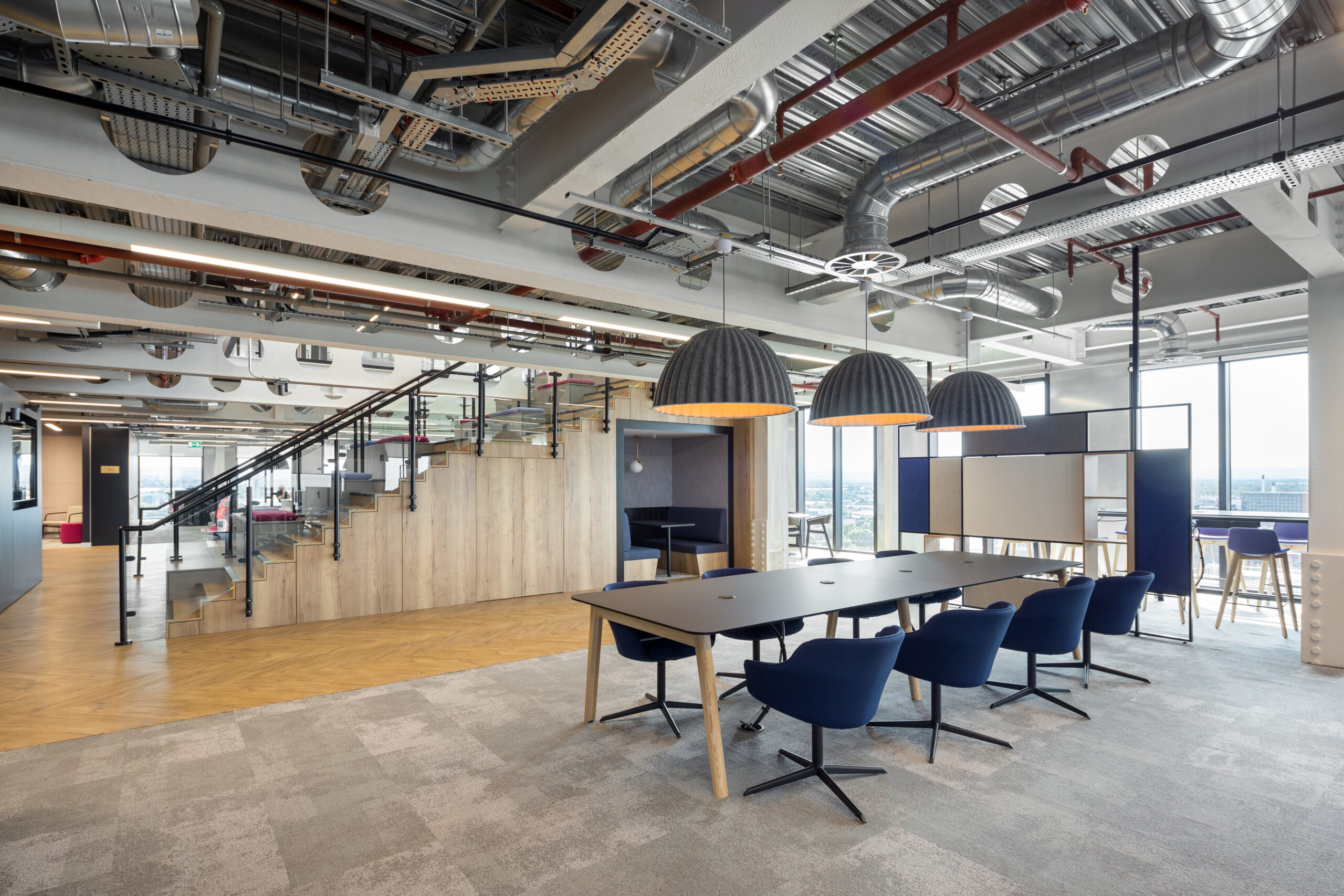
Modern education fit outs prioritise flexibility to support various teaching methods, including group collaboration, independent study, and hands-on learning. Modular furniture, mobile partitions, and multi-use rooms allow institutions to transform spaces according to their needs. The ability to reconfigure classrooms fosters creativity, encourages participation, and supports inclusive learning experiences.
Ergonomic and Comfortable Furniture
Comfort and posture impact student concentration and productivity. Adjustable desks and chairs provide proper support for students of all ages, reducing fatigue and promoting better posture. Ergonomic seating, including sit-stand desks and adaptable workstations, creates a healthier learning environment.
Technology Integration
Education spaces need the latest technology to support digital learning. Interactive whiteboards, smart projectors, and high-speed internet enhance teaching methods. Charging stations and ample power outlets ensure seamless device usage for students and teachers. A well-integrated tech infrastructure increases engagement and prepares students for modern work environments.
Optimised Acoustics
Poor acoustics hinder concentration and communication in classrooms. An effective fit out includes acoustic panels, sound-absorbing materials, and noise reduction solutions for a balanced auditory environment. Quiet zones for focused learning and breakout areas for group discussions help students work efficiently without distractions.

Enhancing the Learning Environment
Natural Light and Ventilation
Natural light improves mood, concentration, and academic performance. Classrooms should maximise daylight with large windows and skylights. Good ventilation enhances air quality, creating a healthier atmosphere. Biophilic elements, like indoor plants and nature-inspired designs, further support student well-being.
Safety and Accessibility
Educational environments must be safe and accessible for all students, including those with disabilities. Wide corridors, ramps, and adjustable workspaces ensure inclusivity. Non-slip flooring, clear signage, and emergency exits enhance safety. Durable, non-toxic materials and fire-resistant furnishings contribute to a secure learning space.
Collaborative and Social Spaces
Modern education fit outs extend beyond classrooms to include social and collaborative areas. Breakout spaces, common rooms, and interactive hubs promote teamwork and communication. These areas encourage informal learning and allow students to exchange ideas, engage in peer learning, and develop interpersonal skills.

Sustainability and Organisation
Sustainable and Eco-Friendly Design
Sustainability is a priority in education fit outs. Schools and universities are adopting eco-friendly practices such as recycled materials, energy-efficient lighting, and water-saving fixtures. BREEAM and SKA-rated designs ensure sustainability standards are met, reducing the institution’s carbon footprint and operating costs. Green buildings create healthier spaces for students and staff.
Storage and Organisation Solutions
Cluttered spaces create distractions. Smart storage solutions, such as built-in shelving, mobile storage units, and lockers, help maintain an organised learning environment. Efficient storage keeps materials accessible and classrooms tidy.
Personalised and Engaging Design
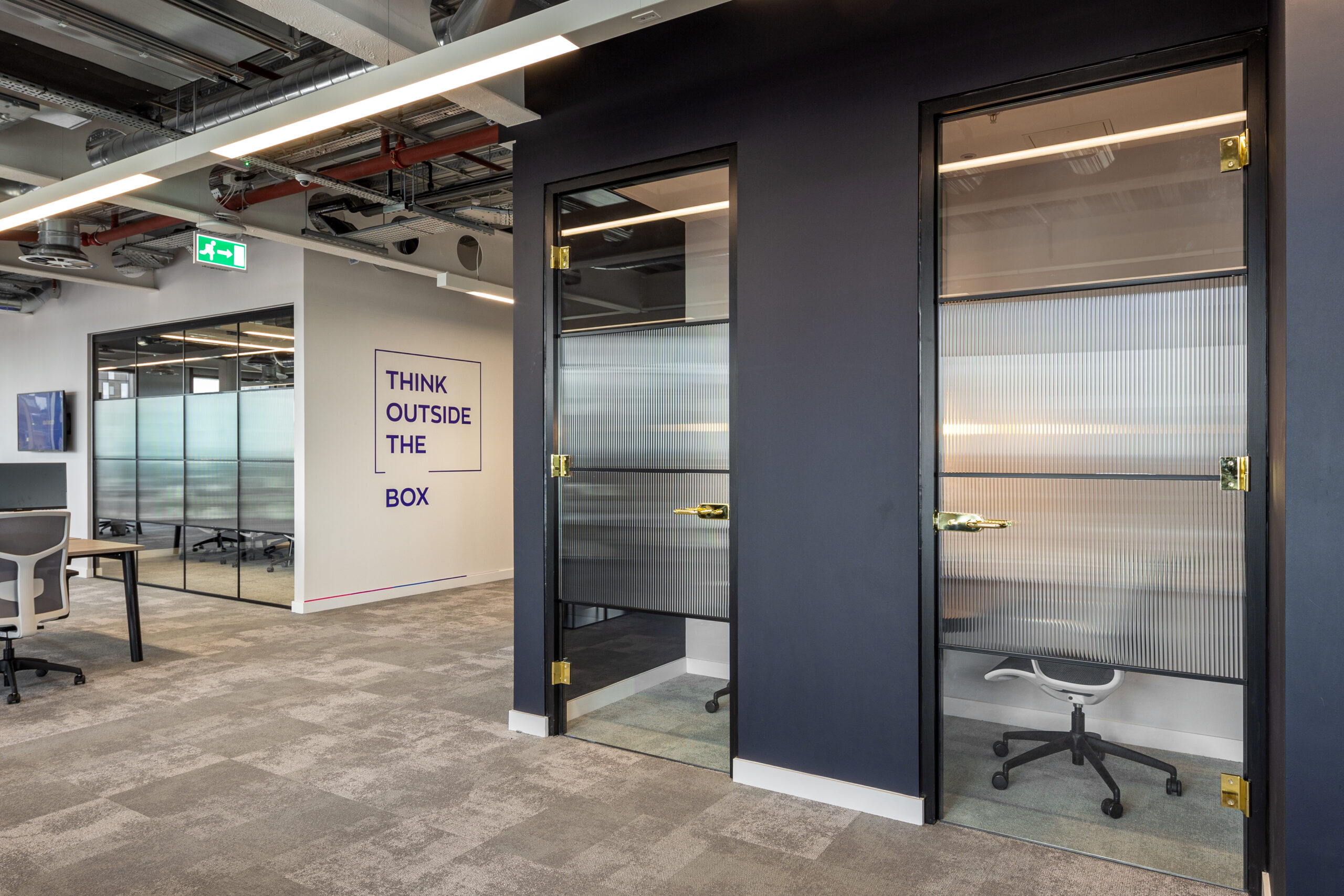
The aesthetics of an education fit out influence student motivation and focus. Colour psychology plays a role in mood and engagement. Blue tones promote concentration, while green enhances relaxation and creativity. Custom branding, wall graphics, and student-friendly layouts create an inspiring environment reflecting the institution’s identity and values.
Conclusion
A well-planned education fit out fosters effective learning experiences. By integrating flexibility, ergonomic design, technology, acoustics, sustainability, and safety, institutions can create spaces that inspire students and improve academic performance.
ADT Workplace has extensive experience in delivering high-quality education fit outs tailored to modern learning needs. Our team has transformed educational environments for institutions such as the University of Bolton, University of Chester Warrington Campus, and Liverpool John Moores University. Our expertise ensures that students and educators benefit from functional and inspiring learning environments.