Social value in construction refers to the wider benefits that a project, contractor, or business creates beyond its immediate commercial purpose. Where traditional procurement focused almost entirely on cost and quality, social value asks a broader question: what positive impact does this work create for people, communities, and the environment?
For businesses commissioning an office fit out, social value is increasingly relevant. Clients with their own environmental, social, and governance commitments are looking more carefully at the contractors they appoint and the contribution those contractors make beyond the scope of the project itself.
The Legislative Backdrop
Social value has been a formal requirement in UK public sector procurement since the Public Services (Social Value) Act 2012. The Act requires public bodies to consider how contracts can improve economic, social, and environmental wellbeing when commissioning services.
The Procurement Act 2023, which came into force in February 2024, extended and strengthened these requirements. Social value is now a more explicit and weighted factor in how public contracts are assessed, and the expectation is increasingly filtering through to private sector clients who want their supply chain to reflect the same standards.
Even for businesses outside the public sector, social value has become a meaningful differentiator. Boards, investors, and employees are paying closer attention to how companies spend their money and who they choose to work with.
What Social Value Looks Like in a Fit-Out Context
Social value in a construction or fit-out project is not a single metric. It covers a range of activities and commitments that, taken together, reflect how a contractor operates and what it contributes to the world around it.
Employment and skills are typically central. A contractor that recruits locally, offers apprenticeships, provides work experience, and invests in workforce development is creating direct economic and social benefit in the communities where it operates. These commitments matter particularly in construction, where skilled labour is in demand and where the industry has an opportunity to open pathways for people who might not otherwise enter it.
Supply chain practices are equally important. A contractor that monitors its subcontractors for fair pay, safe working conditions, and ethical labour standards is extending its social value commitment beyond its own employees. Conversely, a contractor that simply passes cost pressure down the chain undermines the value the client is trying to create.
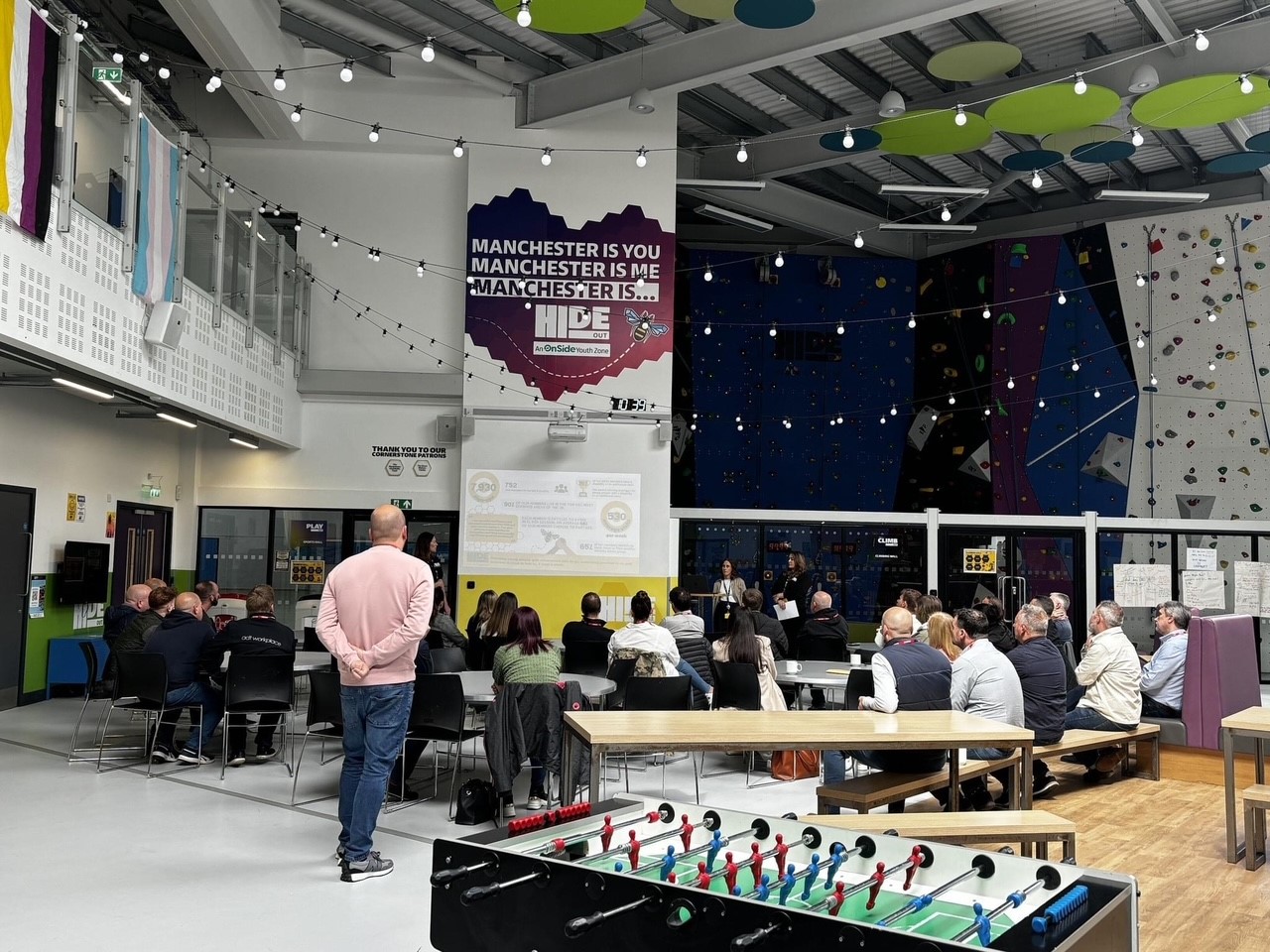
Community engagement captures the activities a business undertakes beyond its immediate commercial operation. Volunteering, fundraising, charity partnerships, school outreach, and support for local causes all contribute to the social fabric of the communities a business operates within.
Environmental contribution is also part of the picture. Reducing carbon, minimising waste, choosing sustainable materials, and considering the long-term impact of the built environment all represent social value in a broader sense.
How Social Value Is Measured
The most widely used framework for measuring social value in the UK is the TOMs (Themes, Outcomes, Measures) system, administered through the Social Value Portal. TOMs organises social value commitments into five themes: Jobs and Growth, Stronger Communities, Healthier Nation, Decarbonisation, and Innovation. Each theme contains specific outcomes and associated financial proxies that allow organisations to quantify and compare the social value created by different contractors.
Not every client uses a formal framework, and smaller fit-out projects may not require detailed social value reporting. But understanding how social value is structured helps clients ask better questions and helps contractors demonstrate the contribution they are already making.
Why It Matters When Choosing a Fit-Out Contractor
For many clients, social value is now part of the procurement conversation rather than an afterthought. When selecting a fit-out contractor, it is worth asking how they invest in their people, what their supply chain standards look like, how they engage with the communities they work in, and whether they can provide any evidence of the social value they create.
A contractor with genuine commitments in these areas is likely to be a more responsible partner in other respects too. The values that drive a business to invest in apprenticeships, pay the Living Wage, and support community causes tend to be the same values that drive quality, accountability, and honest client relationships.

Social Value at ADT Workplace
At ADT Workplace, our commitment to social value is built around four areas: our people, our planet, the workplaces we create, and the communities we work within. From volunteering and charity partnerships to apprenticeships, school outreach, and Living Wage accreditation, we aim to create positive impact that extends beyond the projects we deliver.
If social value is part of how your organisation evaluates its suppliers, we would be glad to discuss our approach and how it might contribute to your own commitments.