It is estimated that around 15% of the UK population is neurodivergent. That figure includes people with autism, ADHD, dyslexia, dyspraxia, and a range of other conditions that affect how the brain processes information. In a business of twenty people, that is likely to mean three or four individuals whose experience of the office is significantly shaped by the physical environment around them.
The office can either create unnecessary barriers for neurodivergent employees or remove them. Good design cannot substitute for a supportive culture, but it can make a material difference to how comfortable, productive, and included people feel at work. And the changes required to design for neurodiversity tend to improve the workplace for everyone, not just those who are neurodivergent.
What Neurodiversity Means in a Workplace Context
Neurodiversity is an umbrella term for the natural variation in how human brains function. People who are neurodivergent process information, respond to sensory input, and interact with their environment in ways that differ from what is considered typical. This covers a broad range of conditions including autism spectrum disorder, ADHD, dyslexia, dyspraxia, and Tourette syndrome.
It is important to distinguish neurodiversity from personality type. Introversion, extroversion, and similar traits are not the same as being neurodivergent. Neurodivergent employees are not simply people who prefer quiet or dislike open plan offices, though the design principles that support them often benefit those people too. The distinction matters because the needs of neurodivergent employees may be more significant and more specific than those of the general workforce.
Why the Traditional Office Creates Challenges
The standard open plan office was not designed with neurodiversity in mind. Fluorescent lighting, unpredictable ambient noise, visually busy environments, lack of private space, and the social demands of hot-desking can all create a significant burden for neurodivergent employees — one that their neurotypical colleagues may not notice or understand.
For someone with heightened sensory sensitivity, a noisy open plan floor is not merely annoying — it can make sustained concentration impossible. For an employee with ADHD, an environment full of visual distractions can make it harder to manage focus and time. For an autistic employee, unclear layout, inconsistent wayfinding, or unpredictable changes to the workspace can generate real anxiety.
These challenges do not reflect a lack of capability. They reflect a mismatch between the environment and how that person’s brain works. Thoughtful design can close that gap considerably.

Design Principles for a Neurodiverse Office
Designing for neurodiversity does not require specialist spaces that mark people out as different. It requires a wider range of settings, greater control over sensory conditions, and more intuitive layouts — all of which make the office a better place to work for everyone.
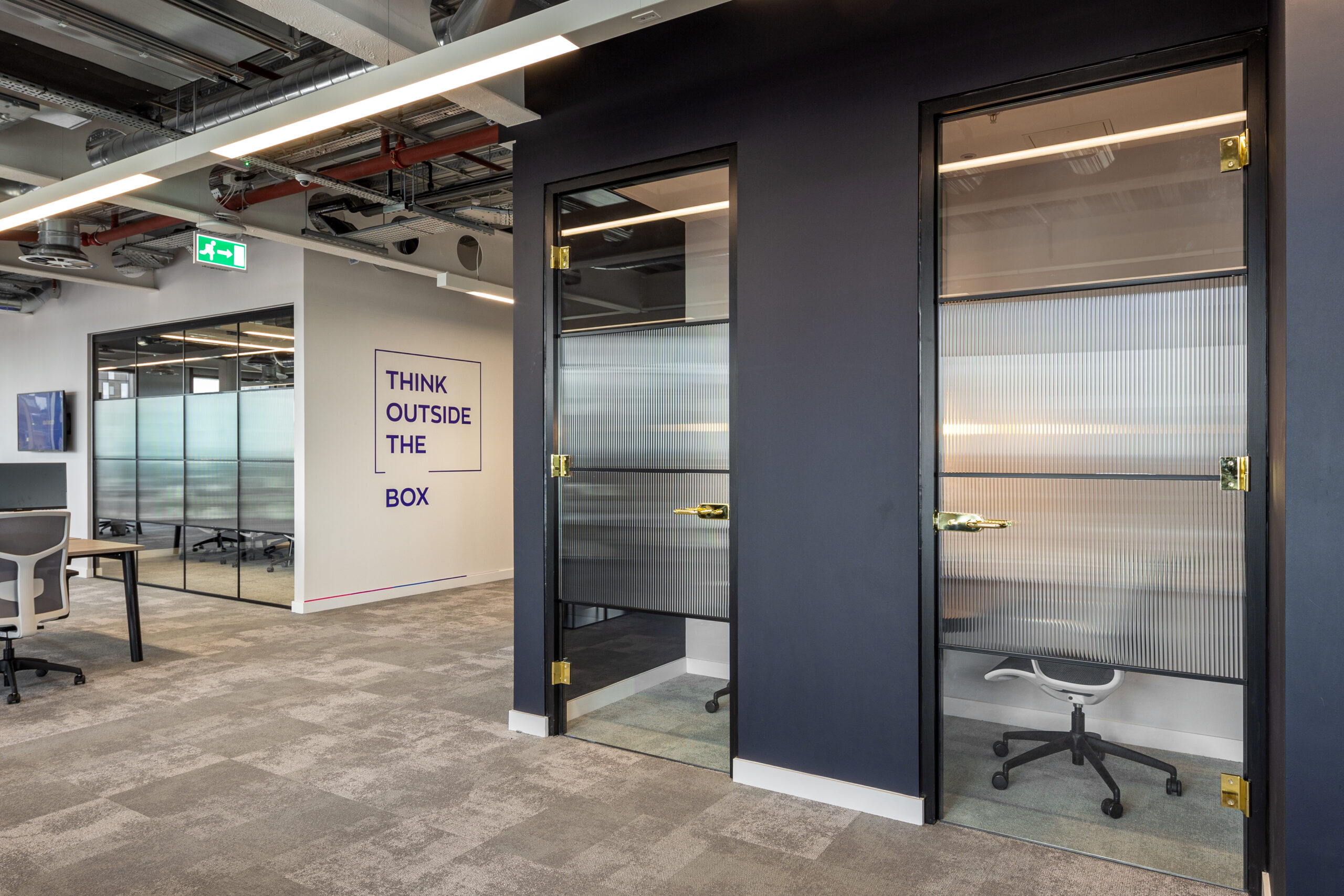
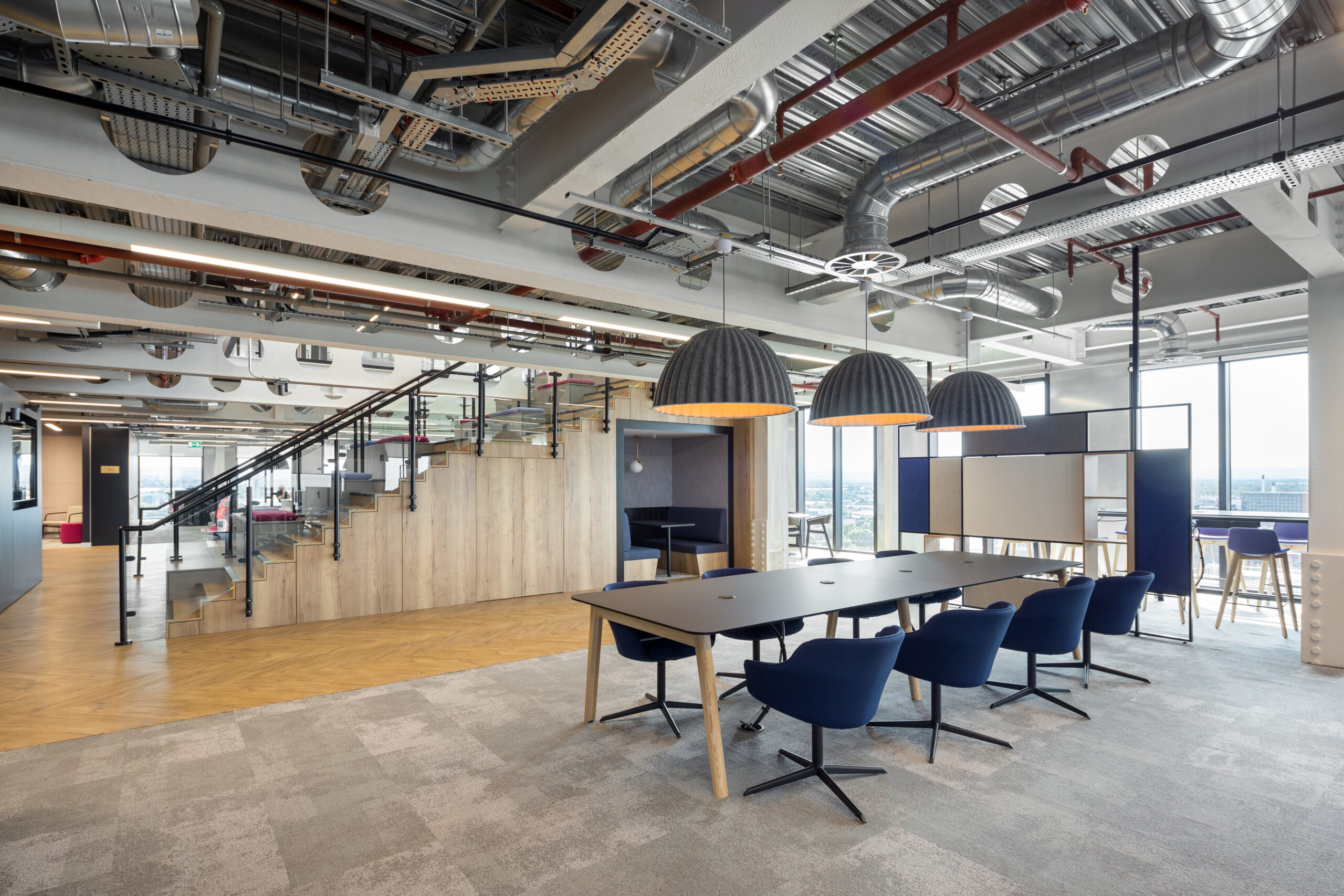
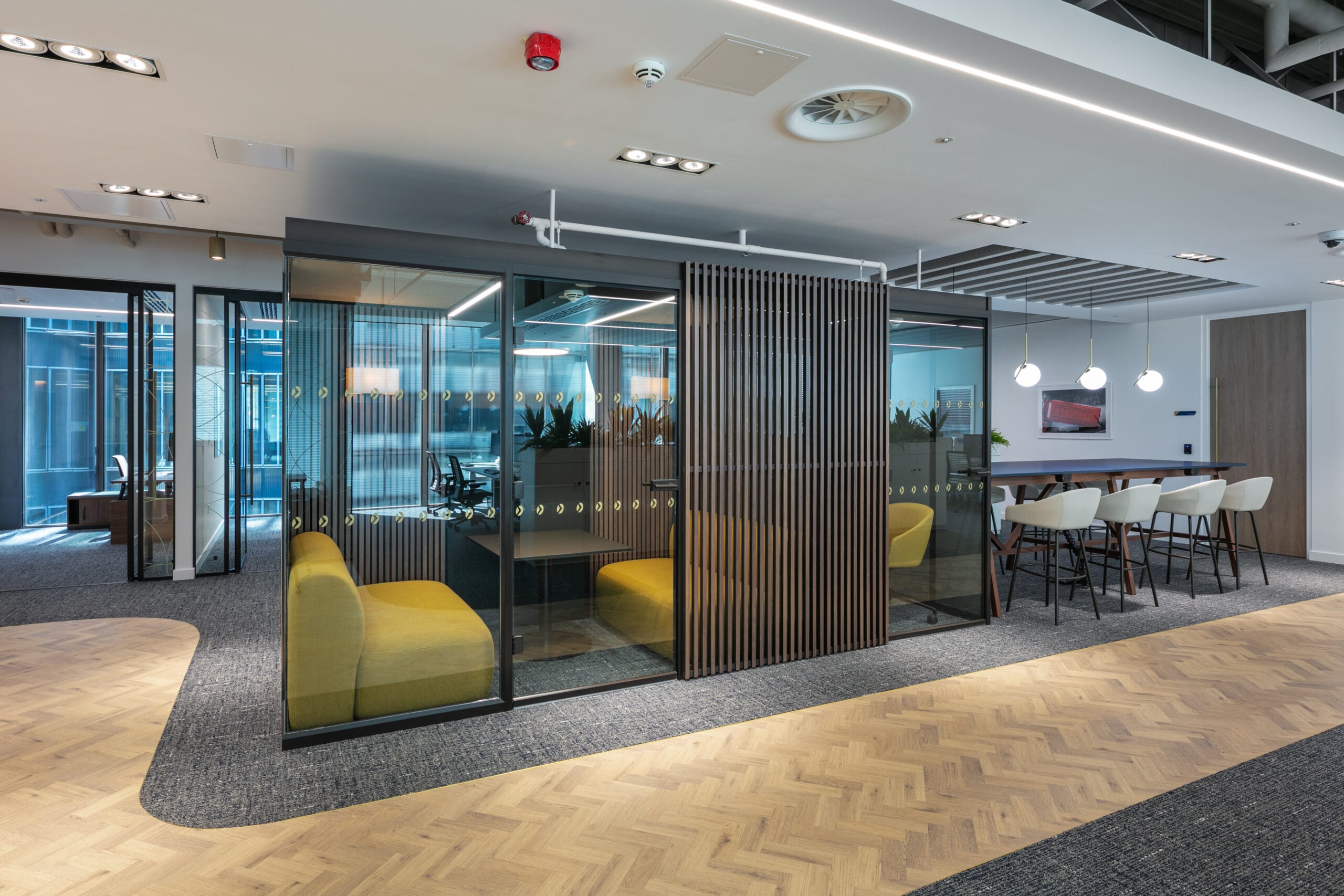
Acoustic design is one of the most significant considerations. Unpredictable noise is one of the most common triggers of sensory overload for neurodivergent employees. Dedicated quiet zones with genuine acoustic separation, individual booths, and soft furnishings that absorb rather than reflect sound all contribute to an environment where people have a genuine choice about their noise exposure. Positioning collaborative areas away from focus zones, rather than leaving them to bleed into each other, makes a practical difference.
Lighting deserves equal attention. Harsh fluorescent lighting is a known source of discomfort for many neurodivergent people, particularly those on the autism spectrum. Natural light should be maximised where possible, and artificial lighting should be adjustable — both in intensity and colour temperature. Giving individuals control over their immediate lighting environment removes a source of stress that is easily avoidable.
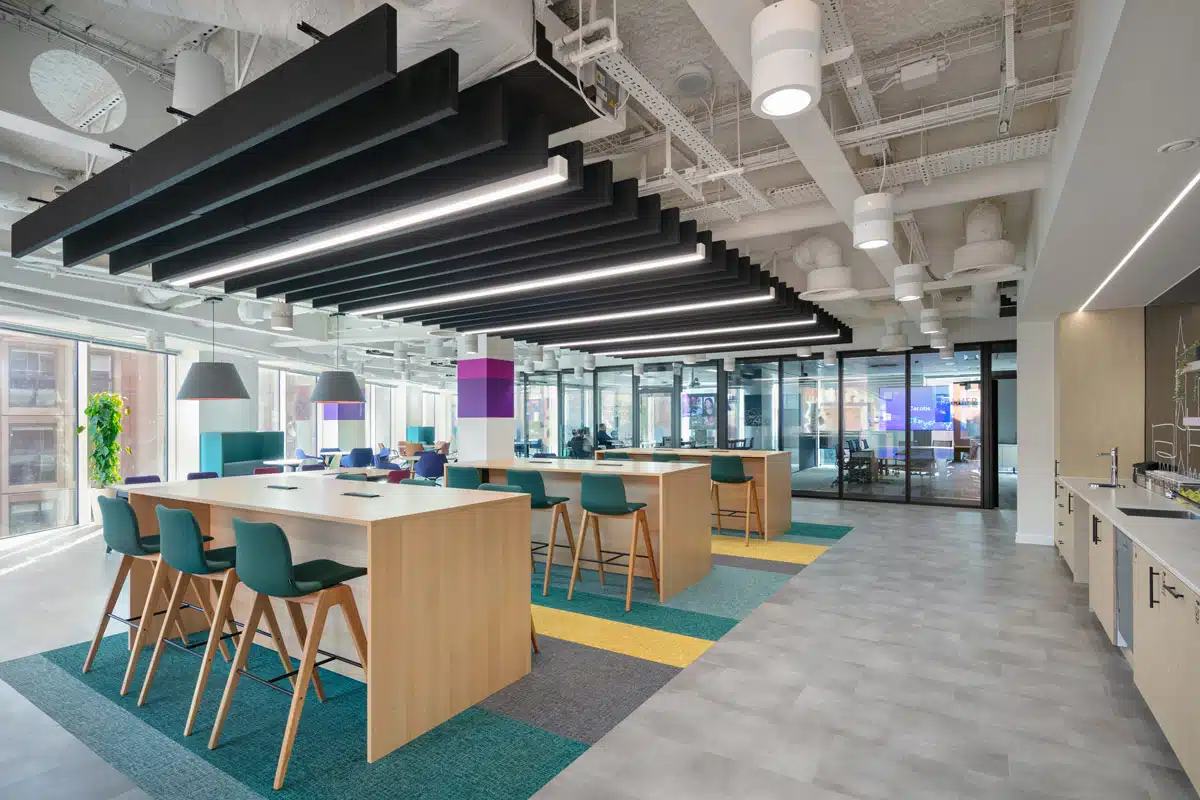
Colour and visual complexity affect how stimulating or calming a space feels. Neutral, muted palettes in work areas reduce visual noise without creating a sterile environment. Stronger colour and more visual interest can be reserved for social and collaborative zones, where higher stimulation is more appropriate. The principle is to give people environments that match the cognitive demand of what they are doing there.
Wayfinding and spatial legibility matter more than many designers acknowledge. A layout that is easy to read and navigate reduces the cognitive load of simply moving through the office. Clear signage, consistent zones, and logical spatial organisation reduce the anxiety that can come from an unfamiliar or unpredictable environment. This is particularly relevant for autistic employees, for whom routine and predictability can be important.
Furniture flexibility allows people to adapt their immediate environment to their needs. Height-adjustable desks support employees who benefit from movement, and seating options that vary in posture and enclosure give people more agency over how they work. Access to noise-cancelling headphones, fidget tools, or other sensory aids can also make a meaningful difference and costs relatively little to provide.
Understanding Your Team Before You Design
The most effective approach to designing for neurodiversity starts before any spatial decisions are made. A layout built on assumptions about what employees need will always be less effective than one built on evidence.
Workplace consultancy gives businesses the data and insight to make informed decisions. Understanding how different teams work, what their day-to-day experience of the office is, and what specific challenges they face allows the design brief to reflect real needs rather than generic best practice. Some employees may be comfortable disclosing neurodivergent conditions; others may not. A good consultancy process creates the space for people to share what works and what does not without requiring disclosure.
This kind of intelligence is valuable beyond neurodiversity too. The same process that surfaces the needs of neurodivergent employees will reveal how the broader workforce experiences the office, where the current design falls short, and what changes would have the greatest impact on performance and wellbeing.
Good Neurodiversity Design Benefits Everyone
There is a concept in architecture called universal design — the idea that spaces designed to be accessible and comfortable for people with the greatest needs tend to work better for everyone. The same principle applies to neurodiversity in the office.
Quiet zones that support an employee with sensory sensitivity also give any member of the team somewhere to concentrate without distraction. Adjustable lighting that helps an autistic employee feel less overwhelmed also reduces eye strain for the wider team. Clear wayfinding that reduces anxiety for a neurodivergent employee makes the building easier to use for everyone who visits. Acoustic design that prevents sensory overload simply means a less noisy office for all.
Designing for neurodiversity is not a niche consideration. It is a way of raising the quality of the workplace as a whole — one that benefits the organisation as well as the individuals within it. If you are planning a fit out or refurbishment and want to ensure your new space works for your whole team, we would be glad to help you think it through from the start.