In an employee-owned business, the company is held in trust for the people who work there. Rather than ownership sitting with external shareholders or a single founder, employees have a collective stake in the business and a genuine share in its success. It is a model that has grown significantly in the UK over the past decade, and one that shapes how businesses operate, how decisions are made, and how people feel about the work they do.
ADT Workplace is an employee-owned business. That fact influences how we run the company, how we invest in our people, and the quality and accountability we bring to every project we deliver. Understanding what employee ownership means is also useful context for anyone choosing a commercial fit-out partner.
How Employee Ownership Works
The most common form of employee ownership in the UK is the Employee Ownership Trust, or EOT. Under this model, a controlling interest in the company is transferred to a trust, which holds the shares on behalf of the employees. The employees become the beneficial owners of the business without holding individual shares directly.
The structure was given a significant boost by the 2014 Finance Act, which introduced tax incentives for business owners transferring control to an EOT. Since then, the number of employee-owned businesses in the UK has grown substantially, reaching over 1,500 EOTs by 2024.
This is distinct from employee share schemes, where individual employees purchase or are awarded shares in a traditionally owned company. It is also different from a workers’ cooperative, where employees own and manage the business directly. The EOT sits between these models: employees benefit from ownership collectively, while the day-to-day structure of a business can remain broadly unchanged.
What Changes Under Employee Ownership
The practical effect of employee ownership depends on how each business implements it, but there are some consistent themes. Profits that would otherwise flow to external shareholders are typically shared with employees in the form of tax-free bonuses. Employees generally have a greater voice in how the business is run, through representative bodies, forums, or direct consultation processes.
Perhaps most significantly, the culture tends to shift. When people have a genuine stake in the outcome, they tend to behave more like owners. They take more care with the work, invest more in client relationships, and think more carefully about the long-term health of the business rather than short-term metrics. Staff retention is often higher in employee-owned businesses, which creates continuity and deeper institutional knowledge.
Employee Ownership and Business Standards
Employee-owned businesses are more likely to hold accreditations and adopt standards that reflect a genuine commitment to their people. Living Wage accreditation, mental health support programmes, structured apprenticeship pathways, and investment in professional development tend to be more common in businesses where the workforce has a direct stake in how the company is run.
This is not coincidental. When employees are the beneficiaries of the business, the business has a stronger incentive to ensure those employees are healthy, skilled, fairly paid, and able to progress. The alignment of interests between employer and employee is more direct under an employee ownership model than under conventional ownership structures.
Why It Matters When Choosing a Fit-Out Contractor
When businesses commission a commercial office fit out, they are entering into a relationship that runs for months and involves significant investment. The quality of that experience depends heavily on the people delivering it — designers, project managers, site teams, and the supply chain behind them.
Employee-owned businesses tend to deliver that experience differently. Lower staff turnover means the team working on your project at the start is more likely to still be there at the end. People who feel ownership over their work are more likely to raise issues proactively, take pride in the finish, and go beyond the minimum required. The motivation is intrinsic rather than purely transactional.
Employee ownership also tends to correlate with stronger ethical practices across the supply chain. A business that invests genuinely in the wellbeing and development of its own people is more likely to apply those same standards to the subcontractors and suppliers it works with. For clients with their own ESG commitments, choosing an employee-owned contractor can contribute meaningfully to their social value reporting.
Employee Ownership at ADT Workplace
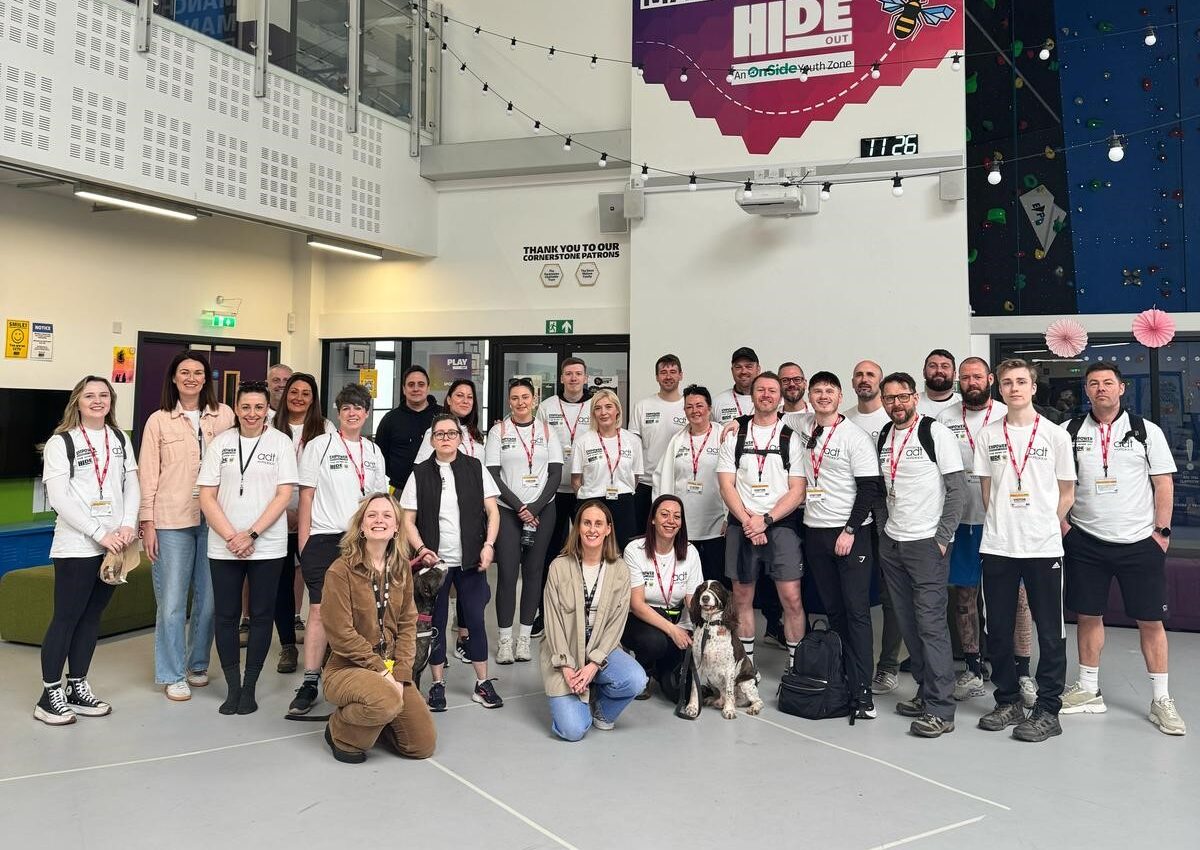
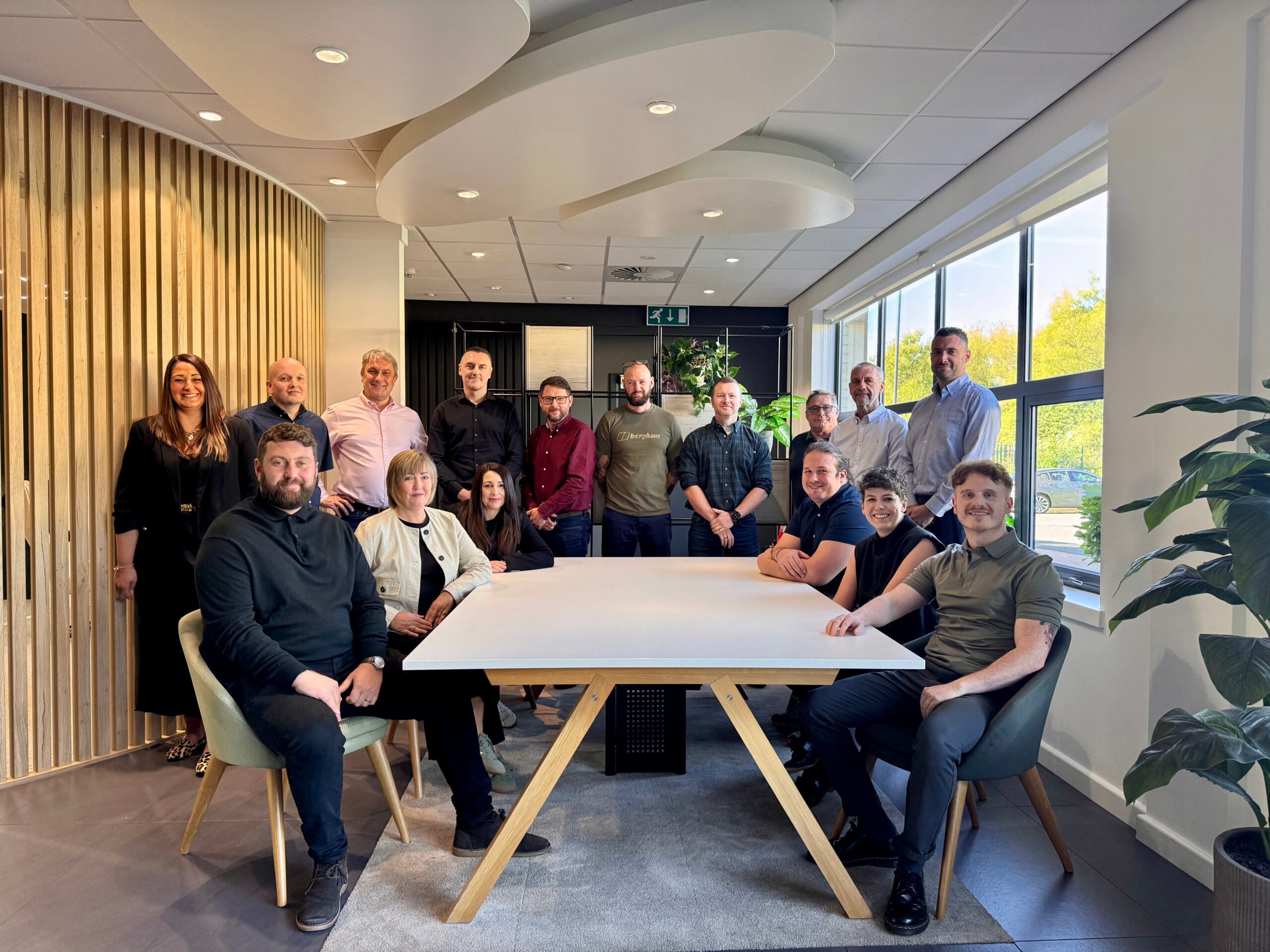
As an employee-owned business, ADT Workplace is run for the long-term benefit of the people who work here. That shapes everything from how we invest in training and wellbeing to how we approach each client project. Our people have a stake in the reputation we build and the quality we deliver, which means their interests are aligned with yours as a client.
If you are planning a fit out and want to understand more about our approach, our team would be glad to talk it through. You can also read more about how we support and invest in our people through our ADT Impact pages.