The way people use the office has changed. For many employees, the office is no longer the default place to work every day. Instead, it has to offer something that home working cannot always provide.
That is why businesses are now asking a much more important question. What makes an office worth commuting to?
The answer is not just about location, desks or meeting rooms. A successful workplace needs to support connection, collaboration, culture and wellbeing. It should give people a clear reason to make the journey, because the experience adds value to their working day.
As a result, office fit out design now plays a much bigger role in employee engagement. When a workplace is planned around how people behave, it can become a destination rather than just a place to sit with a laptop.
Why Offices Need to Offer More Than Desks
For many teams, focused work can happen at home. Therefore, asking people to commute into an office that only offers a desk and a chair can feel difficult to justify.
Older office layouts often fail for this reason. They may have too many fixed workstations, limited breakout areas and meeting rooms that do not support modern hybrid working. In addition, they can feel disconnected from the culture of the business.
A worthwhile office gives employees access to spaces, tools and experiences that improve their day. This might include better collaboration areas, comfortable social spaces, quiet rooms, high-quality technology and settings that support informal learning.
In short, the office needs to do something useful.
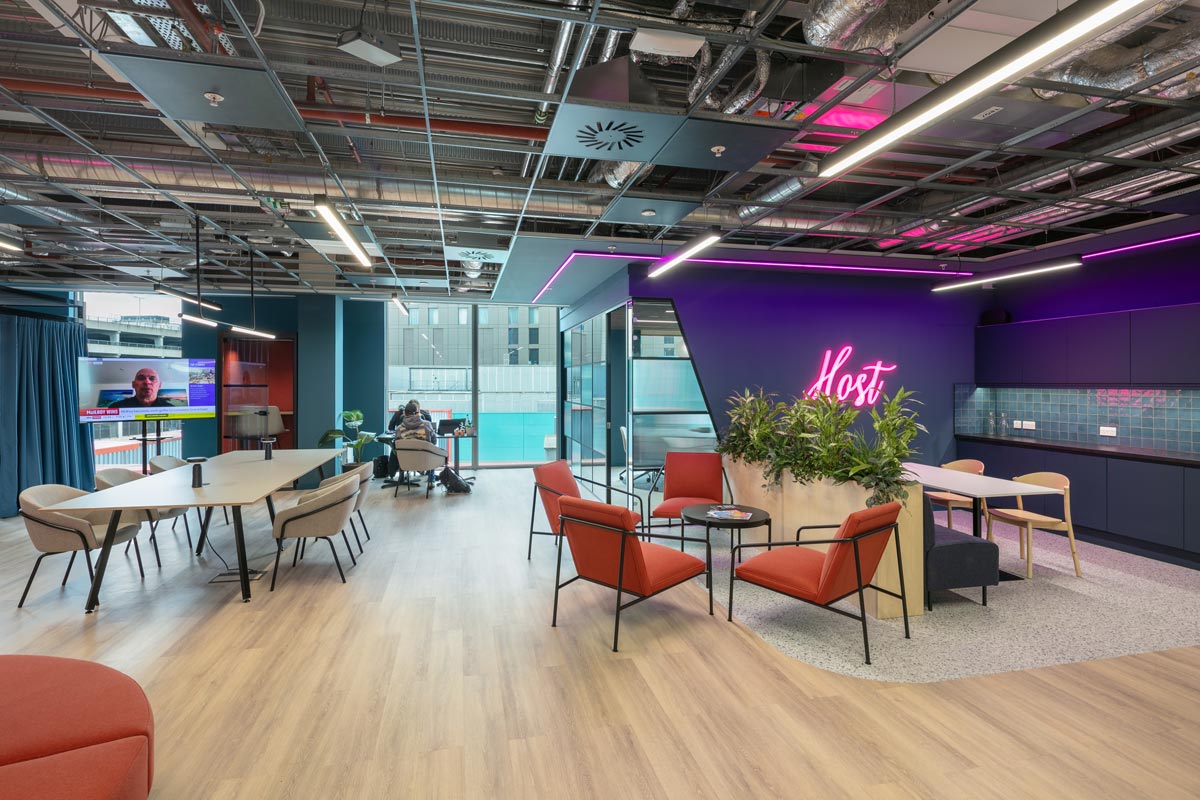
Creating a Workplace Experience People Value
- Welcoming arrival areas that set the right tone
- Social spaces that encourage natural interaction
- Collaboration zones for workshops and project work
- Quiet areas for focused tasks and confidential calls
- Flexible meeting rooms with reliable technology
- Comfortable breakout spaces for informal conversations
- Design features that reflect brand, culture and identity
The Role of Social and Breakout Spaces
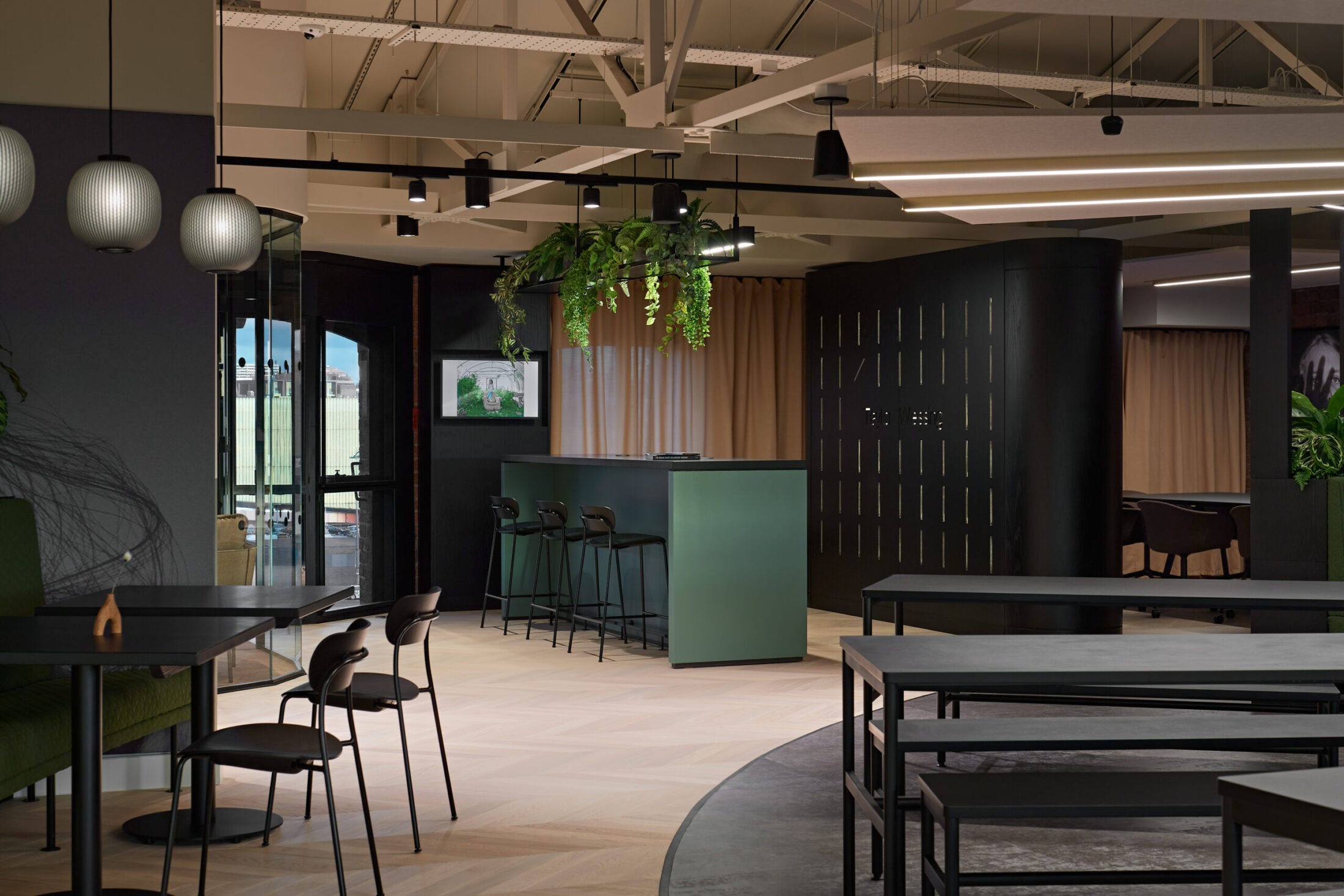
Social spaces are often one of the biggest reasons people choose to visit the office. While they may seem informal, they play an important role in building stronger teams.
A good breakout space can support quick conversations, informal catch-ups and relaxed collaboration. It can also help new starters feel more connected to the business. Over time, these moments can strengthen culture in a way that remote working cannot always recreate.
However, these areas need to be designed carefully. A few sofas in a corner will not always be enough. The space should feel considered, comfortable and easy to use.
For example, tea points, lounge areas and café-style settings can encourage people to pause and connect. When these spaces are placed well, they create movement and energy across the workplace.
Collaboration Needs the Right Setting
Many businesses want employees in the office for collaboration. However, collaboration does not happen effectively just because people are in the same building.
The workplace must support different types of group work. Some teams may need project rooms for longer workshops. Others may need quick touchdown spaces, presentation areas or video-enabled rooms for hybrid meetings.
Therefore, the design should reflect how teams actually work. It should consider noise, privacy, visibility, technology and access to resources.
When collaboration spaces are designed well, the office becomes more productive. Teams can make decisions faster, share ideas more easily and build stronger working relationships.
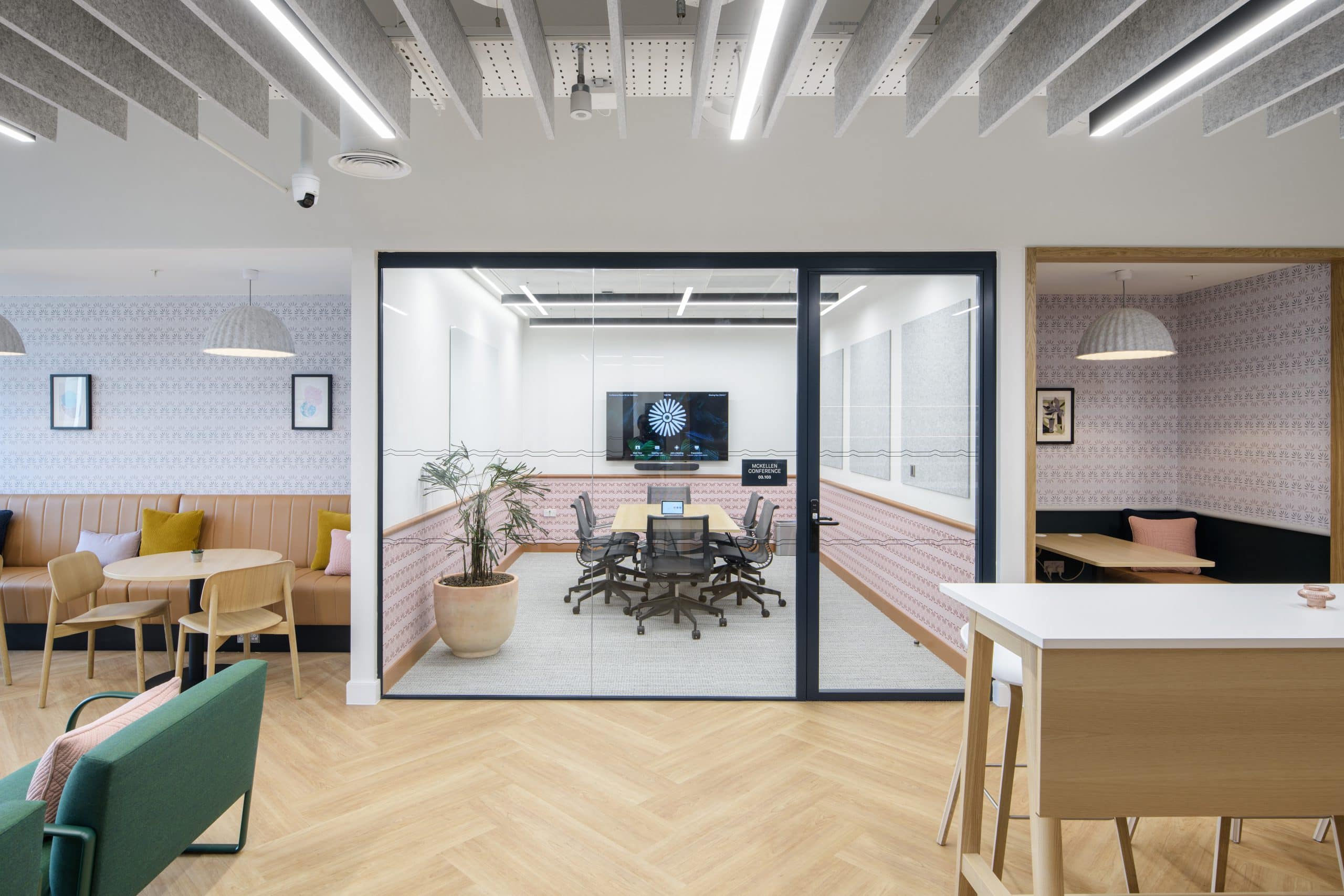
Comfort, Wellbeing and Focus Still Matter
Although the office should support connection, it must also support concentration. Employees need places where they can focus without constant noise or interruption.
This is especially important in hybrid workplaces. If someone travels into the office for a specific task, the environment should help them complete it well.
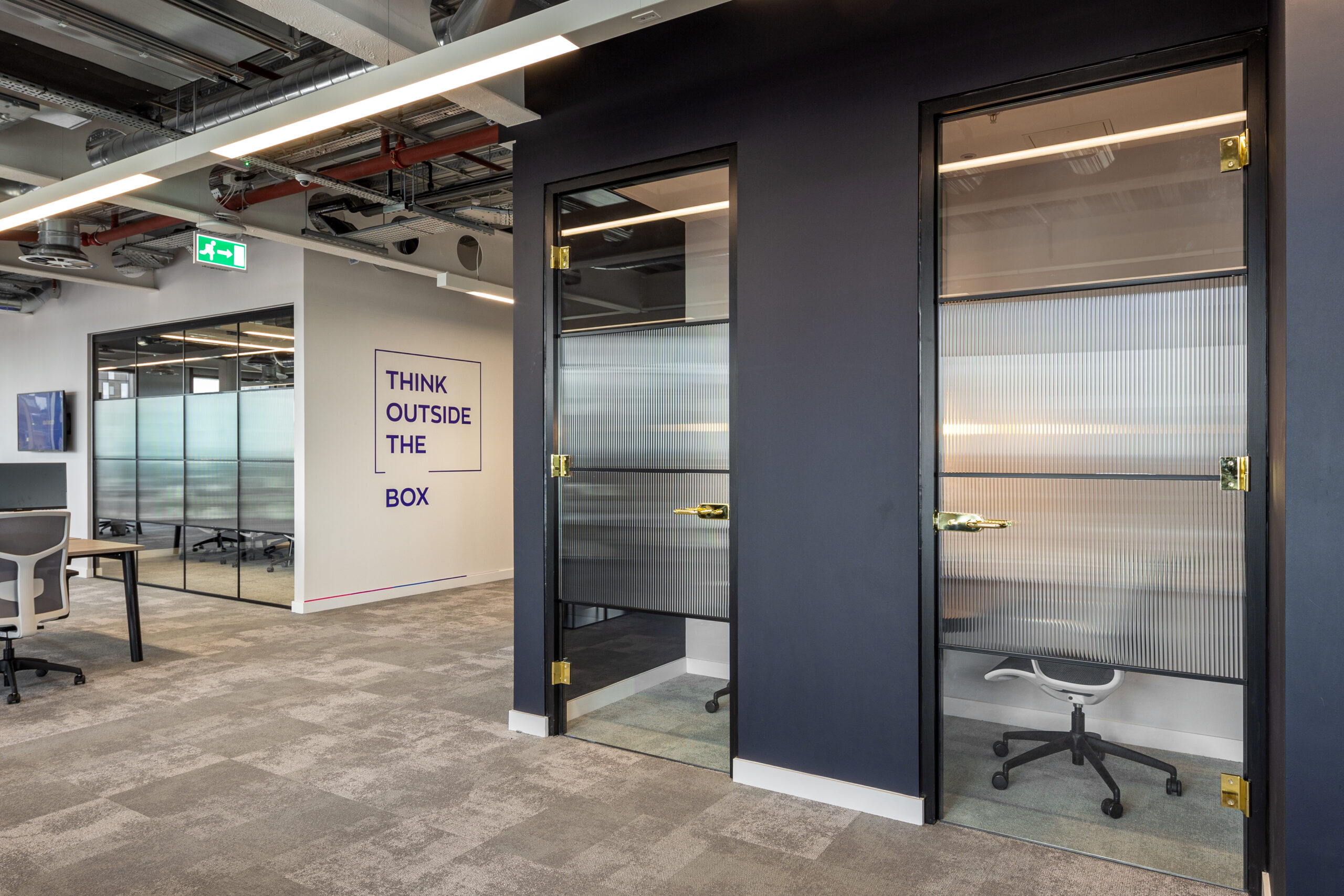
Quiet zones, focus booths, acoustic treatments and calm settings can make a big difference. In addition, natural light, ventilation, ergonomic furniture and biophilic design can all support wellbeing.
A comfortable office also shows that the business values its people. That matters, because the quality of the workplace can influence how employees feel about their employer.
Technology Should Make the Office Easier to Use
Workplace technology is now central to the office experience. However, it should make the working day simpler, not more complicated.
Employees expect meeting rooms to work properly. They also expect smooth video calls, easy room booking and flexible spaces that support both in-person and remote colleagues.
When technology is unreliable, it can quickly reduce confidence in the office. On the other hand, well-integrated systems can make the workplace feel efficient and professional.
This is why technology should be considered early in the office fit out process. It should not be treated as an afterthought.
Brand and Culture Should Be Built Into the Space
An office worth commuting to should feel connected to the business it represents. This does not mean covering every wall with logos. Instead, it means creating a workplace that reflects the company’s values, personality and way of working.
Materials, colours, finishes, signage and layout can all help communicate identity. So can the balance between formal, informal, social and focused settings.
For clients and visitors, this creates a strong impression. For employees, it can help build pride and belonging. When the office feels distinctive, people are more likely to see it as part of the company culture rather than just a functional workspace.
Making the Commute Feel Worthwhile
A commute will always require time and effort. Therefore, the office needs to reward that effort with a better experience.
This starts with workplace strategy. Before design decisions are made, it is important to understand how people work, what they need from the office and what currently stops them using it well.
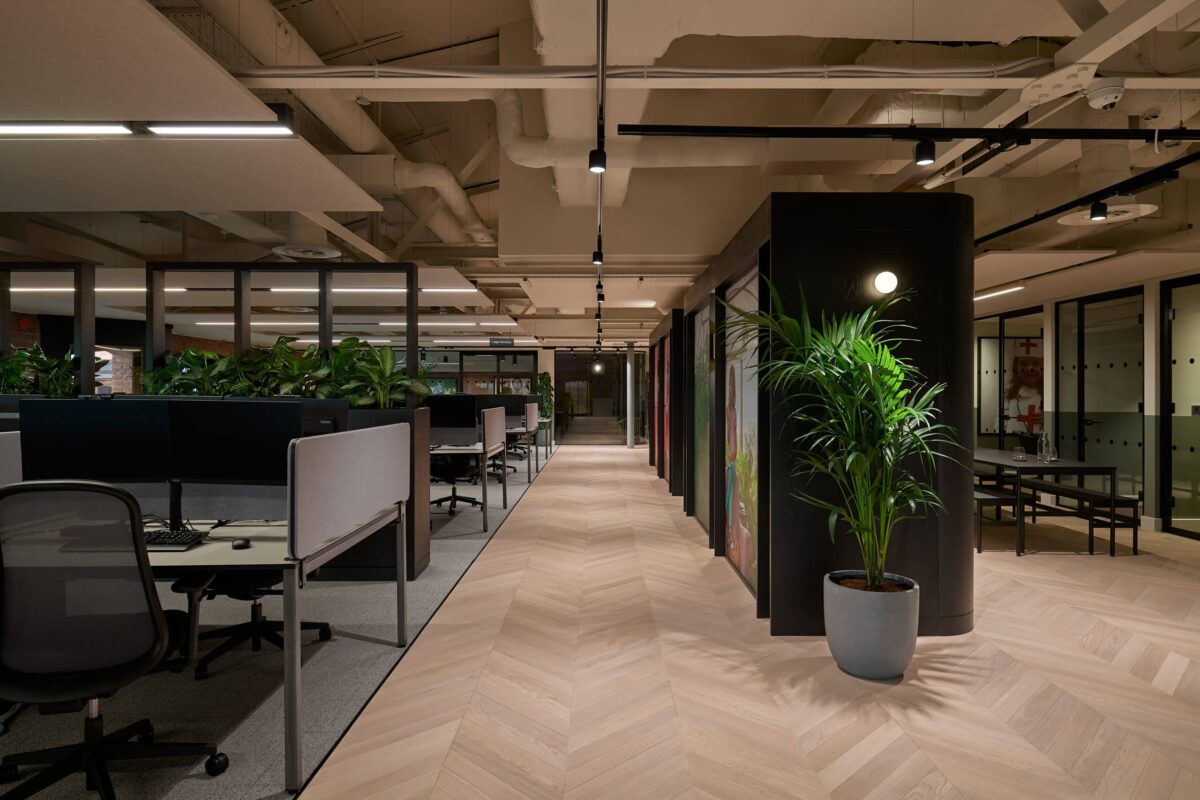
From there, the fit out can create a workplace that supports real behaviour. That may mean fewer fixed desks and more collaboration settings. It may mean better social spaces, improved acoustics or more flexible meeting rooms. It may also mean rethinking how the office supports culture, learning and wellbeing.
Ultimately, people are more likely to commute when the office helps them do something better than they could do elsewhere.
The office is no longer just a place employees are expected to attend. It is a workplace experience that needs to earn its role in the working week.
By creating spaces that support collaboration, focus, comfort, culture and connection, businesses can make the office more valuable to their teams. In turn, this can improve engagement, strengthen relationships and support a more purposeful approach to hybrid working.
At ADT Workplace, we help businesses create offices that people choose to use. Through workplace consultancy, design and fit out delivery, we shape environments that support how teams work today and how they need to work in the future.Designing Offices People Choose to Use