When a business takes on a new office space, a Cat B fit out is almost always the final and most important stage of making it ready to work in. It is the process that transforms a blank commercial shell into a fully functional, branded workplace that reflects who you are and how your team operates.
The term Cat B is widely used across commercial property and construction, but it can mean different things to different people. In this guide, we cover exactly what a Cat B fit out includes, how it differs from Cat A, what it typically costs, and how long it takes, so you can plan your project with confidence.
What Is a Cat B Fit Out?
A Cat B fit out is the second major phase of transforming a commercial office space. Where a Cat A fit out provides the basic building infrastructure, including raised floors, suspended ceilings, HVAC, and electrical services, a Cat B fit out takes that blank canvas and builds it into a workspace tailored to the needs of a specific occupier.
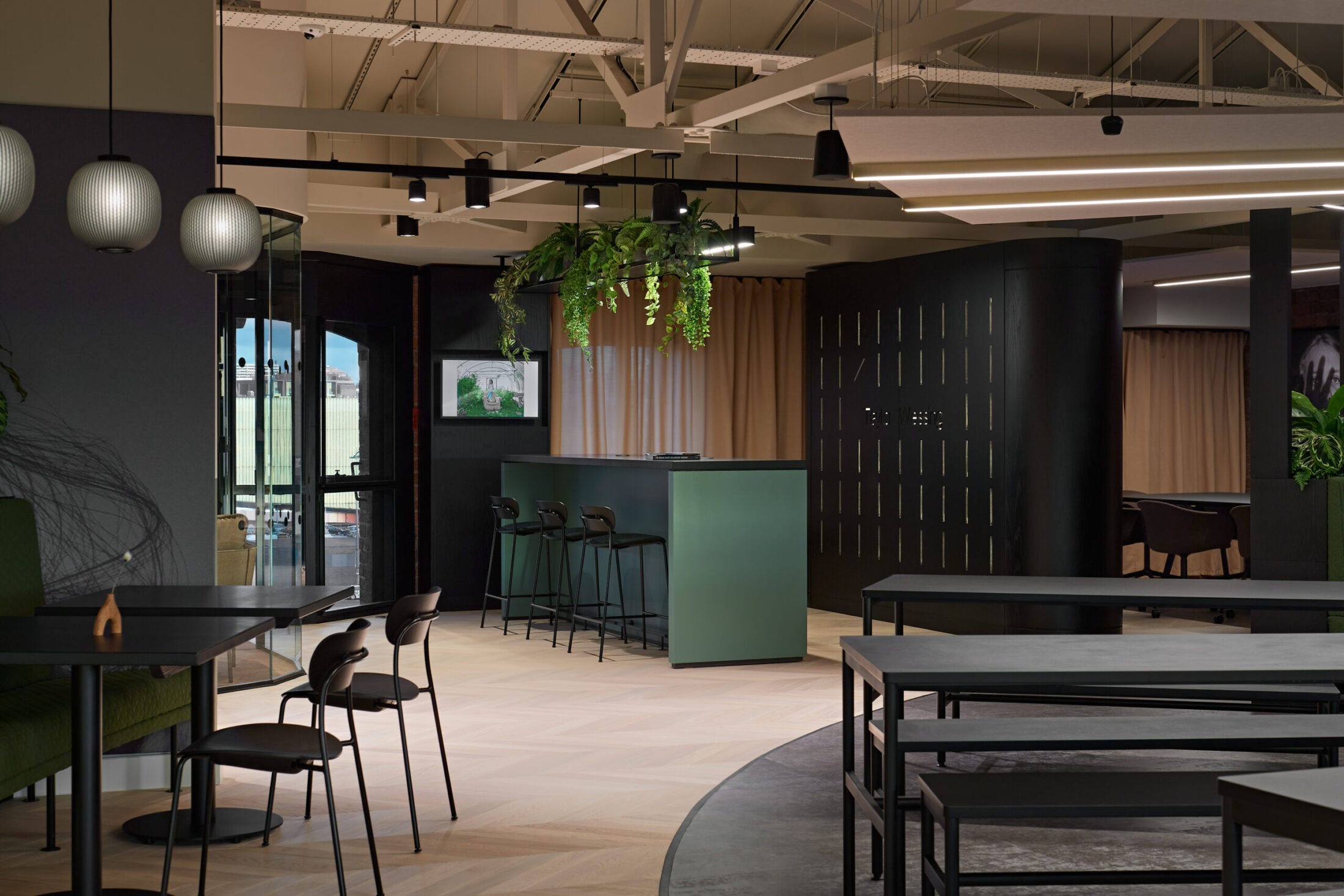
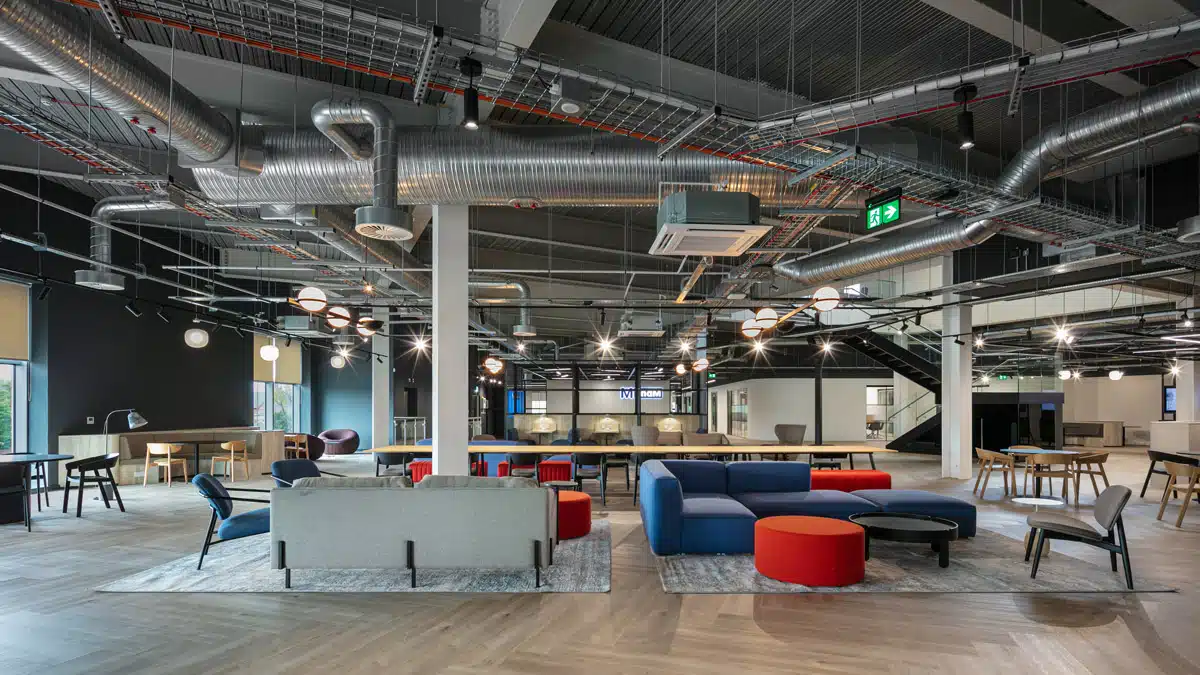
It is the stage where your business becomes visible in the space. Your layout, your meeting rooms, your kitchen, your branding, your furniture: all of this is defined and delivered during the Cat B phase. When the work is complete, your team can walk in and start working.
What Does a Cat B Fit Out Include?
The scope of a Cat B fit out varies depending on the size of the space, the complexity of the brief, and the specific needs of the business. However, most Cat B projects will cover the following elements:
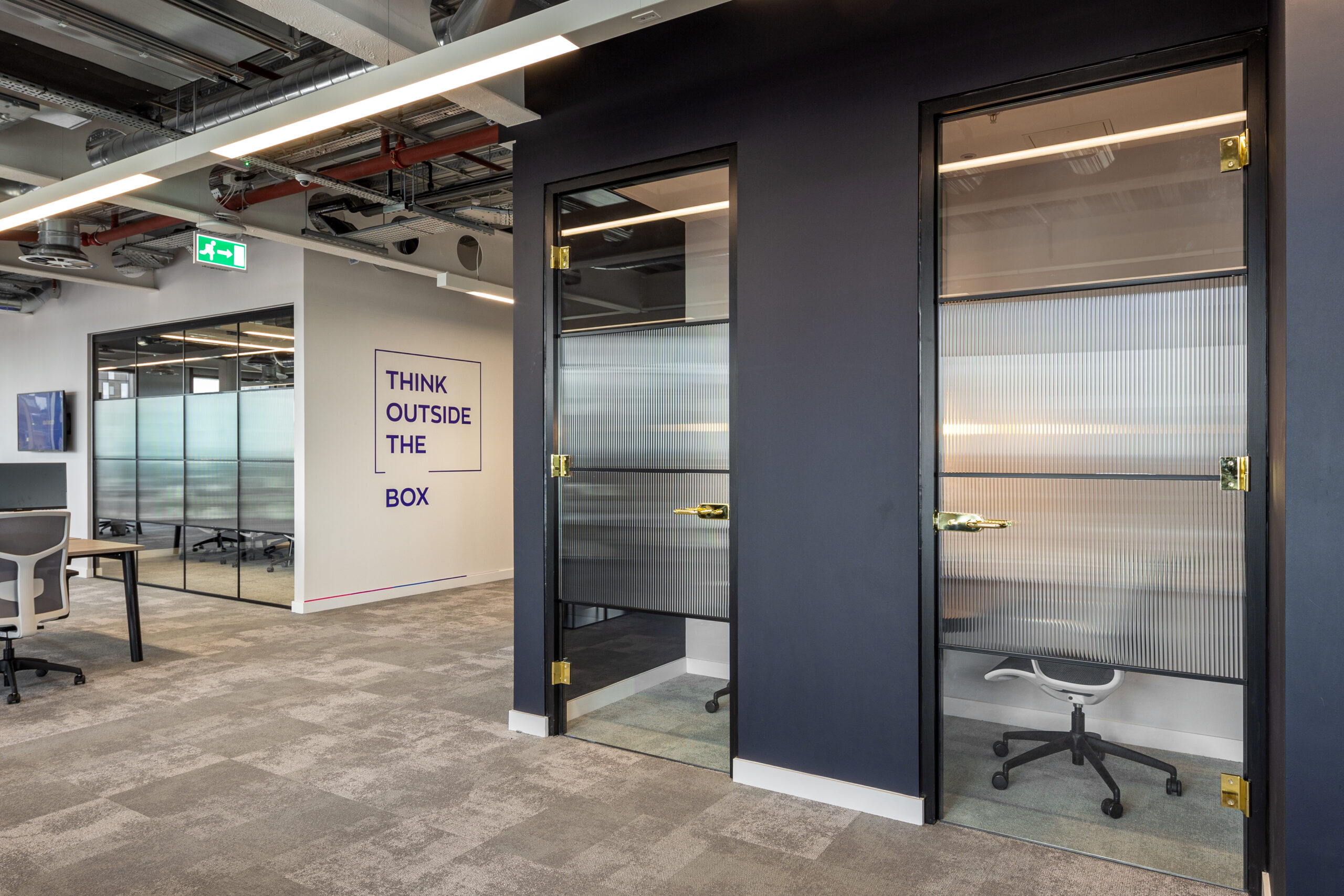
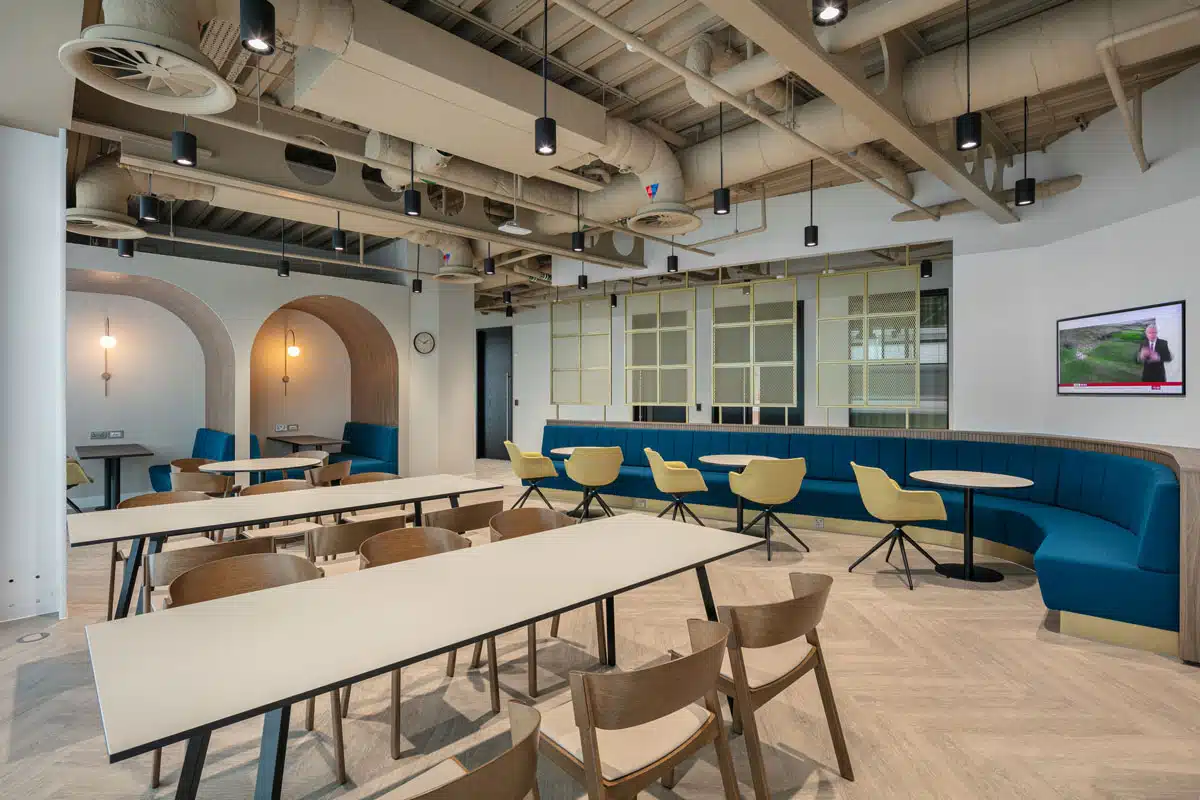
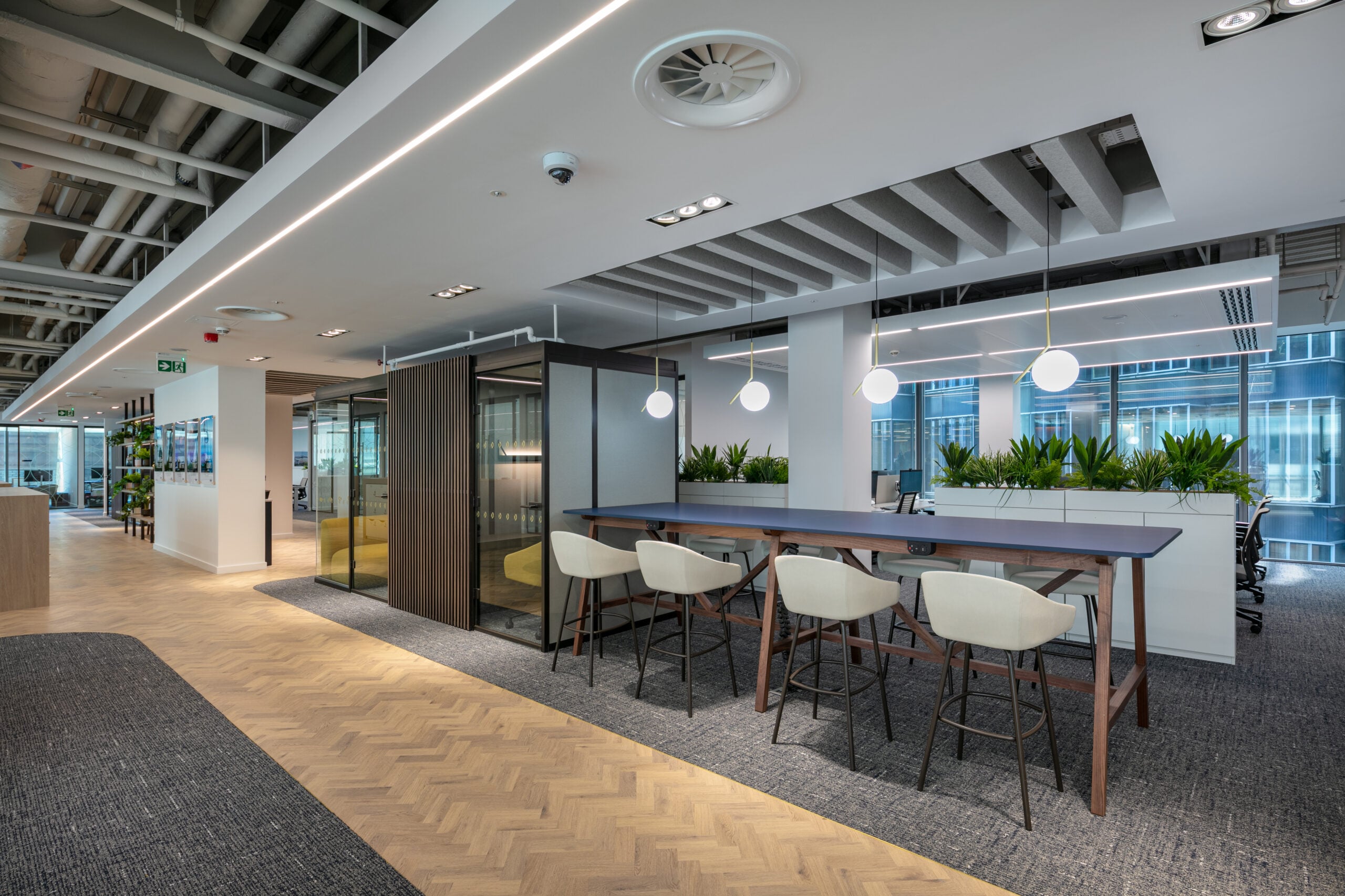
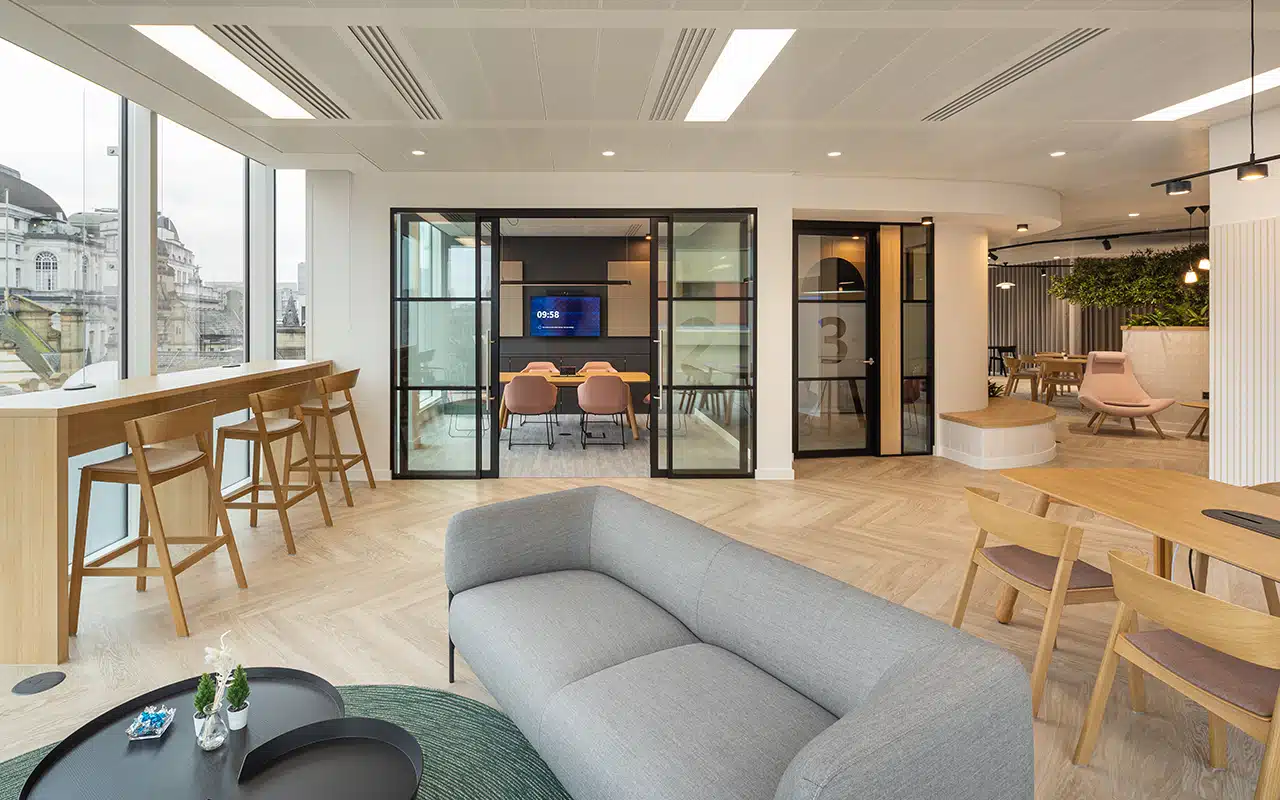
Space planning and office layout design, determining how desks, meeting rooms, collaboration areas, and breakout spaces are arranged to support your ways of working. Internal partitioning, including the installation of glass or solid partition walls to create meeting rooms, private offices, phone booths, and quiet zones. Floor finishes such as carpet, luxury vinyl tile, or timber, selected to suit different areas of the office. A designed lighting scheme that goes beyond the basic fixtures inherited from Cat A. Kitchen and welfare facilities fitted to your specification. Furniture including workstations, task chairs, meeting tables, soft seating, and storage.
IT and data infrastructure is also commonly delivered as part of Cat B, including structured cabling, comms room fit out, AV systems for meeting rooms, and Wi-Fi installation. Branding elements such as company signage, graphics, feature walls, or bespoke joinery are the finishing touches that make the space unmistakably yours.
Who Pays for a Cat B Fit Out?
In most cases, the cost of a Cat B fit out is the responsibility of the tenant. This is distinct from Cat A works, which are typically funded by the landlord as part of making the building marketable.
That said, it is increasingly common for landlords to offer a fit out contribution, sometimes called a tenant incentive or landlord contribution, as part of lease negotiations. This is particularly the case in competitive letting markets where landlords want to attract quality occupiers. It is worth raising this early in your lease discussions, as a meaningful contribution can significantly reduce your upfront investment.
How Much Does a Cat B Fit Out Cost?
Cat B fit out costs vary considerably depending on the location, size, and level of finish required. As a broad guide, a standard Cat B fit out in UK regional cities such as Manchester, Leeds, or Birmingham typically ranges from £50 to £90 per square foot. Higher specification projects with premium materials, bespoke joinery, or complex AV installations can reach £100 to £120 per square foot or more. London projects are generally £20 to £40 per square foot higher than equivalent regional schemes.
These figures cover construction costs but may not include furniture, IT, or professional fees, all of which should be factored into your budget from the outset. Working with a design and build contractor who can provide an accurate cost estimate early in the process is the most effective way to avoid budget surprises.
How Long Does a Cat B Fit Out Take?
For a small office of up to 3,000 square feet, a Cat B fit out can typically be completed in eight to twelve weeks from design sign-off to handover. Larger or more complex projects, including multi-floor schemes, listed buildings, or phased occupations, will take longer. Programmes of four to six months are not unusual for significant projects.
The design phase often takes as long as the build phase, particularly when stakeholder sign-off is required at multiple stages. Starting the design process as early as possible, ideally before your lease is signed, gives you the best chance of completing works on time and avoiding delays to your move-in date.
Cat B vs Cat A: What Is the Difference?
The relationship between Cat A and Cat B is straightforward: Cat A is the foundation, Cat B is the fit out. Cat A delivers the building shell in a functional but generic state. Cat B layers the design, personalisation, and operational infrastructure on top of that foundation.
Most businesses never see the Cat A works because they were completed by the landlord before the space was marketed. From a tenant’s perspective, the Cat B fit out is the project: it is what they commission, fund, and occupy.
There is also a third category worth knowing about: Cat A+. This is an intermediate level of finish, typically delivered by landlords who want to offer a more move-in ready space without going as far as a full bespoke Cat B. Cat A+ spaces often include some partitioning, furniture, and IT infrastructure, and are increasingly popular in markets where tenants need speed.
How We Can Help
We deliver Cat B fit outs for businesses across the UK, taking projects from initial brief through to a fully finished, occupied workplace. Our team handles everything including design, space planning, construction, IT infrastructure, furniture, and project management, so you have one point of accountability throughout.
If you are planning a Cat B fit out and want to understand your options, talk timescales, or get an early cost indication, we are happy to have that conversation. Our guide to the differences between Cat A, Cat B and Cat A+ is also a useful starting point if you are still deciding which type of fit out is right for your situation.