Cat A+ is one of the newer terms in commercial property, and it describes something that has become increasingly common in the UK office market: a space that is more finished than a standard Cat A but less bespoke than a full Cat B fit out. If you are looking at office space and wondering what Cat A+ actually means in practice and whether it is the right option for your business, this guide will give you a clear picture.
Understanding where Cat A+ sits in relation to Cat A and Cat B helps you make better decisions when choosing a space, negotiating your lease, or planning a fit out for a building you are bringing to market.
What Is a Cat A+ Fit Out?
A Cat A+ fit out, sometimes called a plug-and-play fit out or a turnkey fit out, is a level of finish that bridges the gap between the basic shell of a Cat A and the fully personalised environment of a Cat B. It is designed to give tenants a functional, attractive workspace that they can occupy quickly, with minimal additional work required before moving in.
Unlike Cat A, which leaves a space empty and unfinished, Cat A+ includes practical design features that make the space genuinely ready to use. Unlike Cat B, it is not tailored specifically to one occupier’s brand or operational requirements. Instead, it is designed to appeal broadly and to reduce the time and cost involved in getting into a new space.

What Does a Cat A+ Fit Out Include?
While Cat A+ specifications vary between schemes and landlords, a typical Cat A+ fit out goes beyond the basic fabric of the building to include some or all of the following:
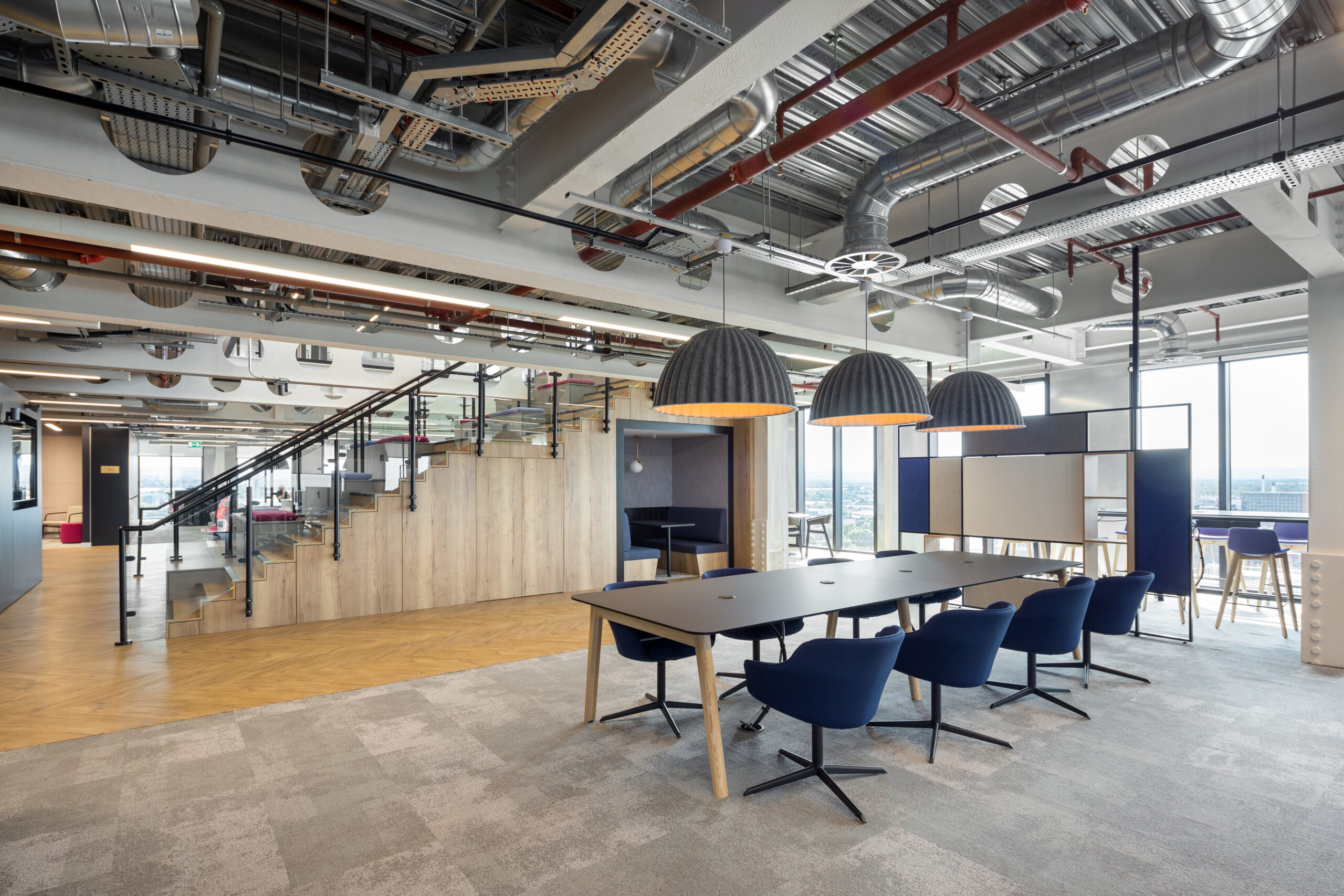
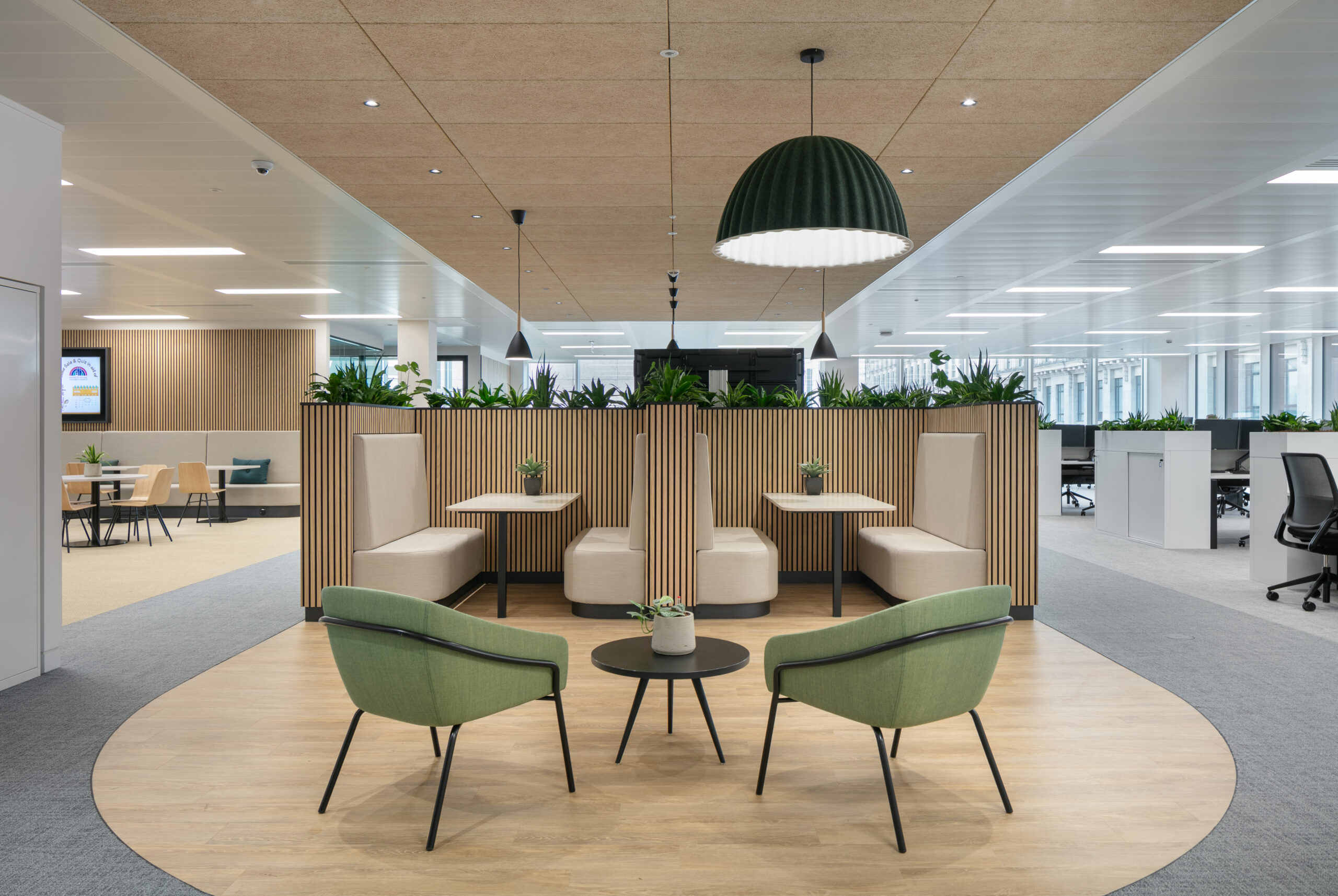
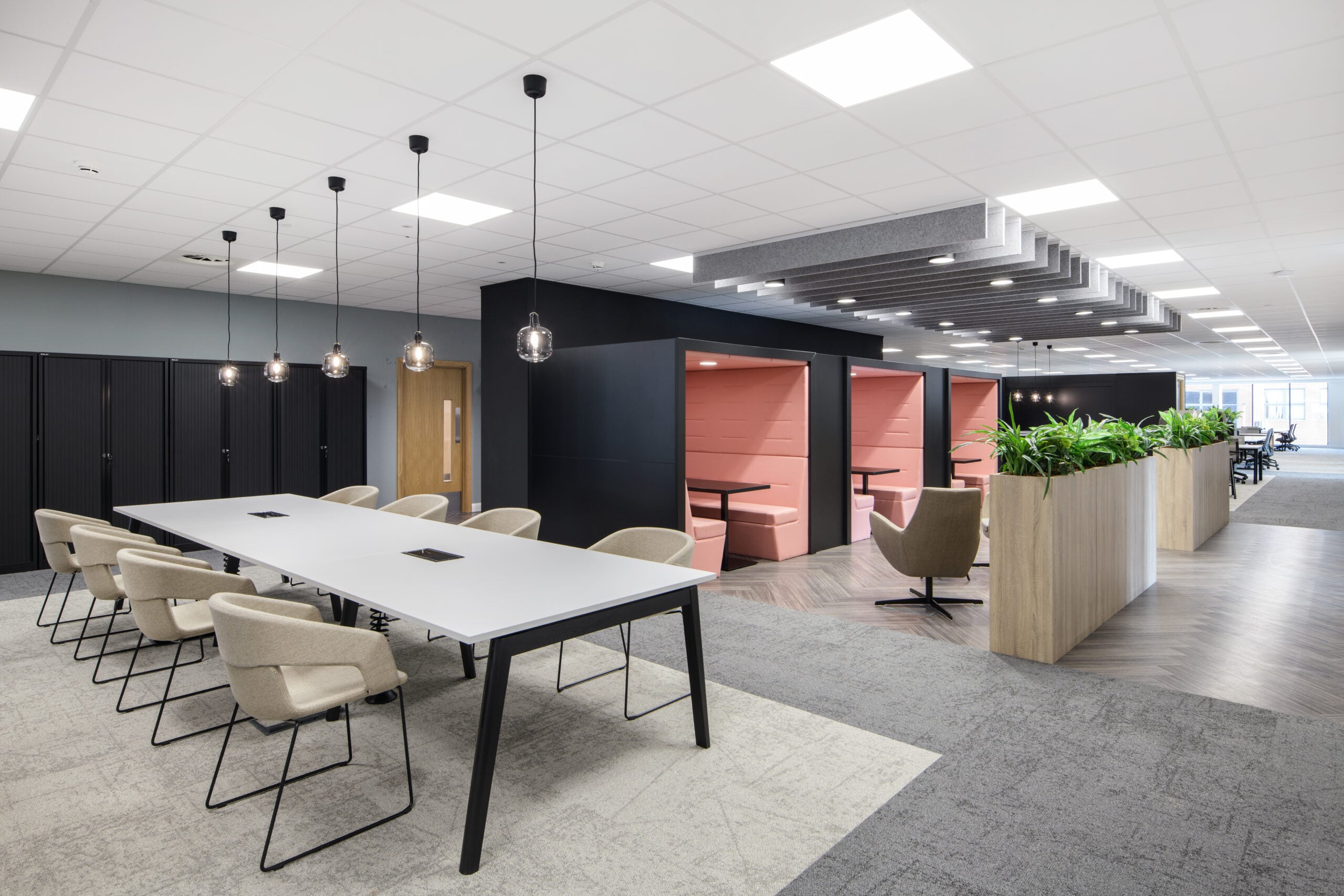
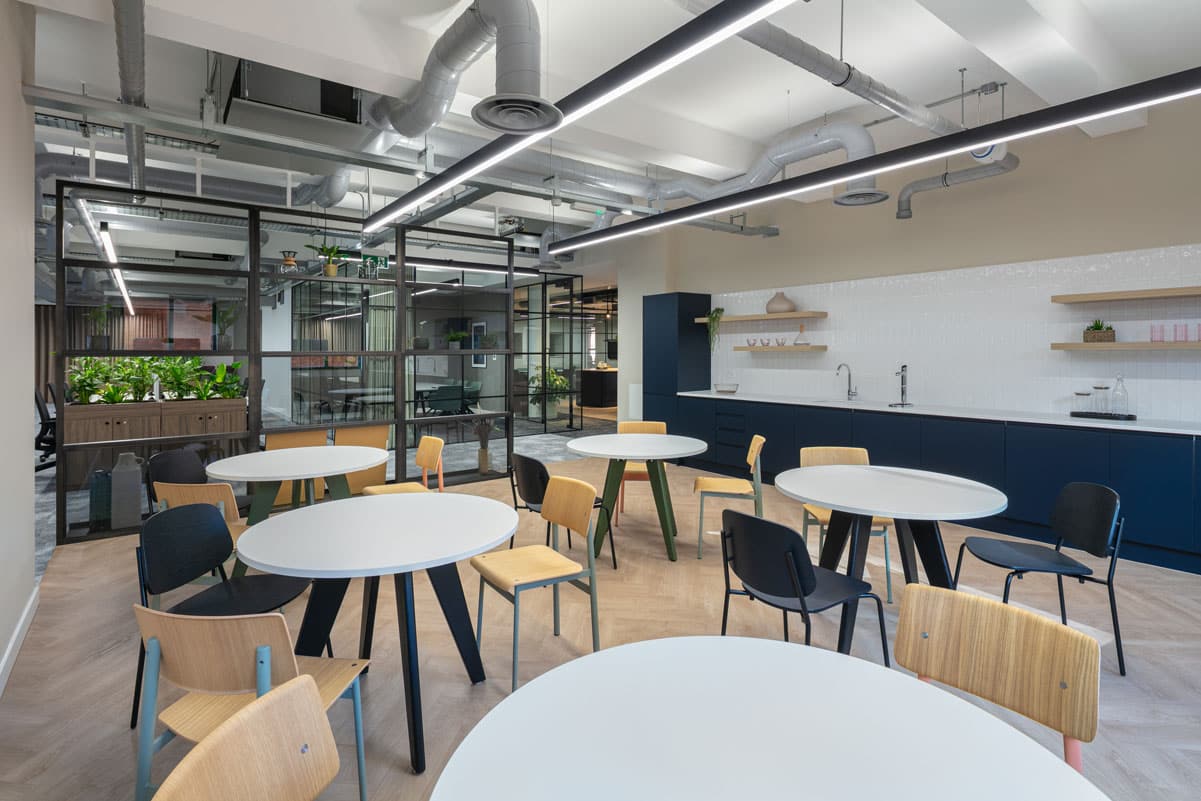
Partitioned meeting rooms and breakout spaces, pre-built and ready for use. Installed furniture including desks, task chairs, and storage, providing a working baseline. Functional IT infrastructure including data cabling, Wi-Fi access points, and comms rooms. Enhanced floor and ceiling finishes, offering a higher quality of finish than standard Cat A. Kitchen and welfare facilities, fitted out and ready to use. Feature design elements such as considered lighting design or acoustic treatments that give the space character without being brand-specific.
The result is a space that feels like a finished office rather than an empty shell. A business can move in, plug in, and start working within days rather than months.
Who Is Cat A+ Designed For?
Cat A+ is typically delivered by landlords and developers, rather than commissioned by tenants. It is particularly common in buildings targeting smaller businesses, scale-ups, or companies that need to move quickly and do not have the budget or appetite for a full Cat B project.
From the landlord’s perspective, a Cat A+ fit out makes a building easier to let. It reduces the perceived effort for prospective tenants and can shorten void periods significantly. In competitive markets, offering a Cat A+ space can be the difference between a quick letting and a prolonged vacancy.
For tenants, Cat A+ works best when you need speed, your headcount is relatively stable, and you do not have strong requirements for bespoke branding or highly specific space planning. It is less well-suited to businesses with complex technical requirements, growing teams, or a strong desire to express their identity through their physical environment.

Cat A+ vs Cat B: Which Is Right for You?
The choice between Cat A+ and Cat B often comes down to three factors: time, budget, and how important the physical environment is to your organisation.
If you need to move quickly and the space on offer meets your practical needs, Cat A+ can be a sensible choice. You avoid the cost and lead time of a full Cat B project and move into a space that is already functional. The trade-off is that you have less control over the design, and the space will not be tailored to your brand or ways of working.
If how your office looks and functions matters to your business, for recruitment, for client perception, for culture, or for how your team works day to day, then a Cat B fit out is almost always the better long-term investment. The upfront cost is higher, but the result is a space designed specifically for your people.
Some businesses choose a hybrid approach: they take a Cat A+ space for speed, then carry out targeted Cat B works over time, adding their branding, reconfiguring meeting rooms, or upgrading furniture as the budget allows. This staged approach can work well, though it is worth planning for it from the outset rather than retrofitting changes into a space that was not designed with them in mind.
Cat A+ and the Changing Office Market
The rise of Cat A+ reflects broader shifts in how businesses think about office space. The growth of flexible working, shorter average lease terms, and a greater emphasis on speed to market have all contributed to demand for spaces that can be occupied quickly without major upfront investment.
At the same time, occupiers are increasingly focused on employee experience, and a well-executed Cat A+ scheme can deliver a genuinely appealing environment, particularly in buildings where the landlord has invested in quality design and materials. The best Cat A+ fit outs look and feel like finished workplaces, not compromises.
How We Can Help
We deliver Cat A+ fit outs for landlords and developers looking to make their buildings stand out in competitive markets, as well as Cat B fit outs for businesses who want a workspace truly built around their people. Our team can also advise on the right approach for your specific situation, whether that is a full Cat B project, a Cat A+ scheme, or a phased programme that combines both.
Our guide to the differences between Cat A, Cat B and Cat A+ is a useful reference if you are still weighing up the options. Or if you would like to talk through your project, we are happy to help.