The return to office conversation has been running for several years now, and for many businesses it remains unresolved. Mandates have been issued and walked back. Policies have been adjusted. Incentives have been offered. And yet, in organisation after organisation, office attendance remains stubbornly below pre-pandemic levels.
Most of the debate around return to office has focused on policy – on how many days a week employees should be expected to attend, and what consequences follow if they do not. Far less attention has been paid to the more fundamental question: why would someone choose to come to the office if they did not have to?
The answer, more often than not, comes down to design. The physical workspace is the most direct lever a business has to make the office genuinely appealing – not just acceptable. This guide explores what that means in practice.
The Policy Trap
Many organisations have responded to low office attendance by tightening their return to office policies. Three days a week becomes mandatory. Attendance is tracked. Performance reviews begin to reference presence. The results are rarely what leaders hope for.
Mandated attendance can drive footfall in the short term, but it rarely drives engagement. Employees who feel compelled to attend often do so reluctantly, sitting at a desk on video calls they could have taken from home, and leaving at the earliest opportunity. The office becomes a compliance exercise rather than a place people choose.
The organisations seeing the strongest voluntary office attendance are typically not those with the strictest policies. They are the ones that have invested in making their offices genuinely better than working from home – not just different.
What People Actually Come to the Office For
Understanding why people choose to come to the office – when they have a choice – is the starting point for any meaningful design response. Research and workplace observation consistently point to a consistent set of motivations.
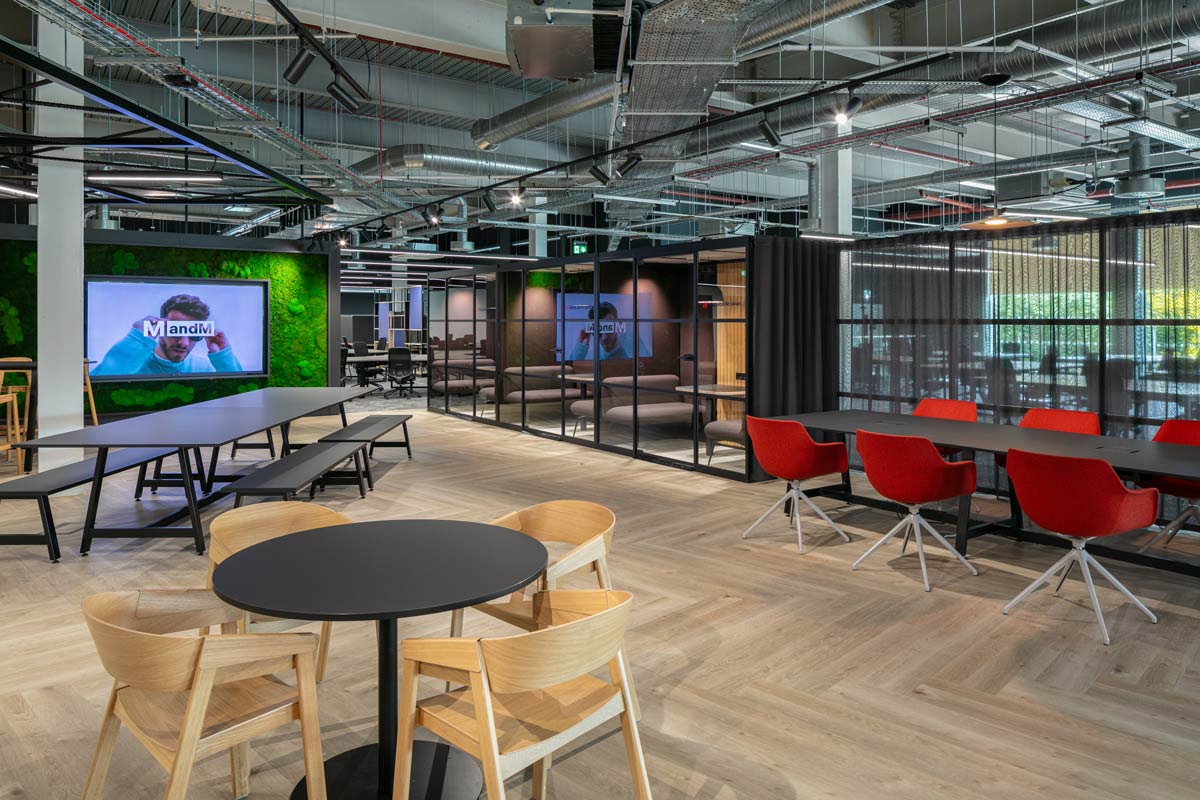
People come to the office for connection. They want to see their colleagues, build relationships, have the informal conversations that don’t happen on a scheduled video call, and feel part of something larger than their home office. Design that facilitates spontaneous interaction – through circulation routes, shared social spaces and varied seating – directly supports this.
People come to the office for capability – access to equipment, space and technology that is not available at home. Large screens, high-quality AV, specialist software, physical samples and materials, printing and collaborative display surfaces all give the office a functional advantage.
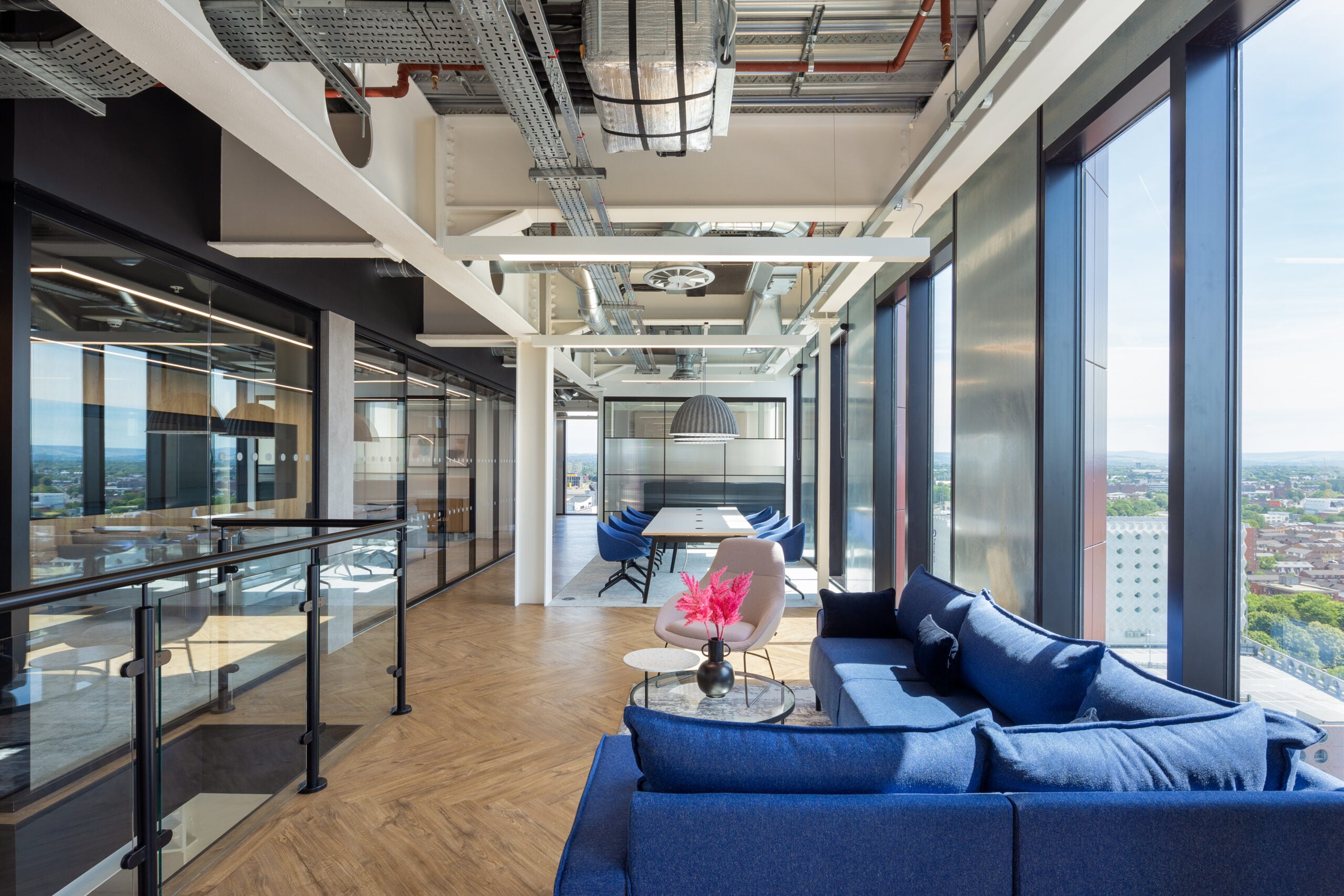
And people come to the office for experience. A well-designed, well-maintained, well-serviced workplace is simply a more pleasant environment to spend time in than many home setups. Good lighting, comfortable furniture, quality food and coffee, outdoor access and a sense of care in the environment all matter more than many leaders recognise.
Designing for Choice, Not Compliance
The most effective return to office design strategy is one that gives people genuine reasons to attend, rather than removing their reasons not to. This means designing an office that offers something meaningfully different from – and better than – the home environment, rather than simply replicating it at scale.
The office should be the best place to do certain kinds of work. Intensive collaboration, client meetings, creative workshops, onboarding, mentoring and social connection are all activities that the office can support better than any home environment – but only if the space is designed to enable them.
Conversely, the office should not try to compete with home for focused individual work. If employees can concentrate better at home, design should accommodate that reality by providing quiet zones and focus booths for those days when they do choose to attend, rather than forcing everyone into open plan.
The Spaces That Make the Biggest Difference
Certain space types consistently have the greatest impact on the appeal of an office for returning employees. Investing in these areas typically delivers a stronger return than spreading budget evenly across the whole floorplate.
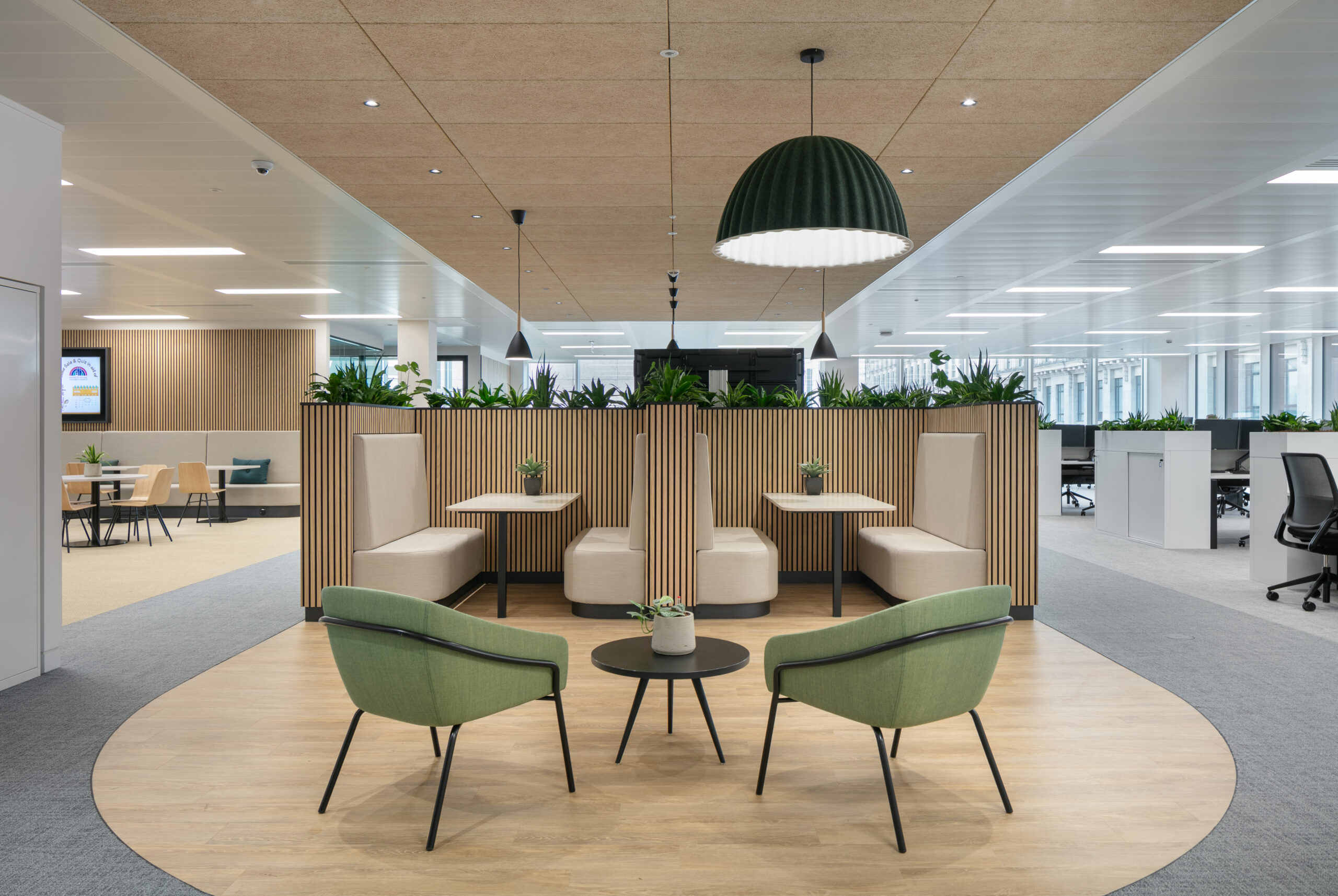
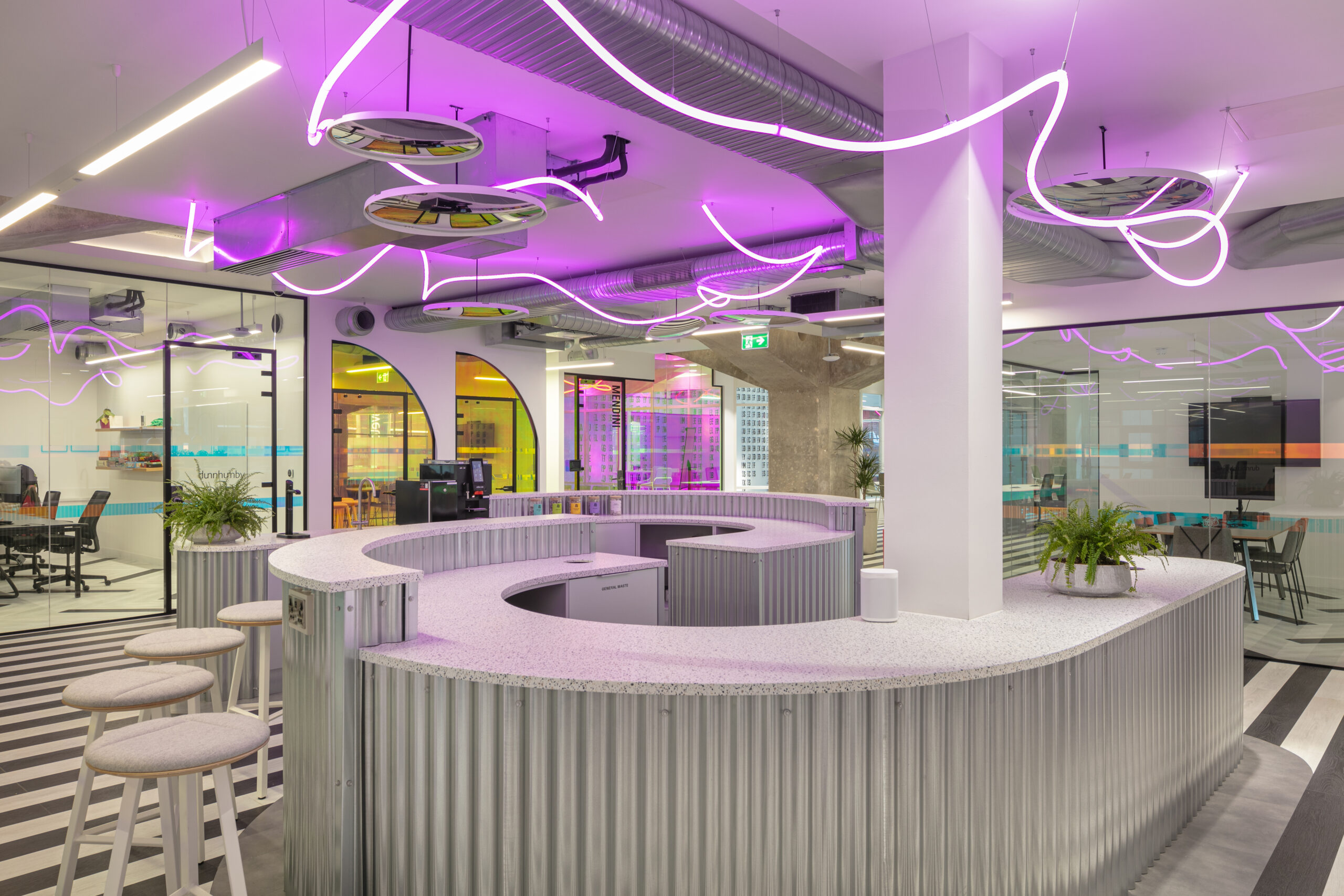
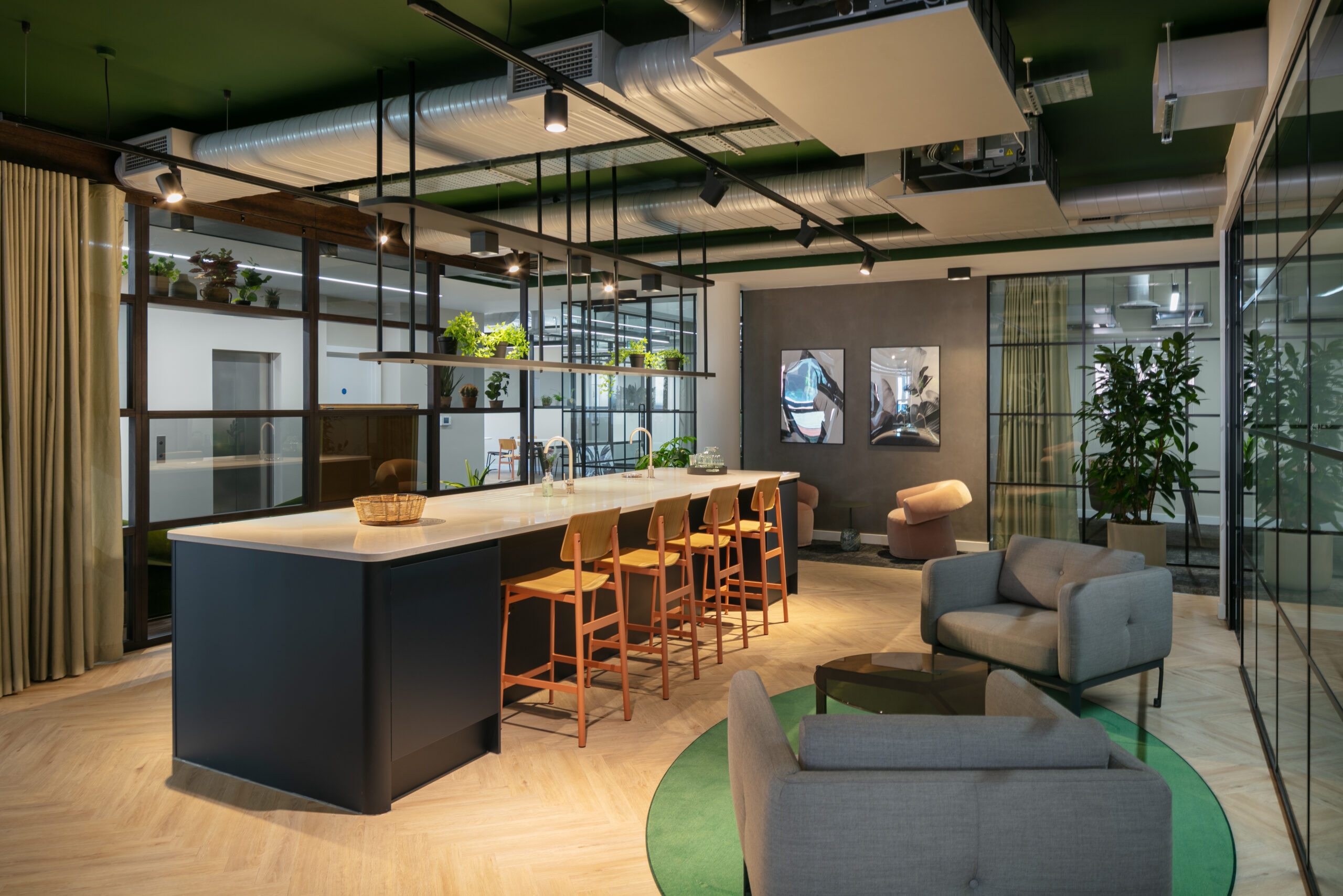
Social and hospitality spaces – high quality breakout areas, kitchen and cafe zones, informal lounge seating – create the conditions for the spontaneous connection that is genuinely difficult to replicate remotely. A well-designed social hub at the heart of the office signals that the organisation values people, not just productivity.
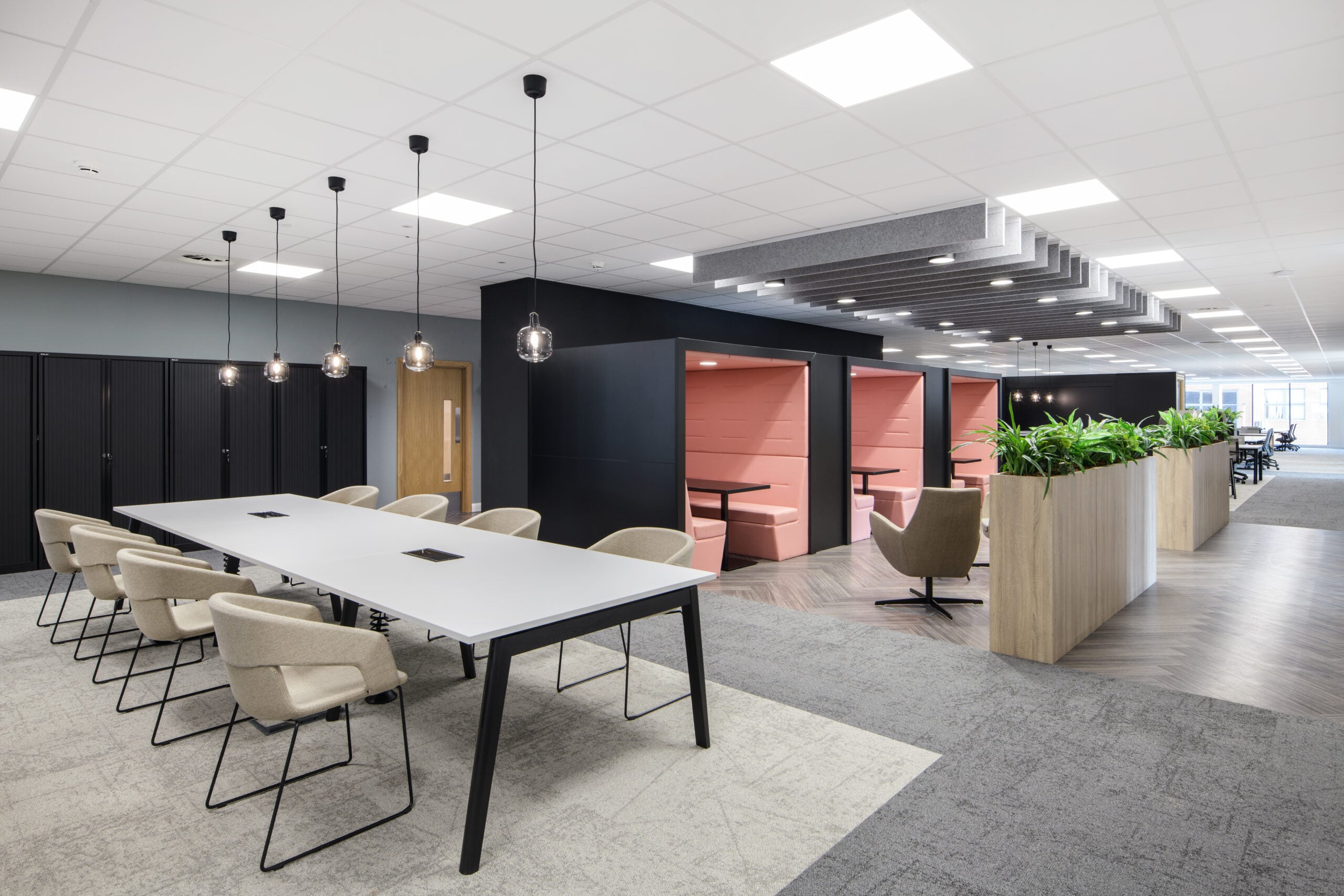
Collaboration zones that are genuinely designed for group work – with writable walls, flexible furniture, good acoustics and reliable technology – give teams a reason to come together in person rather than defaulting to a video call.
Focus spaces including phone booths, quiet rooms and solo work areas give employees the confidence that they can come to the office and still get focused work done when they need to, rather than being at the mercy of an open plan environment.
Bookable amenity spaces – showers, lockers, secure bike storage, a mothers’ room – reduce the friction of commuting and signal that the organisation has considered the needs of its people.
Neighbourhood Design and Belonging
One of the most effective design approaches for return to office is the concept of neighbourhoods – designated areas of the floorplate that belong to specific teams, departments or communities of practice. Rather than a sea of unassigned hot desks, neighbourhoods give people a home base in the office and a sense of belonging that supports both attendance and engagement.
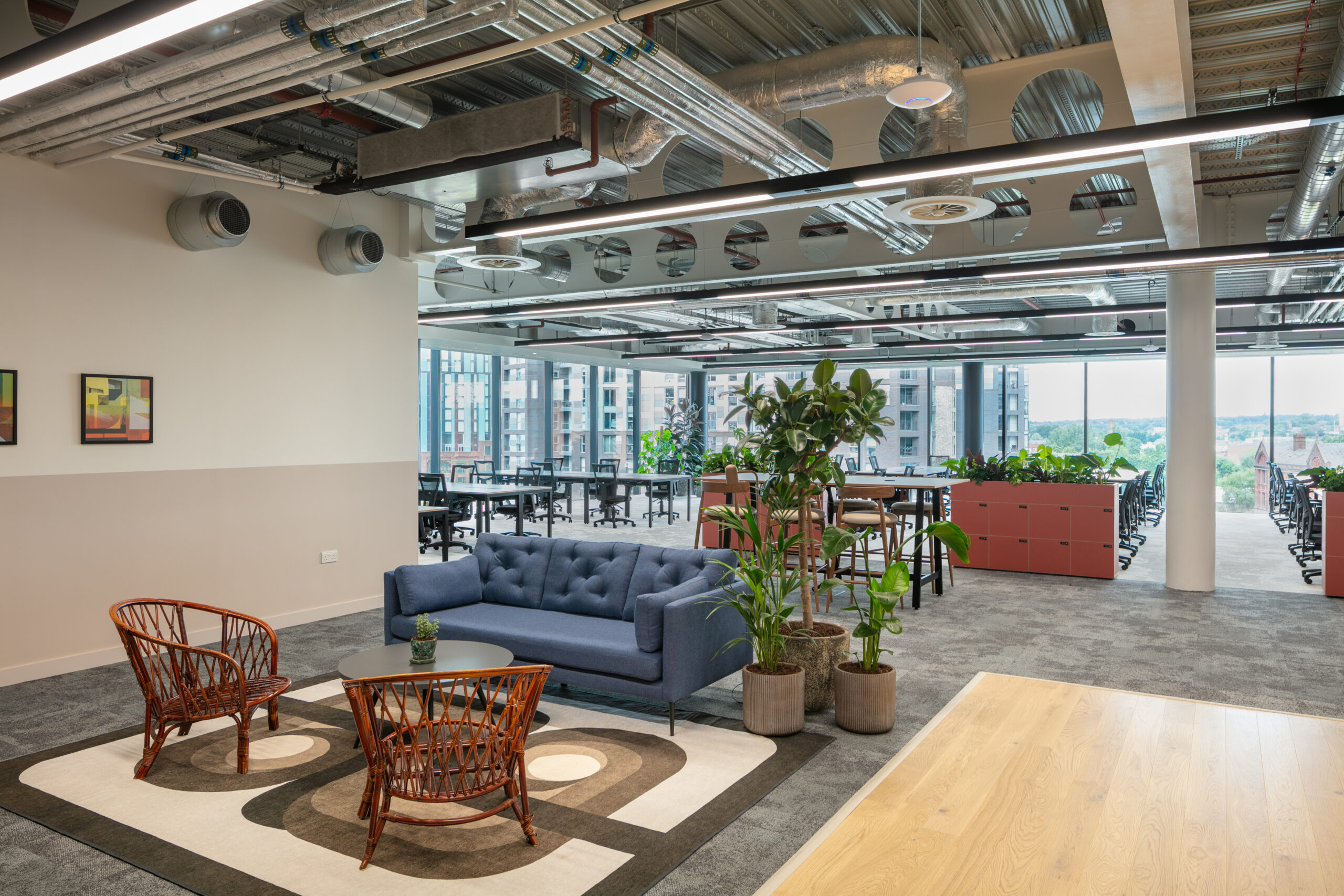
A well-designed neighbourhood includes a mix of desk settings, informal seating, collaboration space and access to meeting rooms, all within a defined area that a team can claim and personalise. This approach combines the flexibility of activity-based working with the stability and identity of a fixed team area – a balance that many organisations have found more effective than either extreme.
The Role of Workplace Consultancy
Designing a workplace that genuinely brings people back requires understanding how your specific teams work, what motivates them to attend and what is currently stopping them. Generic design solutions applied without this understanding rarely deliver meaningful results.
Our workplace consultancy process gathers this insight through staff surveys, space utilisation analysis and structured workshops, giving us a clear picture of what your people actually need from the office before any design decisions are made.
Start With the Experience, Then Design to Deliver It
The most important question to ask at the start of a return to office design project is not “how do we get people back?” It is “what experience do we want people to have when they are here?” Design backwards from the answer to that question, and you are far more likely to create a workplace that earns attendance rather than demanding it.
At ADT Workplace, we work with businesses across the UK to design offices that people genuinely want to spend time in. Whether you are planning a full refurbishment, reconfiguring an existing space or fitting out a new office, our team can help you create an environment that supports both your people and your business goals.