Cat B refurbishment is where an office starts to feel like your own. While Cat A works provide the basic structure, Cat B is the stage that shapes how people use the space every day. It brings together layout, finishes, furniture, branding, technology and amenities to create a workplace that supports your business.
However, Cat B refurbishment is not only about making an office look complete. It is about transforming a generic commercial space into an environment that works for your people, your culture and your long-term goals. Therefore, it plays a key role in how employees collaborate, focus, meet clients and experience the workplace.
What is Cat B refurbishment?
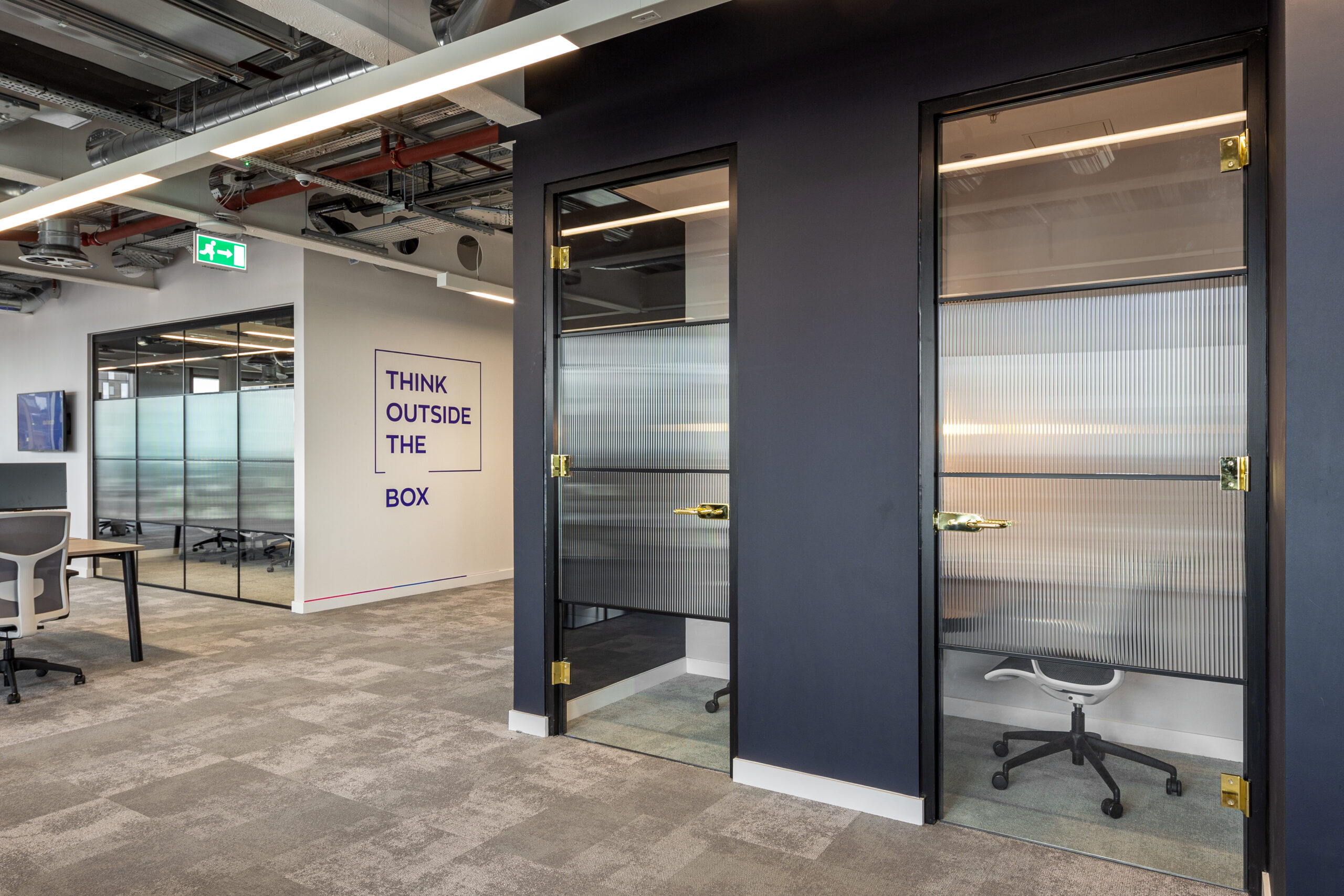
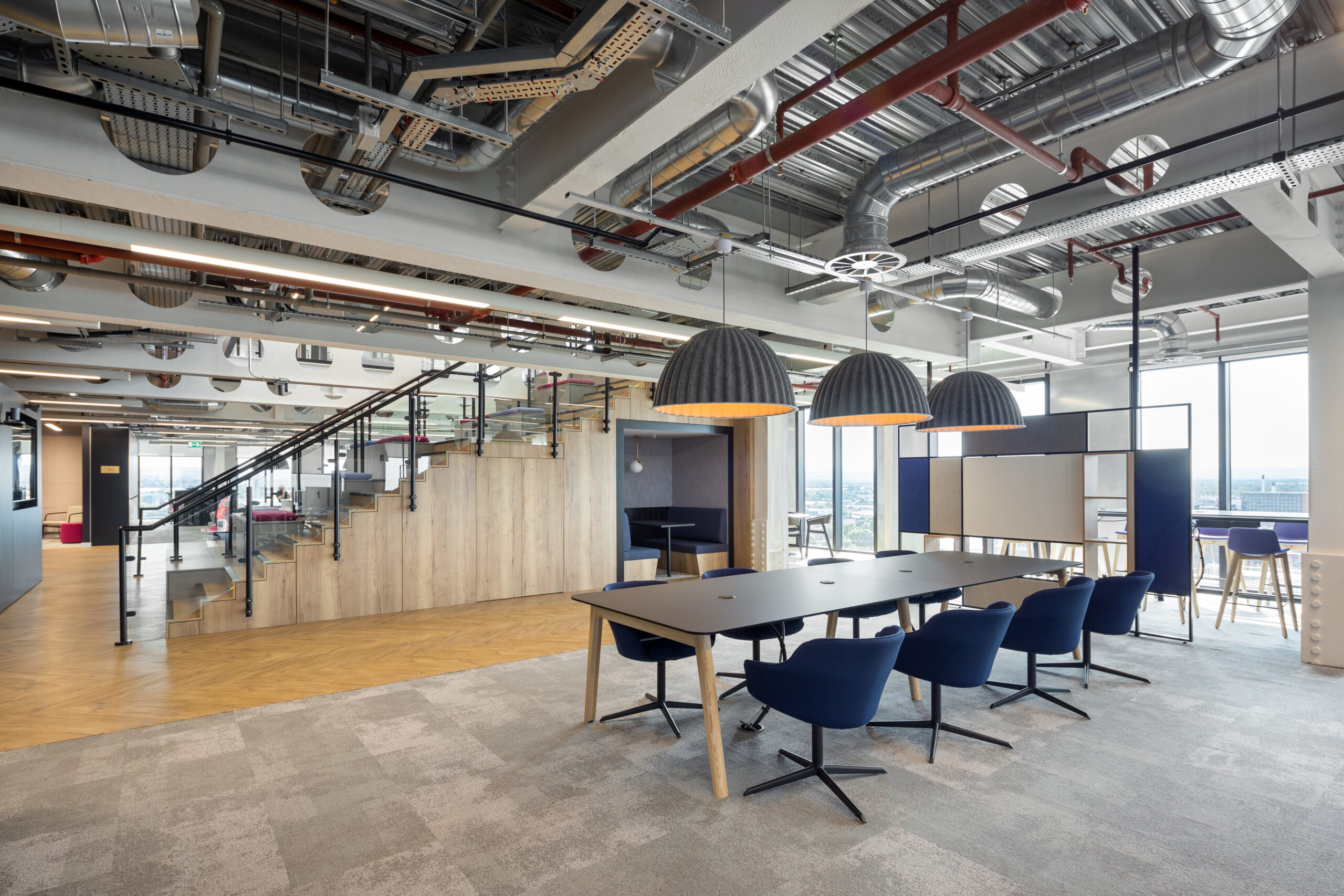
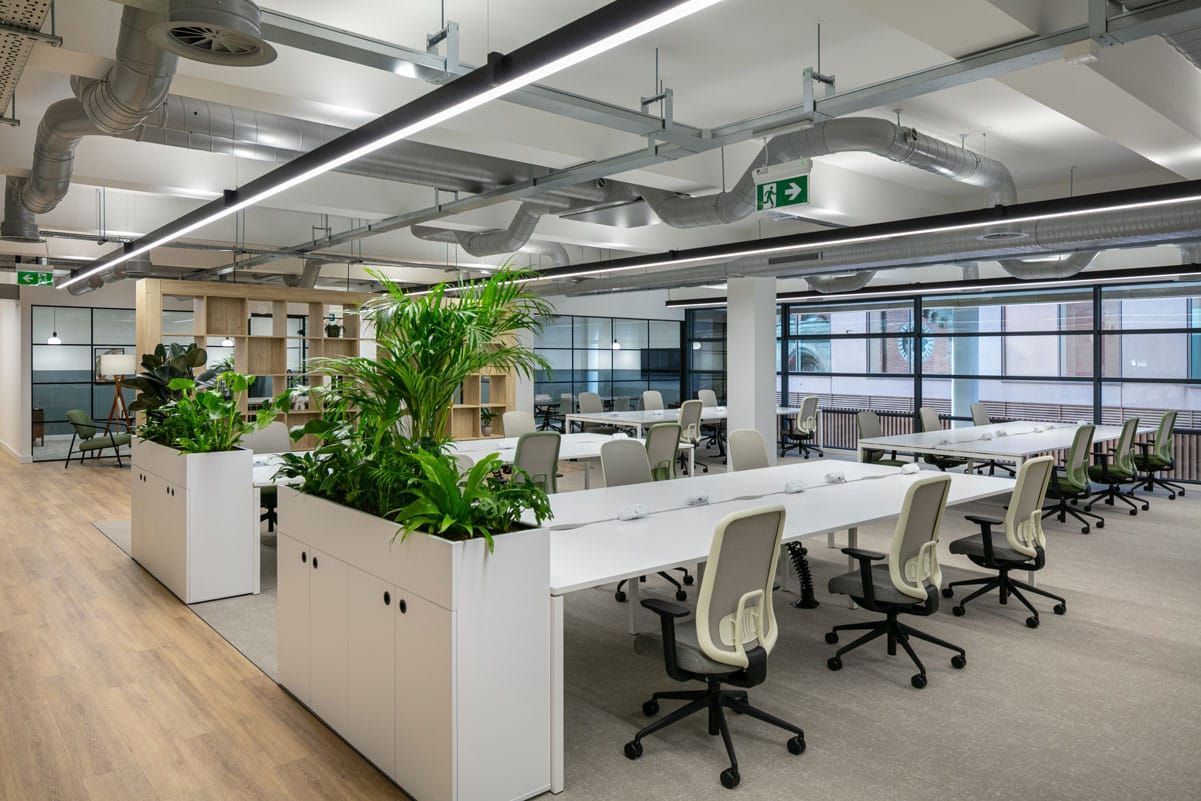
Cat B refurbishment focuses on the tenant-specific layer of an office. This usually includes meeting rooms, breakout areas, kitchens, workstations, floor finishes, lighting, joinery, furniture, branding, AV systems and IT infrastructure.
In simple terms, it is the part of the project that makes a workspace ready for occupation. Yet, the real value comes from how these elements are planned. A well-considered Cat B refurbishment should support your working style, improve flow through the office and create a stronger connection between your people and your brand.
For example, a business may need more collaboration zones, better acoustic control or a more welcoming reception area. Another company may need a better balance between focused work, hybrid meetings and social spaces. As a result, every Cat B refurbishment should be shaped around the way the organisation actually works.

Why Cat B refurbishment matters
A workplace is no longer just a place to house desks. Instead, it needs to support productivity, wellbeing, communication and brand identity. This is why Cat B refurbishment is such an important stage in any office project.
During this phase, the space becomes more than a layout. It becomes a tool for business performance. The right design can help teams work more efficiently, make collaboration easier and create a better day-to-day experience for employees.
In addition, the office plays an important role in how people feel about a company. A tired, poorly planned or disconnected space can affect morale. By contrast, a well-designed workplace can create pride, energy and a stronger sense of belonging.
Reconfiguring offices for modern working
Many businesses now need their offices to work harder than before. Hybrid working, changing team sizes and new collaboration habits have all changed how space is used. Therefore, Cat B refurbishment often focuses on reconfiguring existing layouts rather than starting again.
This may involve reducing fixed desk areas, creating more agile meeting spaces or improving circulation. It may also include adding quiet rooms, project spaces and informal collaboration zones. As a result, the office can better support different working styles throughout the day.
Importantly, this approach can help businesses improve their workplace without relocating. If the location still works, a strategic refurbishment can extend the lifespan of the existing office. It can also reduce disruption, control costs and make better use of space already available.
Bringing brand and culture into the workplace
Cat B refurbishment is also the point where brand identity becomes visible within the office. This does not mean adding logos to every wall. Instead, it means creating a space that reflects how the business wants to be seen and how it wants people to feel.
Colour palettes, materials, signage, graphics, furniture and feature areas can all reinforce identity. However, the best workplace branding feels integrated rather than forced. It should support the overall design and create a consistent experience for employees, clients and visitors.
For growing businesses, this can be especially valuable. A refreshed office can help communicate ambition, professionalism and stability. Meanwhile, it can also help employees feel more connected to the direction of the company.
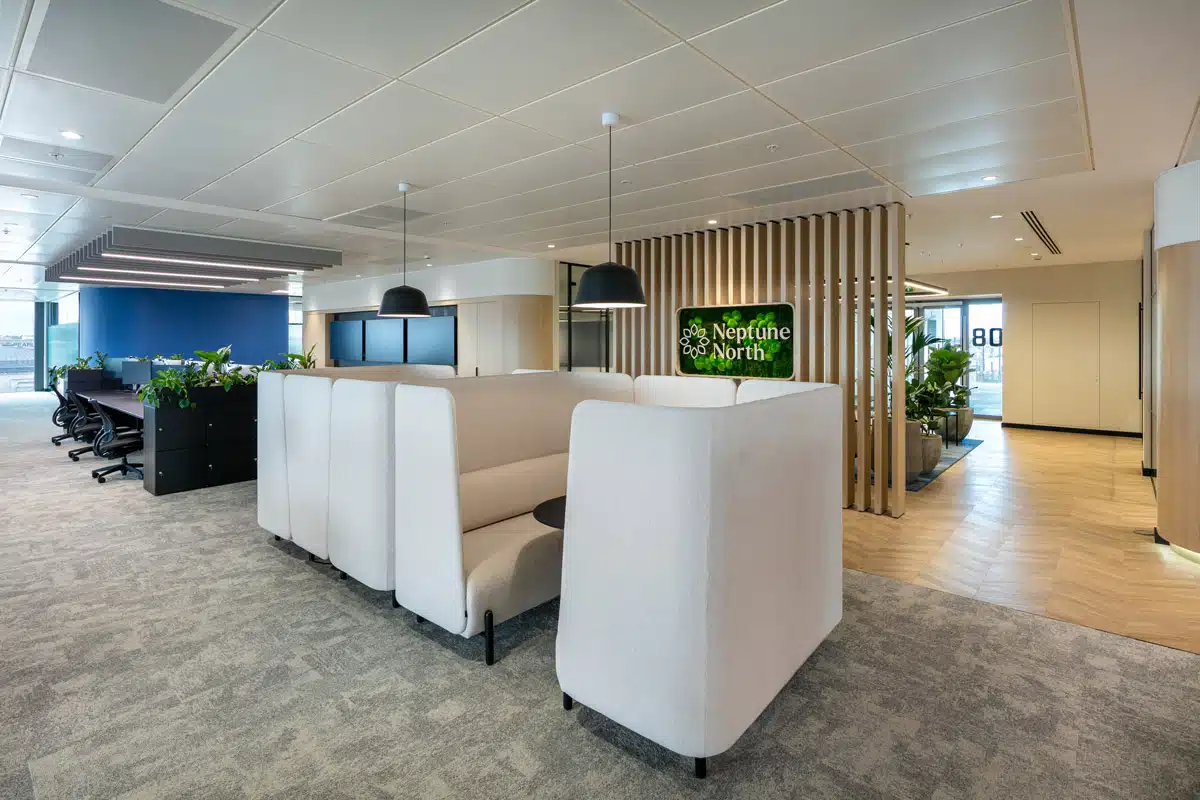
Improving employee experience through better spaces
A strong Cat B refurbishment considers the whole employee journey. This includes arrival, focused work, meetings, breaks, social interaction and informal conversations. Each part of the space should have a clear purpose.
Breakout spaces, kitchens and social areas are especially important. They give people places to recharge, connect and step away from their desks. In turn, these spaces can support wellbeing and help create a more human workplace.
Technology also plays a major role. Meeting rooms need to support video calls, presentations and hybrid collaboration. Likewise, power, data and AV systems should be planned around how teams work, not added as an afterthought.
Refurbishing rather than starting from scratch
Not every business needs a completely new office. In many cases, the smarter option is to refurbish an existing Cat B environment. This can involve retaining elements that still work, while upgrading the areas that no longer support the business.
For instance, existing furniture, flooring, lighting or partitioning may be reused where suitable. Then, new design features can be introduced to improve performance and appearance. Consequently, this can support sustainability goals by reducing waste.
A refurbishment-first approach can also help manage budgets. Rather than stripping everything out, businesses can make targeted changes with greater commercial value. This could include improving meeting spaces, upgrading staff amenities or creating better zones for hybrid working.
Planning a successful Cat B refurbishment
Successful Cat B refurbishment starts with understanding. Before design decisions are made, it is important to review how the current space performs. This includes looking at occupancy, team behaviour, storage needs, meeting room demand and employee feedback.
From there, the design can respond to real business requirements. This helps avoid wasted space and ensures every part of the office has a clear purpose. In addition, early planning helps align budget, programme and expectations.
At ADT Workplace, we approach Cat B refurbishment as part of a wider workplace strategy. We look at how your office can support culture, productivity and long-term performance. Then, we bring design and delivery together to create a workplace that feels considered, functional and ready for the future.
Cat B refurbishment is the stage where a commercial space becomes a workplace with purpose. It connects practical requirements with brand, culture, technology and employee experience.
Whether you are moving into a new space or refreshing your current office, the Cat B stage is an opportunity to create lasting value. With the right approach, your workplace can support how your teams work now, while giving you the flexibility to adapt in the future.Turning an office into a workplace