Choosing between private offices and coworking spaces is not just a property decision. It is a business decision that affects culture, productivity, privacy and future growth.
For many early-stage businesses, coworking spaces offer a practical and flexible starting point. They provide access to desks, meeting rooms, shared facilities and a professional setting without the commitment of a traditional lease. However, as teams grow, their workspace needs often become more complex.
Therefore, the right choice depends on more than cost. It should reflect how your people work, how your business operates and where you want to go next.
When Coworking Spaces Work Well
Coworking spaces can be a strong option for startups, freelancers and smaller teams. They offer flexibility, convenience and access to a ready-made environment. As a result, businesses can move quickly without managing a full office fit-out or long-term lease.
They can also help teams test new locations. For example, a business entering a new city may use coworking space before committing to a larger office. This can reduce risk while giving teams a base for meetings, collaboration and client contact.
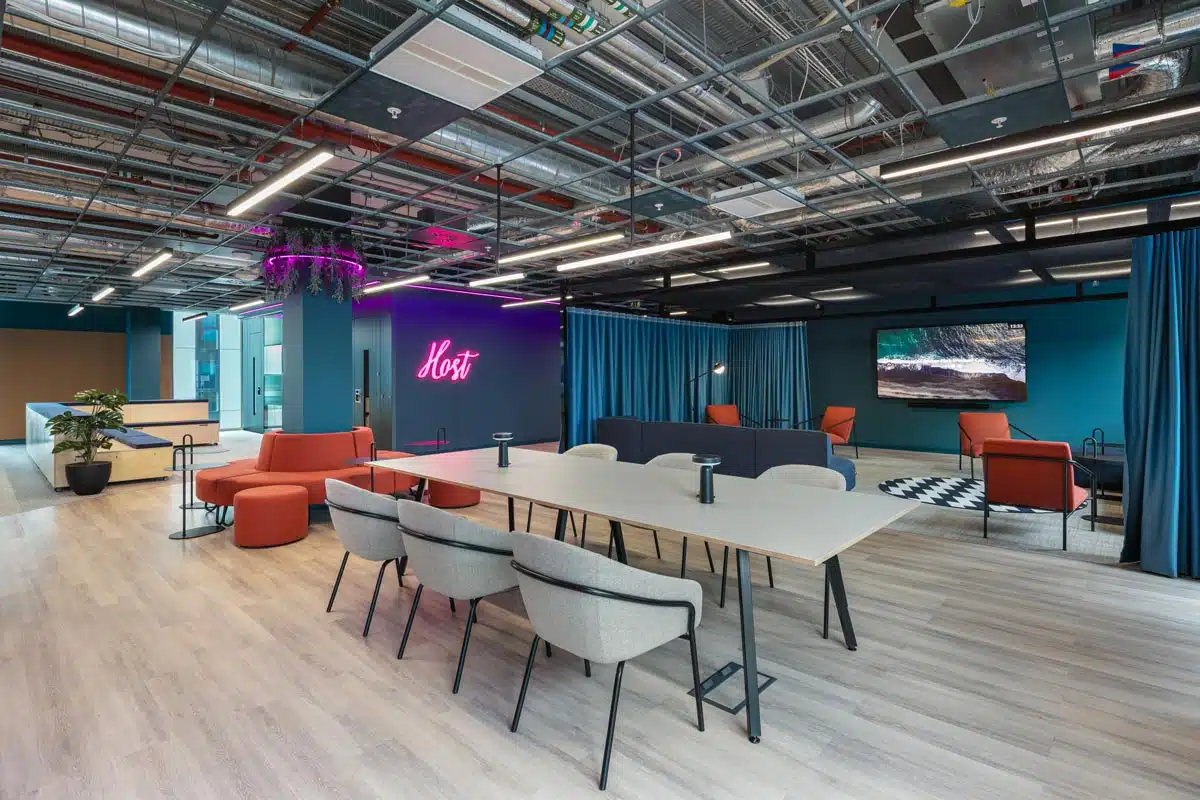
In addition, shared spaces often provide useful facilities. These may include reception areas, meeting rooms, breakout zones and networking events. For businesses still shaping their structure, this can be a cost-effective way to work.
However, coworking is not always a long-term solution. Once a team grows, shared environments can start to feel restrictive.
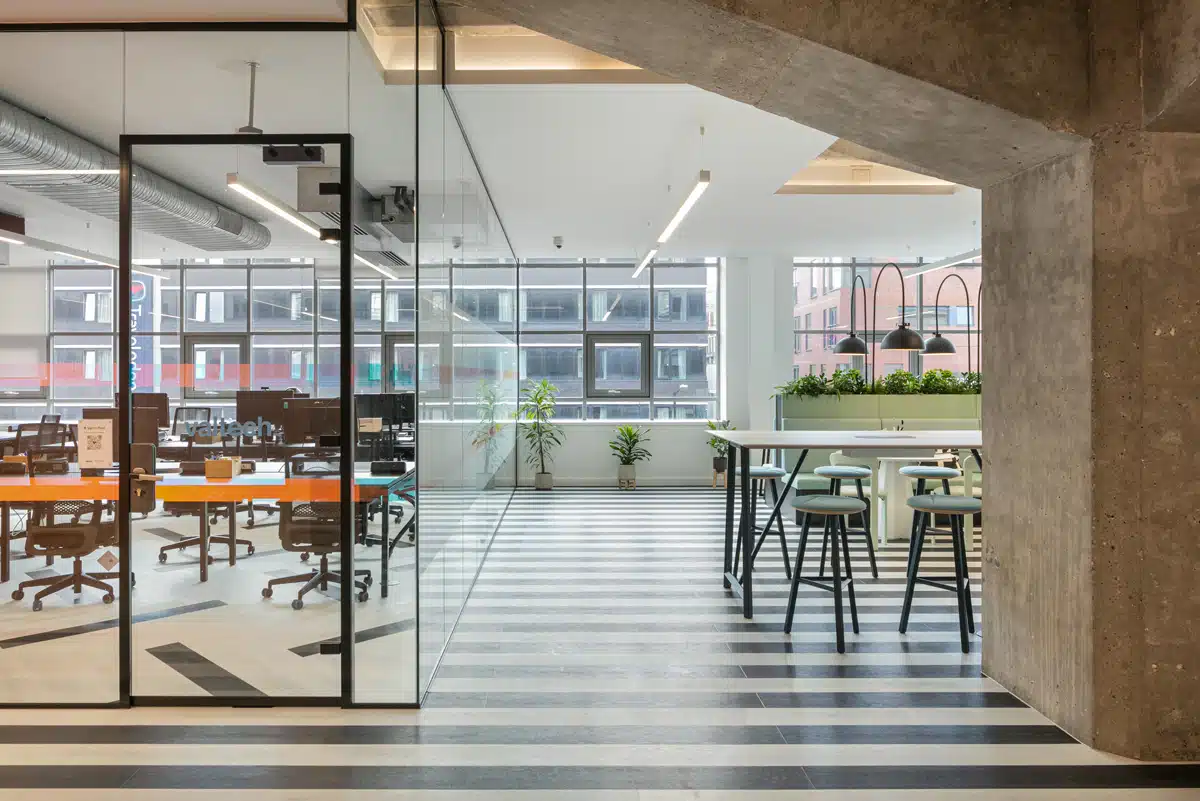
Why Growing Businesses Often Need More Control
As businesses become more established, they usually need greater control over their space. This is where private offices can become more valuable.
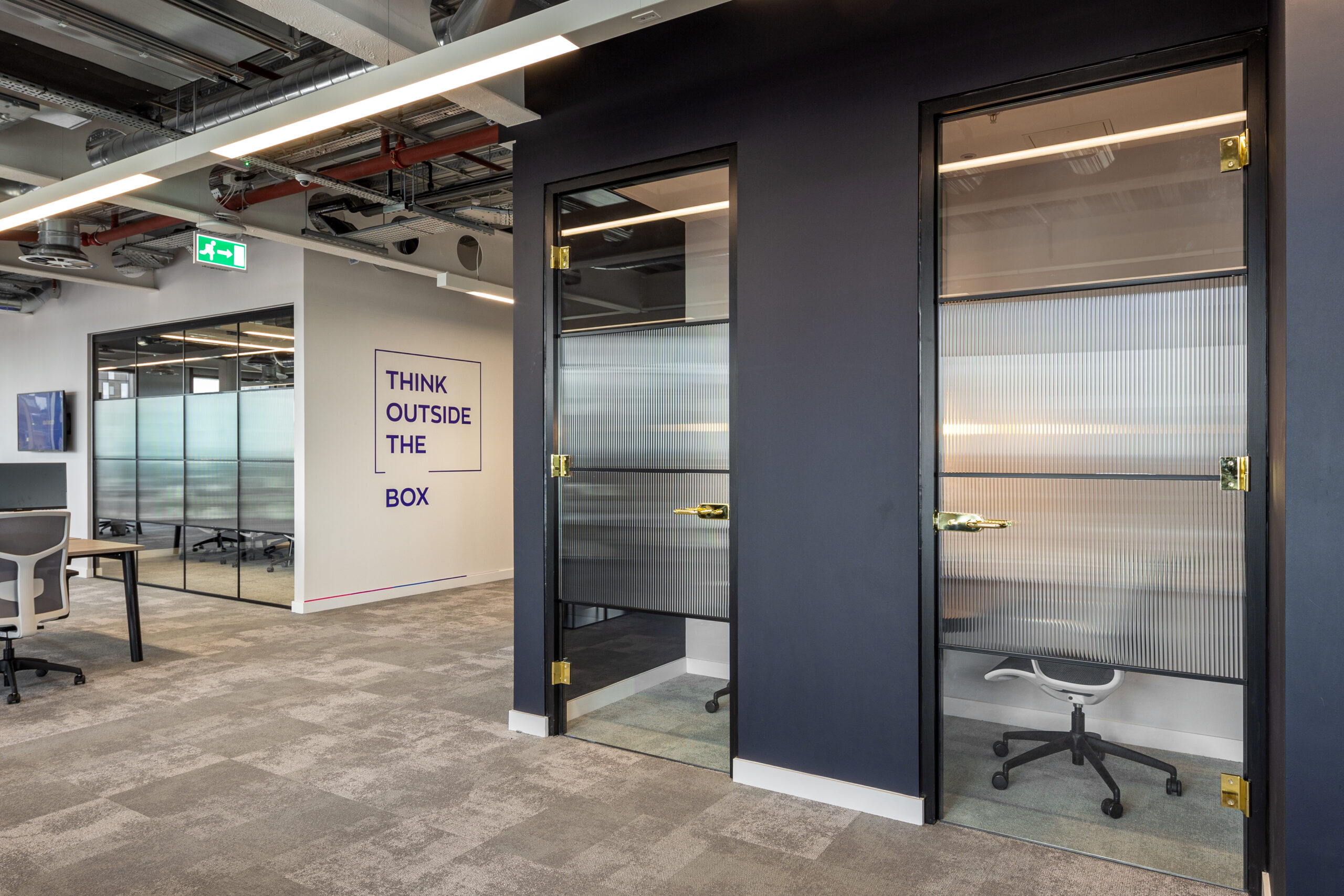
A growing team may need confidential meeting rooms, dedicated project areas, secure storage or specialist technology. In a coworking environment, these requirements can be harder to manage. There may also be limits on branding, layout changes and how the space is used each day.
Private offices give businesses the ability to shape the environment around their own operations. Therefore, the workspace can support specific departments, working styles and business goals. It also creates a consistent setting for employees, visitors and clients.
For many organisations, this consistency is important. It helps build routine, strengthens identity and gives teams a clearer sense of belonging.
Culture, Collaboration and Team Identity
Workplace culture is shaped by daily experience. It is influenced by where people meet, how they collaborate and how comfortable they feel in the office.
Coworking spaces can offer energy and variety. However, they are shared by many businesses. This means your team may not always feel a strong connection to the environment. The space may be functional, but it may not fully reflect your values, brand or ways of working.
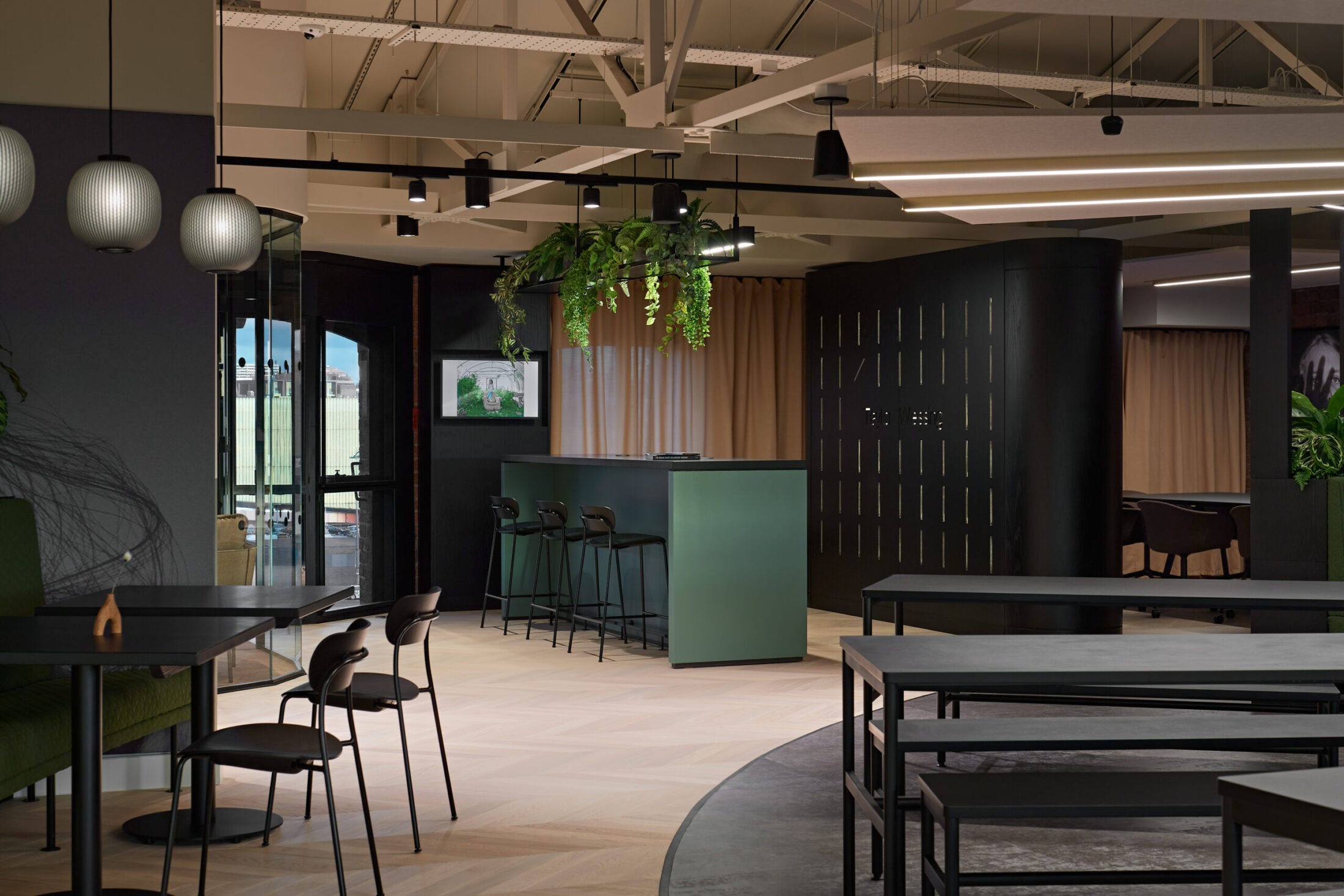
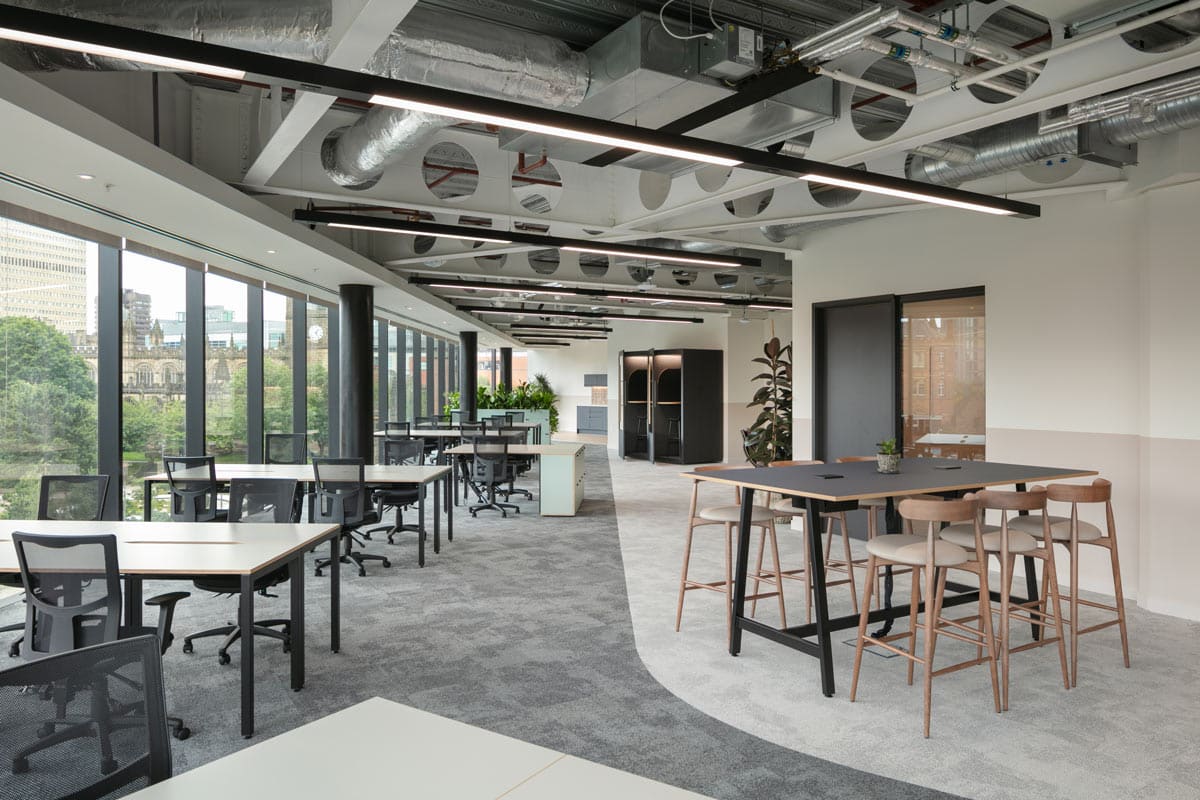
In contrast, a private office can be designed around your team. It can include focused work areas, social spaces, meeting rooms and breakout settings that reflect how your people interact. As a result, the office becomes more than a place to work. It becomes part of your culture.
This matters for growing businesses. When teams expand, new people need to understand the brand, the standards and the way the company operates. A well-designed private office can support that process from day one.
Confidentiality and Professional Presentation
Privacy is another key factor. Many businesses handle sensitive conversations, financial information, client data or strategic planning. In these cases, shared environments may not always offer the right level of control.
A private office allows confidential discussions to happen in the right setting. It also supports a more professional client experience. Visitors arrive in a space that represents your business, rather than a shared environment managed by another brand.
This can make a strong difference during pitches, investor meetings, client workshops and recruitment conversations. First impressions count. Therefore, the office should support the message your business wants to communicate.
The Role of Office Design
Private office space does not automatically create a better workplace. The value comes from how it is planned, designed and delivered.
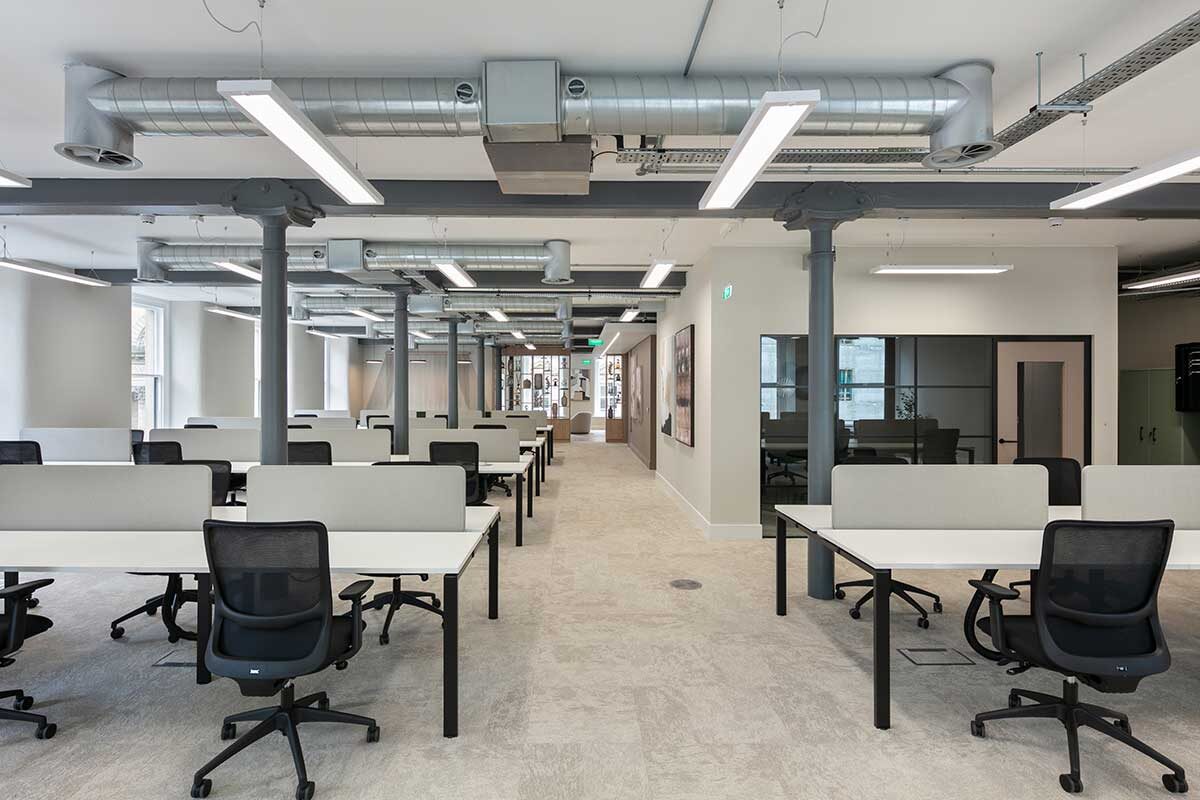
A well-designed office should support both people and performance. It should include the right mix of spaces for focused work, collaboration, meetings and informal interaction. It should also consider lighting, acoustics, furniture, technology and future flexibility.
This is where workplace strategy becomes essential. Before choosing or fitting out a space, it is important to understand what the business needs now and what it may need next. Otherwise, teams can quickly outgrow the layout or end up with space that does not support daily work.
By assessing working patterns, growth plans and operational needs, we help businesses make informed workspace decisions. This ensures the final environment supports the business, rather than simply filling a floorplate.
Managed Offices and Fit-Outs: A Flexible Middle Ground
For some businesses, the answer is not simply coworking or a fully traditional office. Managed offices and flexible fit-out models can offer a middle ground.
These spaces can provide more privacy and brand control than coworking, while still offering flexibility. They may include managed services, shorter agreements and built-in facilities. At the same time, businesses can often create a more tailored environment than they would in a shared coworking setting.
This approach can suit growing teams that need a dedicated identity but are not ready for a long lease or full property commitment. However, the same principle applies. The decision should be led by strategy, not just availability.
The best workspace choice depends on business maturity, team size, working style and growth plans.
Coworking spaces are often useful when flexibility is the priority. They work well for early-stage teams, project groups and businesses testing new locations. However, as teams grow, private offices often provide greater control, privacy and cultural value.
A private office can support brand identity, improve team cohesion and create a more consistent workplace experience. Moreover, with the right design approach, it can adapt as the business changes.
Ultimately, the workspace should help the business move forward. It should support how people work today, while also allowing room for what comes next.
At ADT Workplace, we help organisations understand their needs, find the right space, design around their people and deliver workplaces built for long-term success.Choosing the Right Workspace for Long-Term Growth