Work has changed significantly in recent years. As a result, office design has had to change too. Businesses can no longer rely on traditional layouts built around fixed desks and static routines. Instead, they need workplaces that reflect how people really work today.
In many offices, employees now split their time between focused work, meetings, video calls, collaboration and informal catchups. Therefore, workplace design must support a wider range of behaviours. A successful office is not only attractive. It must also be practical, flexible and aligned with how teams use the space every day.
Why work behaviours now shape office design
Modern office design starts with understanding people. Rather than asking how many desks are needed, businesses should ask how their teams behave throughout the day.
For example, some employees need quiet areas for concentrated work. Others spend more time in collaborative sessions or online meetings. Meanwhile, leadership teams may require spaces for private discussions, and visiting clients may need welcoming meeting areas. Because of this, office design should respond to varied needs instead of forcing everyone into the same type of environment.
This is where behaviour-led workplace design becomes so valuable. It helps create spaces that reflect actual usage patterns, not outdated assumptions. In turn, businesses can make better decisions about layout, zoning and space allocation.
How behaviour influences layout and zoning decisions
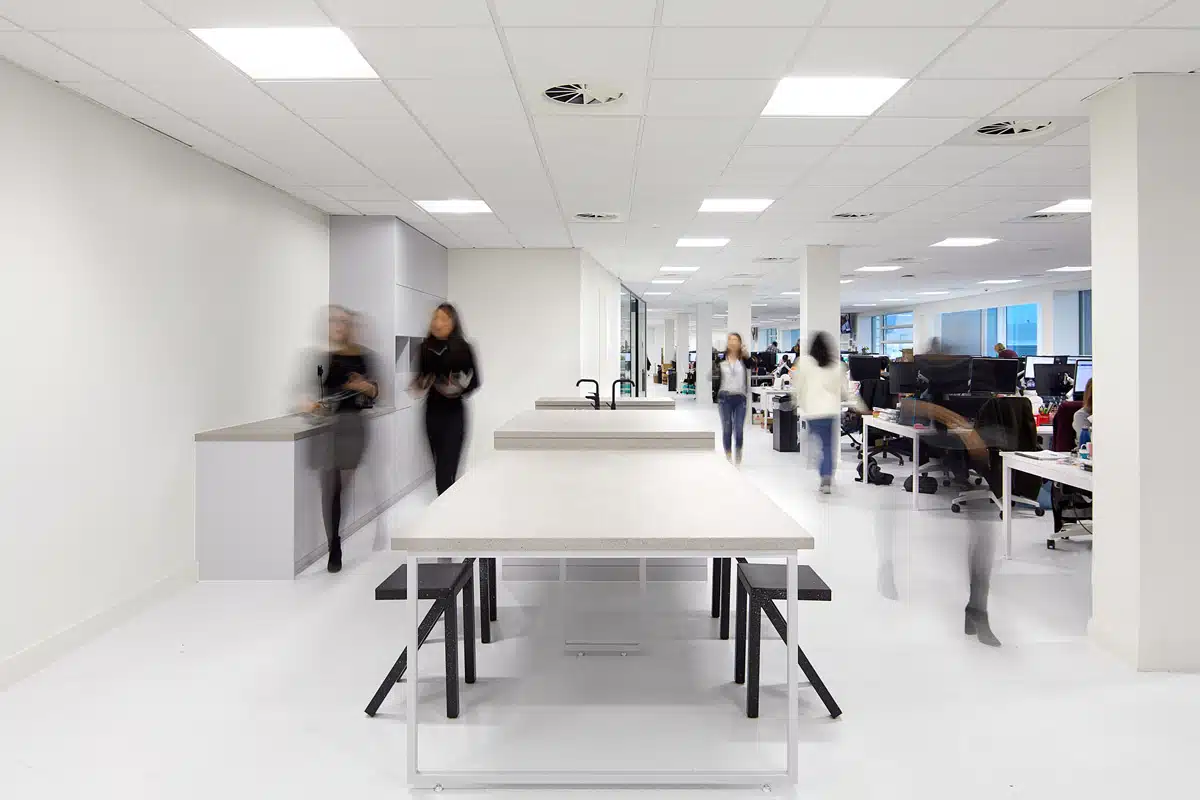
Creating spaces for different types of work
A well-designed office includes a mix of settings. This matters because modern work rarely happens in one consistent way.
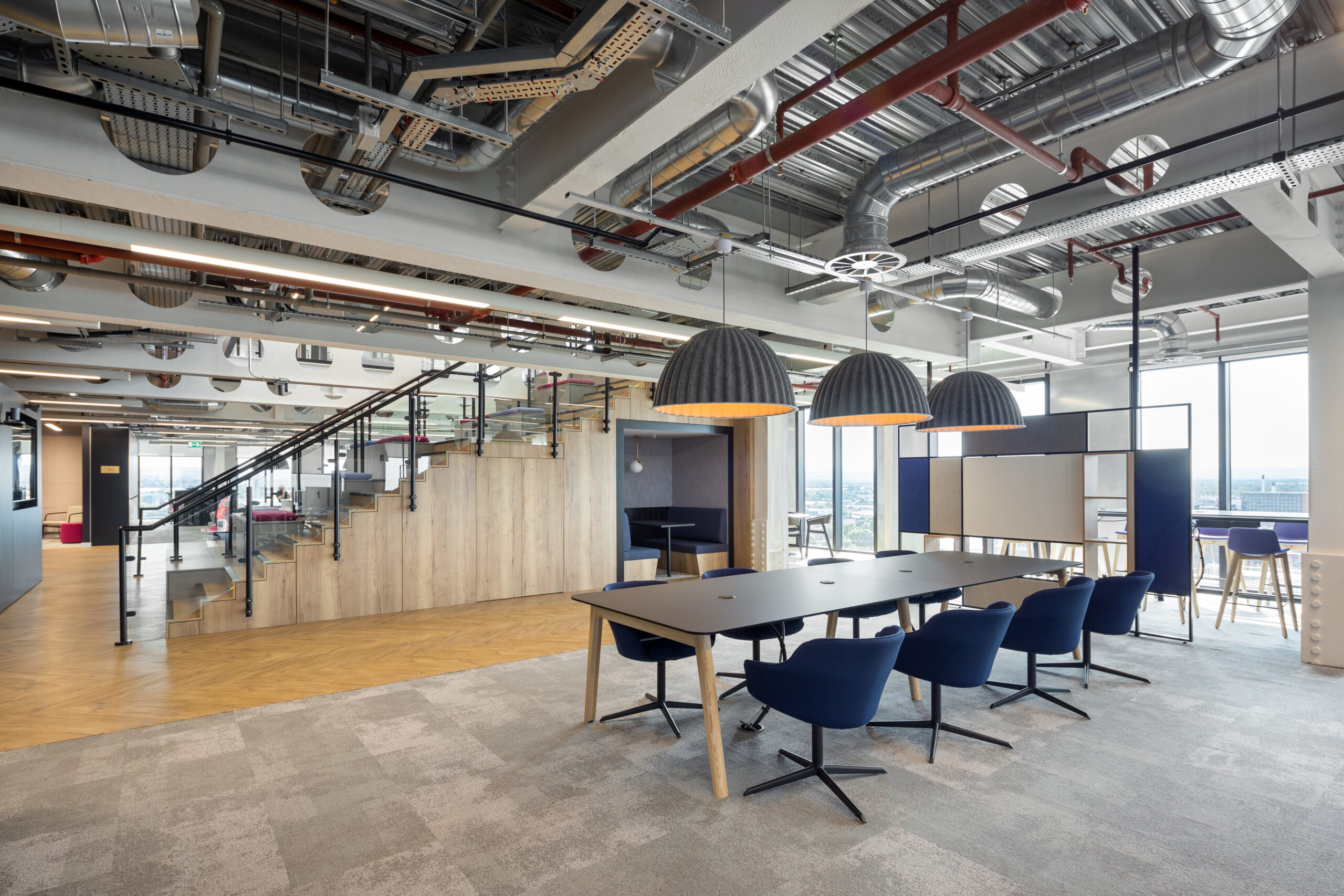
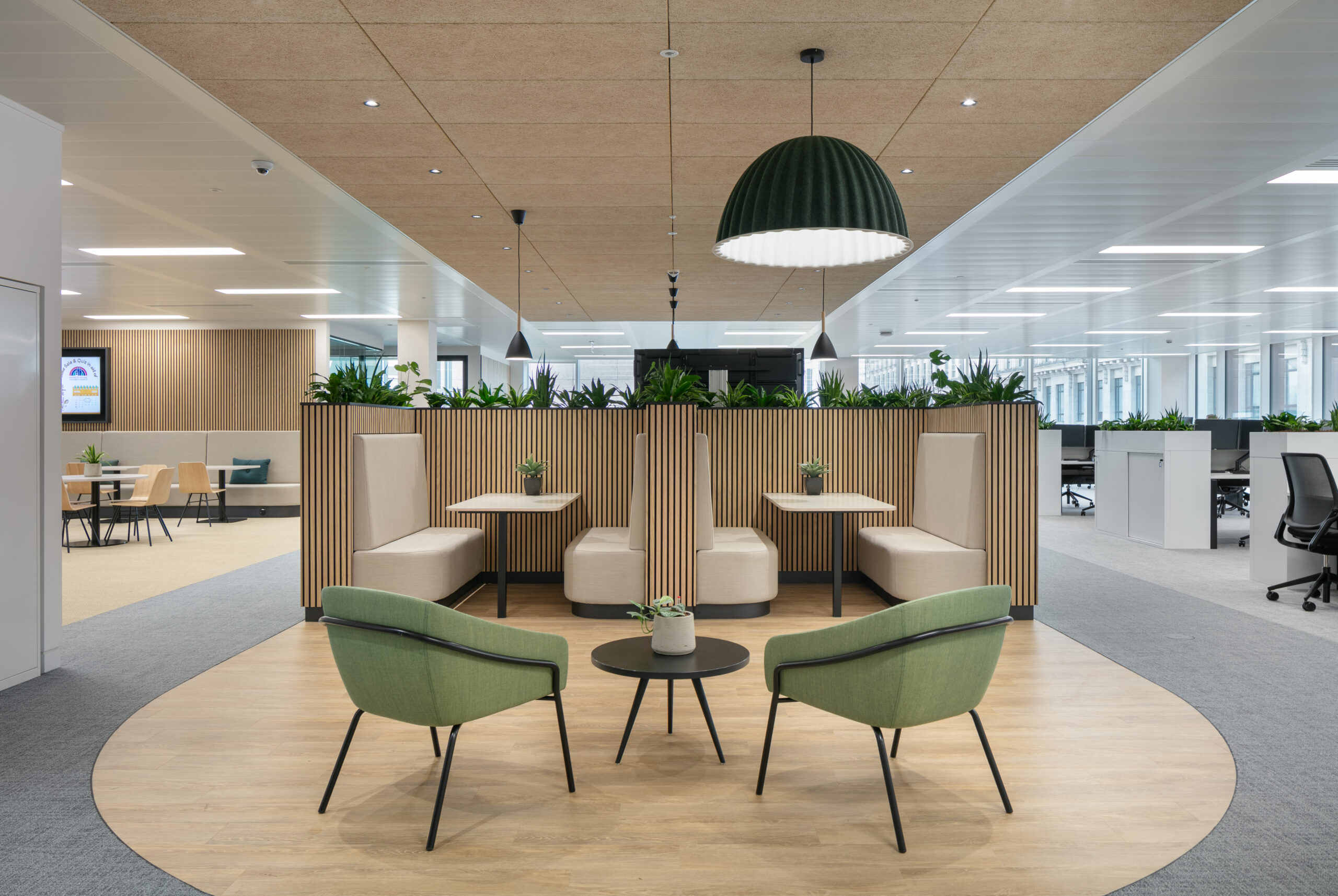
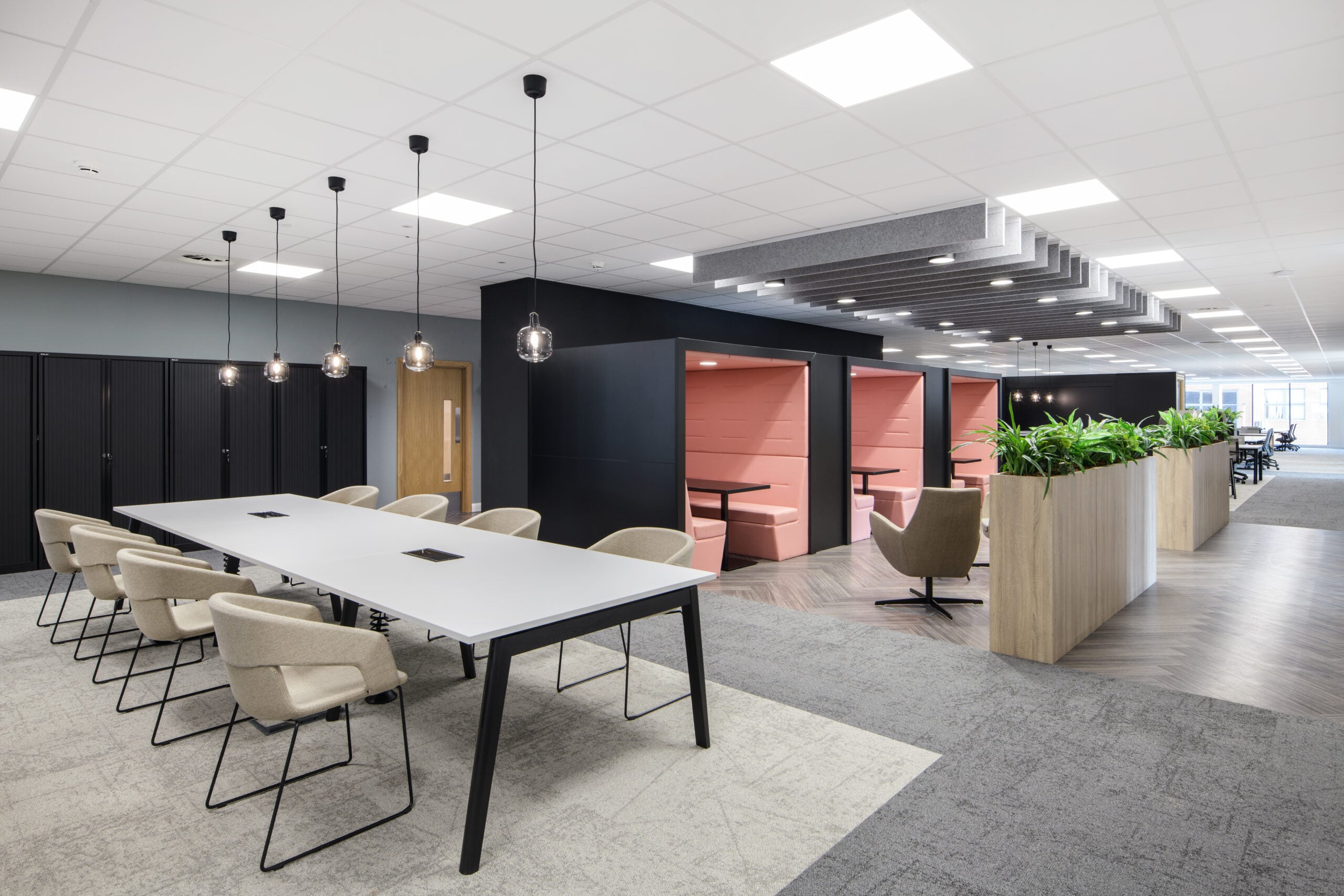
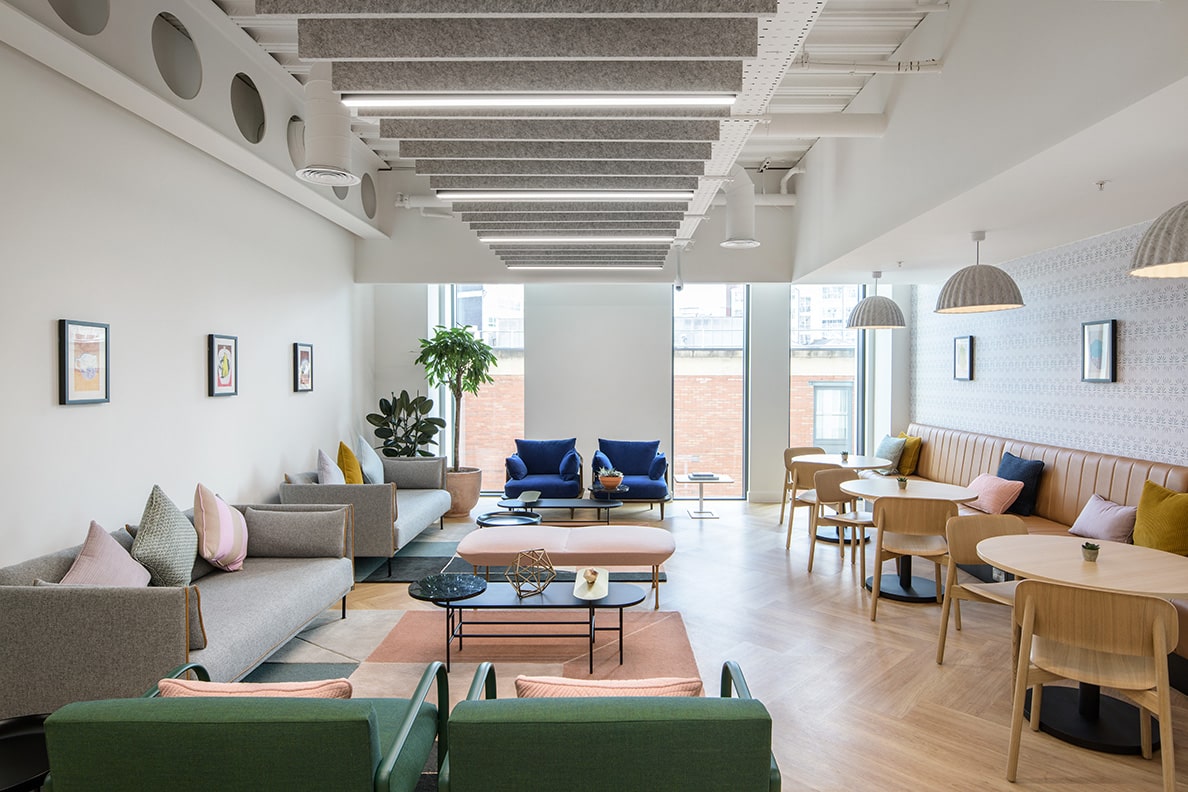
Some teams need quiet zones for focused tasks. Others need collaborative areas for group work and idea sharing. Breakout spaces can support informal conversations, while meeting rooms provide structure for more formal discussions. In addition, pods or phone booths can help employees manage calls and virtual meetings without disturbing others.
When these areas are planned properly, employees can choose the right setting for the task in front of them. As a result, the office becomes easier to use and more effective overall.
Improving movement through the workplace
Behaviour is also influenced by how people move around a space. If circulation routes are poor, the office can feel awkward and disruptive. On the other hand, a workplace with clear flow can support smoother movement and better day-to-day use.
For instance, noisy collaborative zones should not interrupt focus areas. Similarly, private rooms should be easy to access without cutting through busy spaces. Therefore, strong office design considers workplace flow, adjacency and accessibility from the start.

Why traditional desk-based office design no longer works
Traditional desk-based design was built for a very different way of working. In the past, most employees came into the office every day, sat at the same desk and followed similar routines. That is no longer the case for many businesses.
Hybrid working has changed expectations. Teams now use the office more selectively, and often with a different purpose. Instead of coming in simply to sit at a desk, employees may come in to meet colleagues, share ideas, attend workshops or work together on key projects.
Because of this, rows of underused desks can quickly become an inefficient use of space. Although desks still matter, they should no longer dominate workplace strategy. Instead, offices should provide a better balance between individual work, teamwork and flexible use.
How offices are adapting to support different work patterns
Office design now needs to support a broader mix of behaviours and schedules. This means workplaces must adapt to changing work patterns, not resist them.
Flexible layouts support changing needs
Flexible layouts allow businesses to respond as teams evolve. For example, modular furniture, adaptable meeting areas and multi-use zones make it easier to adjust the workplace over time.
This flexibility is especially useful for growing businesses or organisations reviewing how much space they need. It also helps companies avoid costly changes later. Moreover, it allows the office to stay relevant as work habits continue to shift.

Collaboration and focus both need space
Many modern offices place a strong emphasis on collaboration. That makes sense, because the office often serves as a destination for teamwork and shared activity. However, collaboration should not come at the expense of focus.
Employees still need areas where they can think clearly, complete detailed tasks and work without interruption. Therefore, the best office design creates balance. It supports energy and interaction while still making room for quieter, more concentrated work.
The office must earn the commute
Today, the office has to offer something meaningful. Employees have more choice over where they work, so the workplace needs to feel useful, comfortable and worth travelling to.
That is why office design now places greater focus on experience. Natural light, acoustics, comfort, technology integration and welcoming shared spaces all play an important role. Together, these elements help create an environment that people actively want to use rather than simply attend out of routine.
The business value of behaviour-led workplace design
Designing around behaviour is not only good for employees. It also makes commercial sense.
A workplace that reflects real work patterns can improve space utilisation, reduce wasted areas and support better performance. In addition, it can strengthen company culture, improve employee experience and help businesses make smarter property decisions.
When office design is aligned with how people actually work, the result is a workplace that performs better now and remains more adaptable in the future.
Office design should never be based on appearance alone. It should be shaped by how people behave, how teams interact and how work happens from day to day.
As working patterns continue to change, businesses need offices that are more flexible, more intentional and more responsive. That is why behaviour-led workplace design has become so important. It helps create environments that support focus, collaboration, movement and long-term performance.
If you are rethinking your office space, we can help you design a workplace that works around your people, not the other way around.Designing workplaces around how people really work