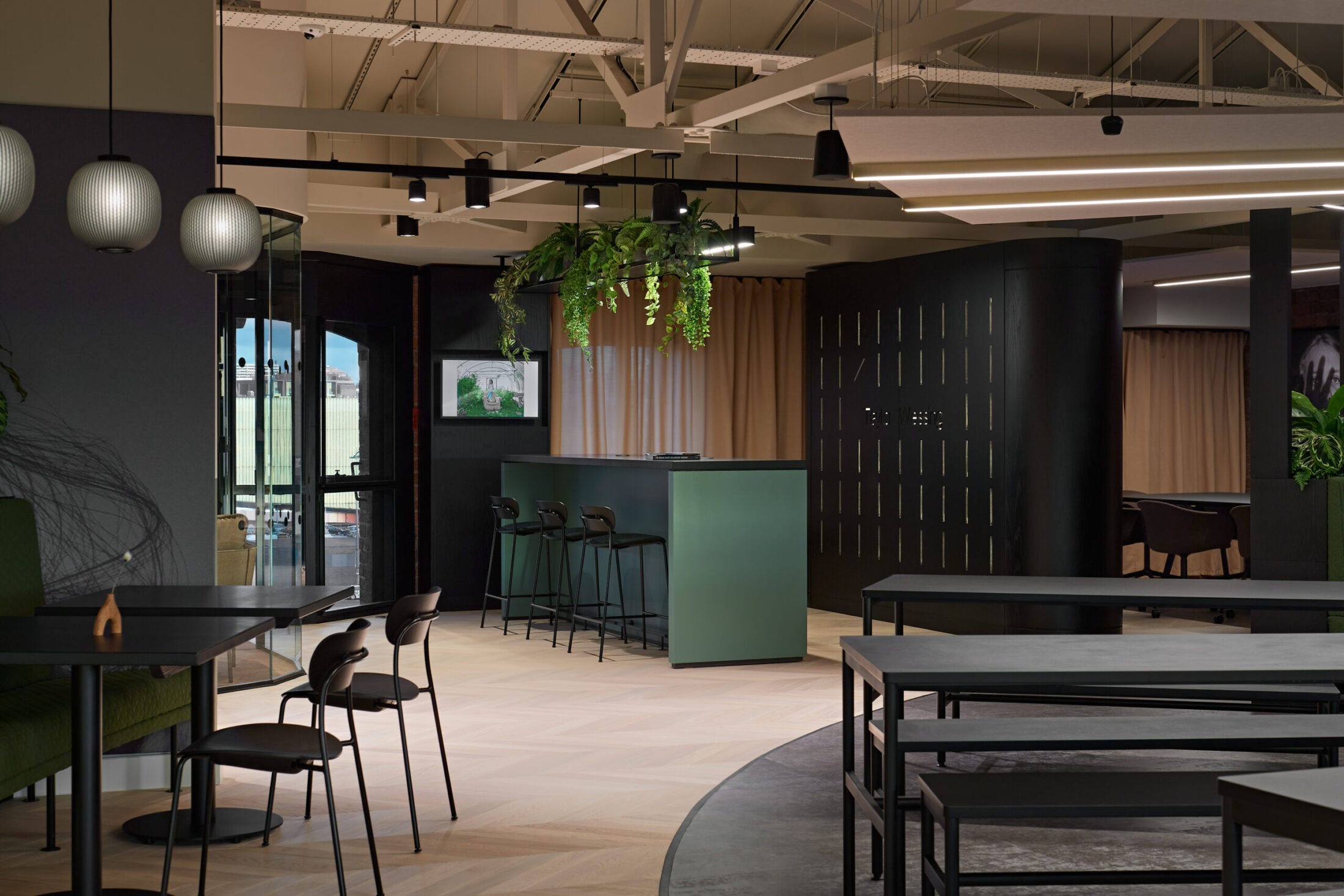
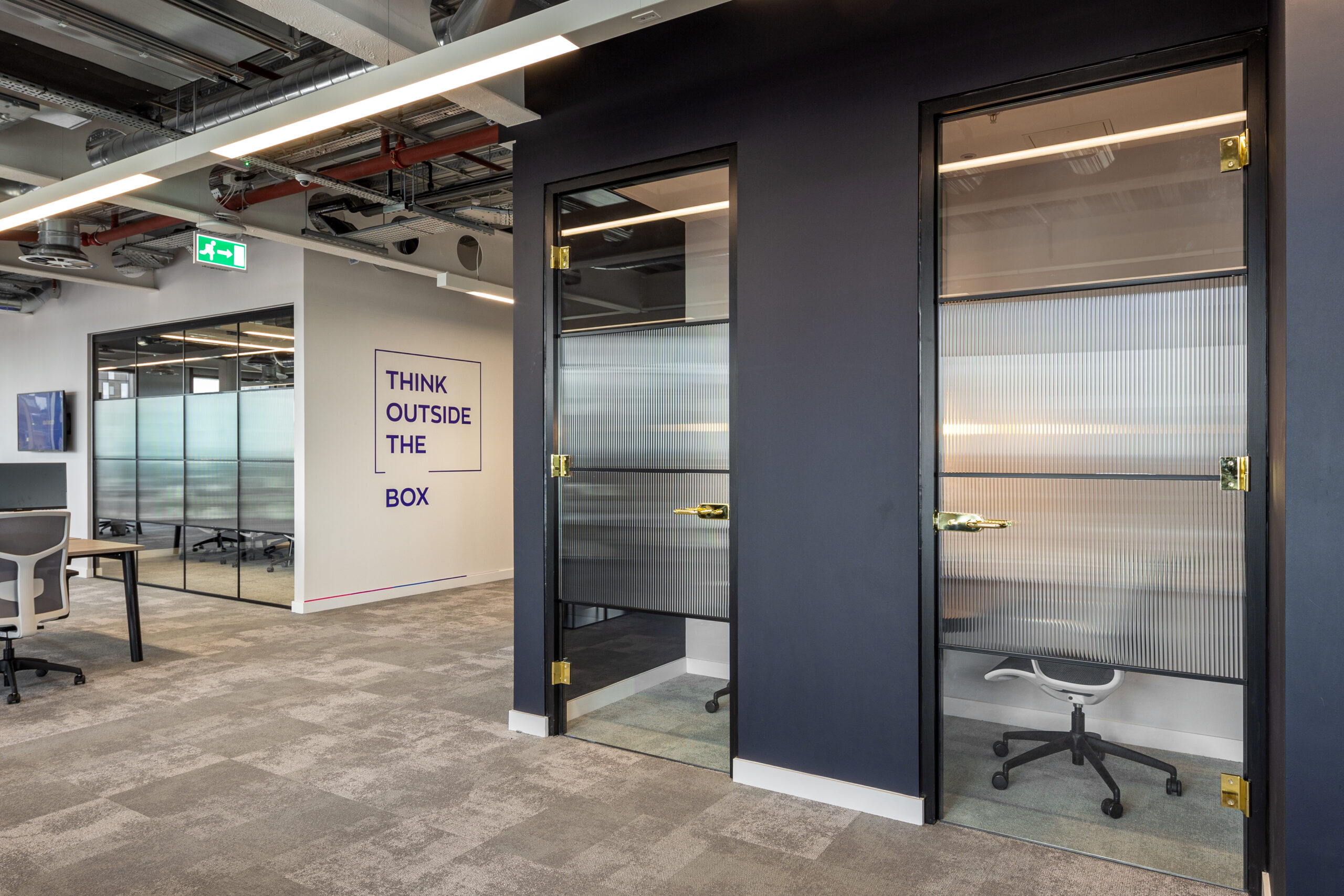
Activity-based working is often talked about as the future of the office. However, many businesses still are not sure what it means in practice. More importantly, they do not always know whether it suits their team, culture or workspace.
In simple terms, activity-based working means creating a workplace with different settings for different tasks. Rather than expecting every employee to sit at the same desk all day, the office is designed to support a wider range of activity. That could include focused individual work, team collaboration, private meetings, informal catch-ups and quiet thinking time.
Although the idea sounds straightforward, making it work takes more than adding a few breakout spaces. A successful activity-based office must reflect how your people actually work. Otherwise, you risk creating impressive-looking areas that rarely get used.
What activity-based working really means today
In a modern office, activity-based working is less about removing desks and more about improving choice. People do not all work in the same way, and they do not carry out the same tasks every hour of the day. Therefore, the workplace should offer a variety of settings that support different needs.
For example, someone writing a report may need a quiet area with minimal distraction. Meanwhile, a project team may need an open space with room to talk, share ideas and review work together. At the same time, managers may need enclosed meeting rooms for confidential conversations or client calls.
This is why activity-based working is closely linked to workplace strategy. It is not simply a design trend. Instead, it is a response to changing work patterns, hybrid attendance and a better understanding of how office space is actually used.

Why fixed desk layouts no longer reflect modern work
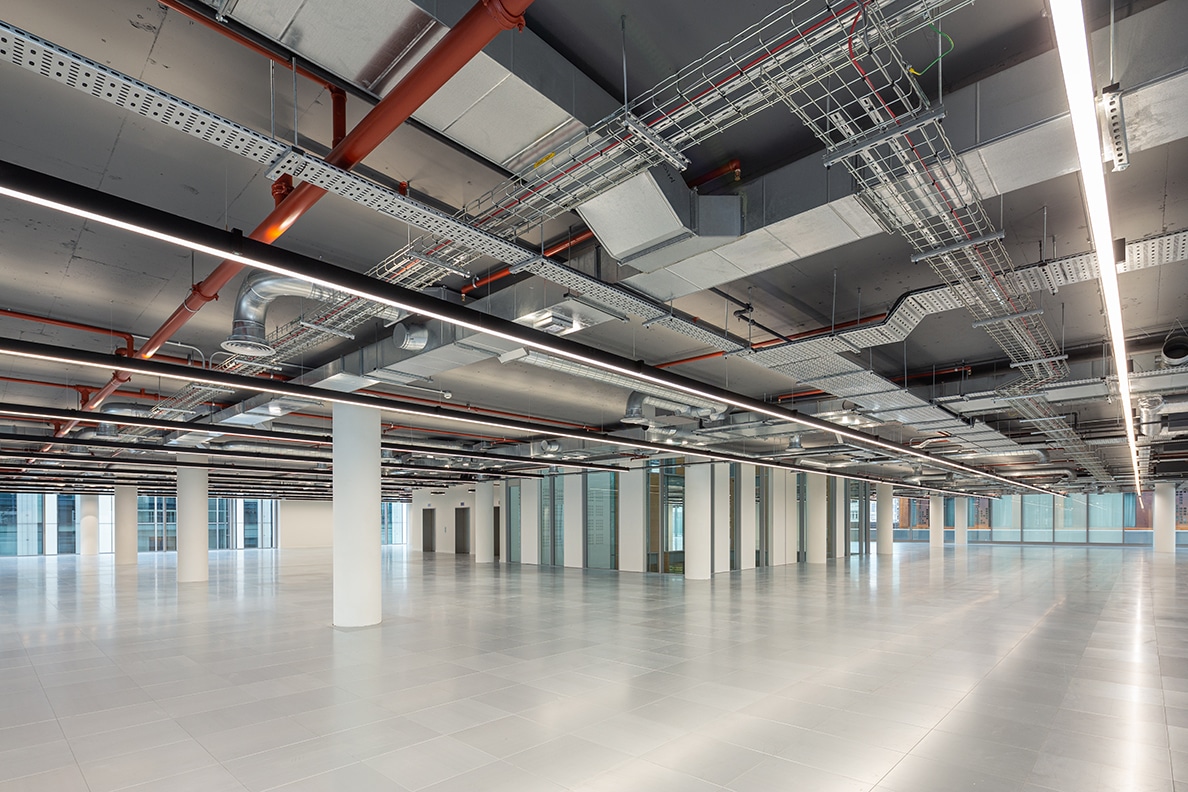
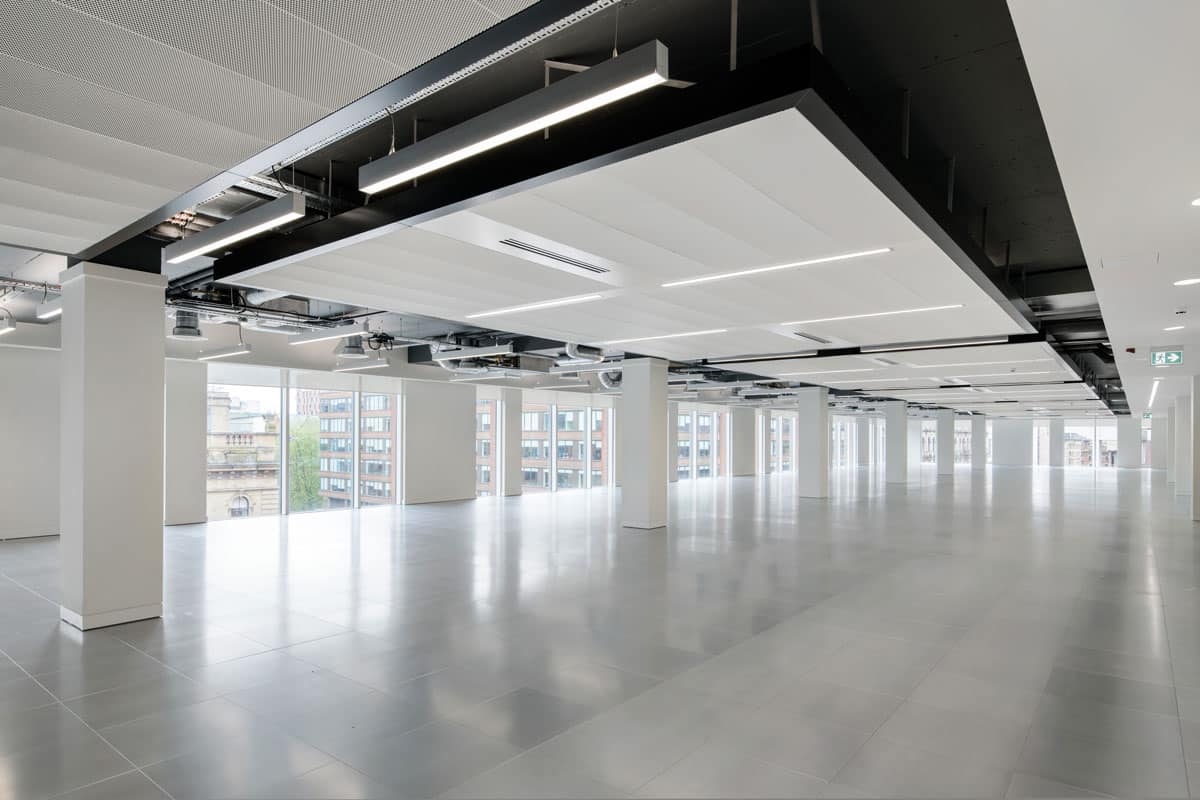
Traditional desk-based layouts were built for a time when most people came into the office every day and carried out the majority of their work from one position. That is no longer the case for many businesses.
Today, office attendance often changes throughout the week. Teams move between home and office working. Meetings happen both in person and online. Focus work, collaboration and social interaction all need different environments. As a result, rows of identical desks can leave businesses with underused space in one area and overcrowding in another.
That does not mean every office should remove assigned seating. In some businesses, fixed desks still make sense. However, many companies benefit from a more flexible layout that supports a broader mix of activity. The key is understanding what your team needs before making design decisions.
What spaces are needed in an activity-based office?
A well-planned activity-based workplace usually includes a mix of spaces, rather than one dominant setting.
Focus areas are important for quiet, concentrated work. These spaces should feel calm, comfortable and separate from noisier parts of the office.
Collaborative zones support teamwork, workshops and shared problem-solving. These areas often benefit from flexible furniture, writable surfaces and enough space for groups to gather naturally.
Meeting rooms remain essential, especially for private discussions, video calls and formal presentations. In addition, informal meeting points can help teams connect without needing to book a room.
Breakout and social spaces also play an important role. They encourage casual interaction, help people reset during the day and often support the cultural side of office life just as much as the functional side.
Finally, touchdown spaces can work well for hybrid teams. These are useful for short visits, quick laptop work and staff who are not based in the office full time.
How to decide whether it is right for your business
Not every business needs a fully activity-based office. Therefore, the right question is not whether the idea is popular. It is whether it fits your people and your operations.
Start by looking at how your team uses the workplace now. Which spaces are busy? Which ones are ignored? When do people need privacy, and when do they need to work together? You should also consider occupancy patterns across the week, the level of hybrid working and whether departments work in similar or very different ways.
Culture matters too. Activity-based working tends to work best where there is trust, flexibility and clear communication. If your business relies heavily on routine, fixed equipment or strict departmental structure, a more balanced model may be better.
This is where workplace consultancy and space planning are valuable. Before changing the office layout, it is important to understand behaviour, workflow and business goals. A design should follow evidence, not assumptions.
Common mistakes to avoid
One of the most common mistakes is reducing desk numbers without improving the rest of the workplace. If people lose workstations but gain nothing useful in return, frustration builds quickly.
Another issue is over designing the office. Too many niche spaces can leave businesses with areas that look good on a plan but serve little day-to-day purpose. In contrast, the most effective workplaces are practical, flexible and easy to use.
Technology is another factor that cannot be overlooked. If people are expected to move around the office, they need reliable connectivity, booking systems where necessary and spaces that support both in-person and digital work.
Finally, businesses sometimes introduce flexible design without preparing teams for change. A workplace can only support new behaviours if people understand how to use it and why it has been designed that way.

Activity-based working can bring real value when it is planned properly. It can support focus, collaboration, flexibility and better use of space. However, it is not a one-size-fits-all model.
The best results come from designing around real behaviour, not broad workplace trends. That means understanding how your people work, which spaces they need most and how your office can support performance without wasting valuable floor space.
If you are planning an office fit-out or refurbishment, we can help you assess whether activity-based working is right for your business and shape a workplace strategy that works in practice.A smarter way to approach activity-based working