A successful office fit out should do more than look impressive. It should help people work well from the moment they arrive to the moment they leave. That means supporting focus, conversation, problem-solving, private calls, informal catch-ups and everything in between.
Too often, offices are planned around how a business wants to appear rather than how people actually work. As a result, beautiful spaces can still feel frustrating to use. Meeting rooms stay empty, breakout areas become overflow desk space and open-plan layouts create more distraction than energy.
We take a different approach. We design office fit outs around daily behaviour, practical needs and business goals. Therefore, the finished space does not just look right. It works hard every day for the people using it.
Why Some Offices Fail to Function Properly
Many office environments fail because they rely on assumptions. A business may think its team wants more open space. However, staff may really need quieter areas for focused work. Likewise, a company may invest heavily in feature spaces that look impressive, yet rarely get used.
This usually happens when design decisions are based on trends instead of evidence. If the office does not reflect real routines, it quickly starts to work against the team. People begin taking calls in corridors, using meeting rooms for solo tasks or avoiding certain areas altogether.
Over time, that creates friction throughout the working day. It can slow tasks down, reduce comfort and make the office feel less useful than it should. So, before any fit out begins, it is important to understand how the space needs to perform in practice.
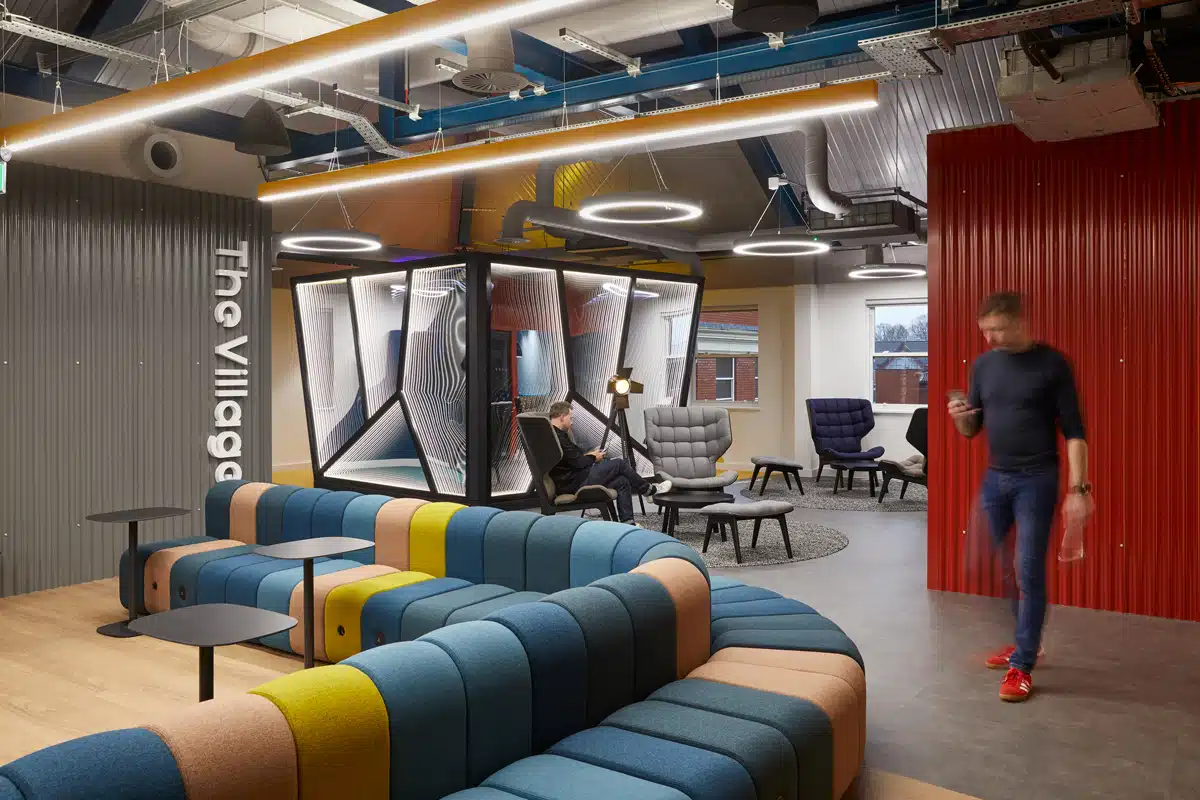
Designing Around Real Daily Behaviour
Every working day includes different tasks, different energy levels and different types of interaction. Because of that, office fit out design should support a range of behaviours rather than a single way of working.
For example, someone may start the morning with focused work, move into a team discussion before lunch and then need a quiet booth for an afternoon video call. Another person may spend most of the day moving between collaboration zones, touchdown spaces and informal meetings. A well-designed office allows both of those patterns to happen naturally.
This is where workplace strategy becomes so important. We look at how your teams work now, what is causing friction and which spaces are missing. Then, we use that insight to shape layouts, zoning and furniture choices that support the full rhythm of the day.
As a result, the office becomes easier to use and more effective for everyone.
The Importance of Balance in an Office Fit Out
One of the biggest challenges in modern office fit out design is balance. Businesses need spaces that encourage collaboration. Yet they also need areas that protect focus and reduce disruption.
If there is too much open space, noise and movement can become a problem. On the other hand, if the layout is too segmented, teams can feel disconnected. The best fit outs create a thoughtful mix of settings, so people can choose the right environment for the task in front of them.
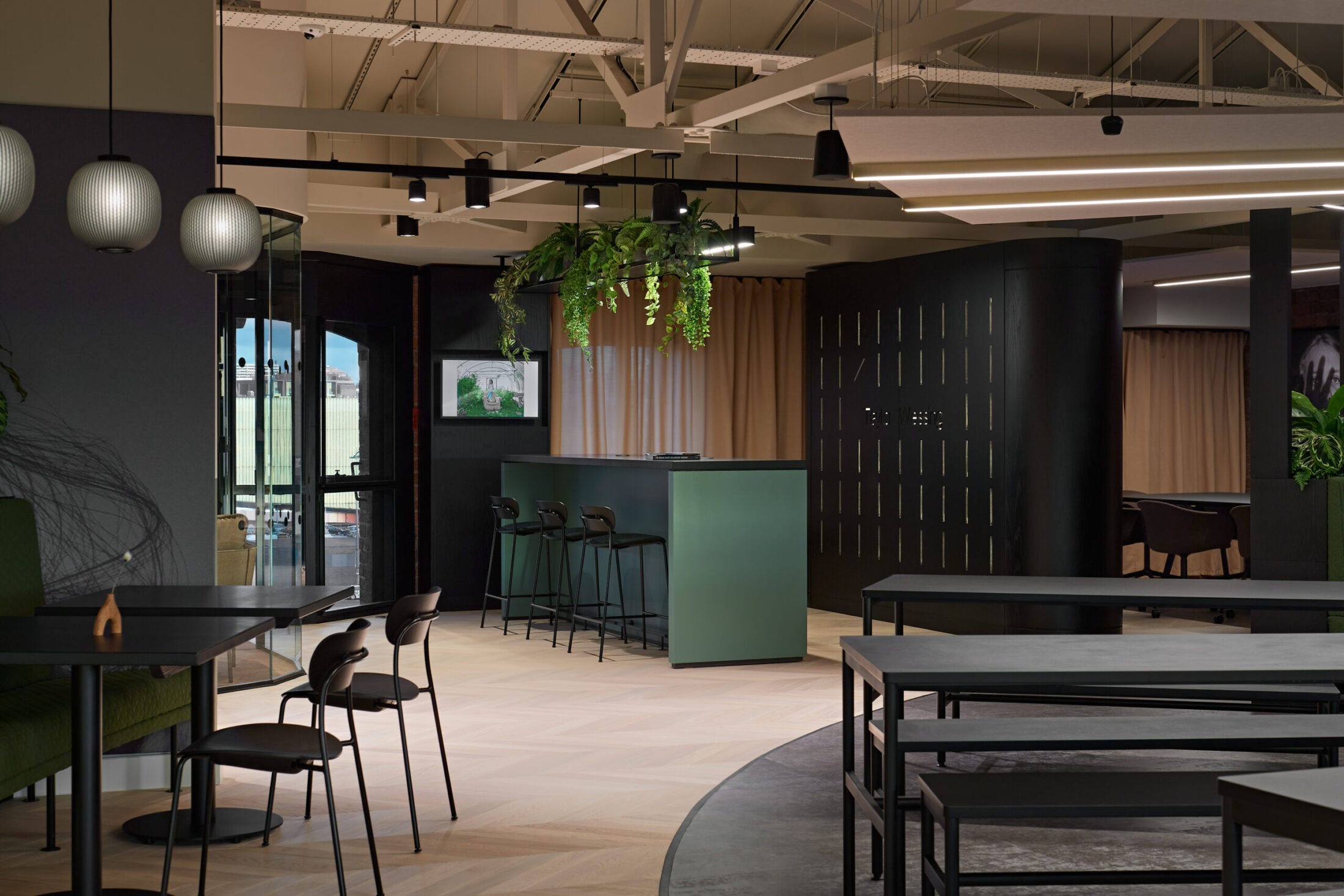
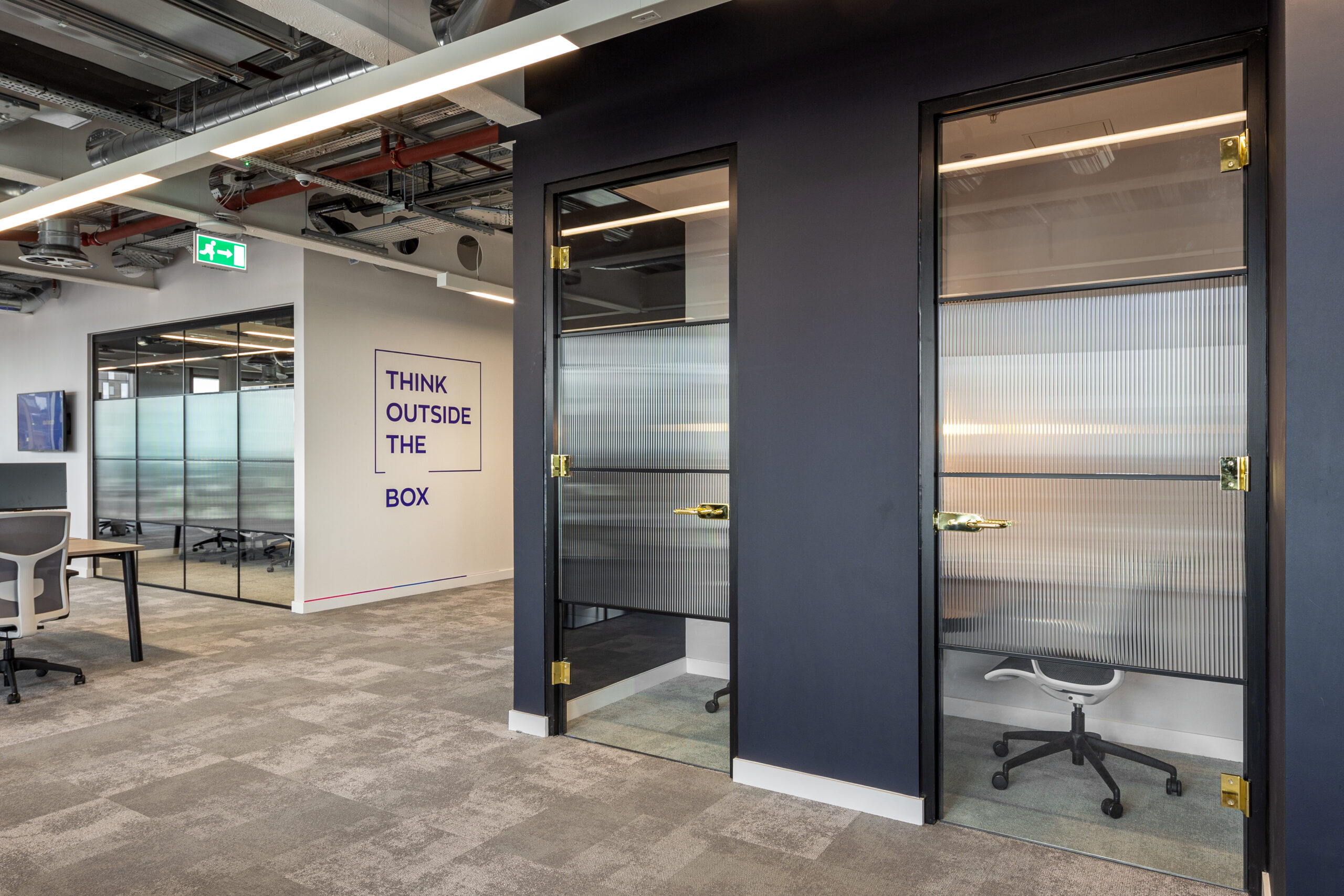
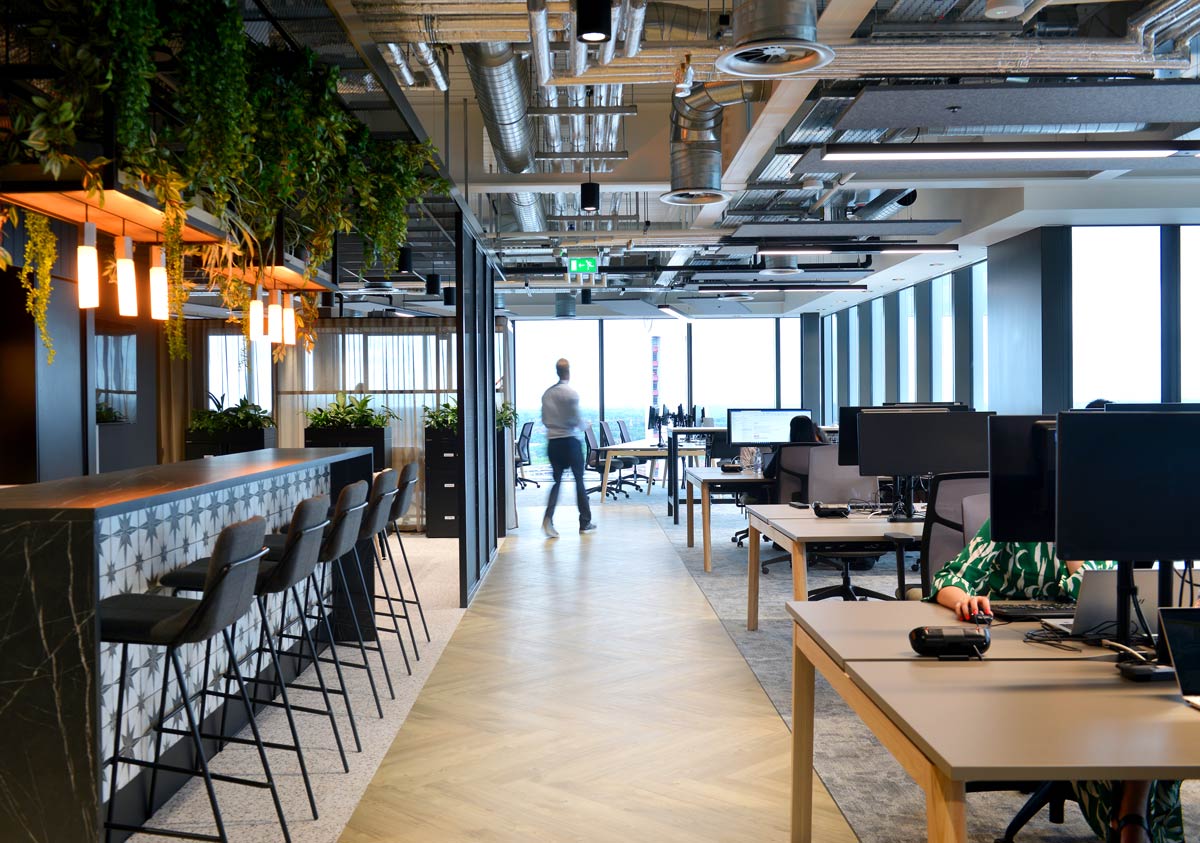
That may include open collaboration areas, enclosed meeting rooms, quiet focus zones, phone booths, social spaces and flexible touchdown points. Importantly, these areas need to feel connected rather than random. Good zoning creates a natural flow through the office and gives each space a clear purpose.
Therefore, people are more likely to use the environment as intended.

Creating Spaces People Actually Use
An office should not be filled with areas that look good on a plan but add little value in reality. Instead, every part of the fit out should earn its place.
That starts with asking practical questions. Where do informal conversations happen now? Which spaces are always busy? Which ones are avoided? Where do people go when they need privacy? Once those patterns are clear, the design can respond properly.
Furniture also plays a major role. Ergonomic seating, adaptable desks and well-placed storage can make day-to-day work more comfortable and efficient. Likewise, lighting, acoustics and power access all affect whether a space feels usable or inconvenient.
Even social areas need careful thought. A breakout space should not just be added because every modern office has one. It should be positioned and designed to support the way your teams interact, pause and reset during the day.
When these decisions are made well, people use the office more naturally. Consequently, the workplace feels more intuitive, more supportive and more valuable to the business.
Human-centred design is not about adding extras for the sake of it. It is about making sure the office supports the people using it. That means considering comfort, movement, choice, technology and wellbeing at every stage of the fit out.
We design offices that support hybrid working, focused tasks, collaboration and everyday flexibility. We also make sure the space reflects your brand, supports your operations and remains practical over time. In other words, the office needs to perform for your people while still delivering commercial value.
A strong office fit out should feel easy to use. It should remove friction, support productivity and make the working day run better. That is what turns a fitted space into a high-performing workplace.
If you are planning a new office fit out or rethinking your current space, we can help you create an environment built around real work, real behaviour and long-term business needs.A Human-Centred Approach to Workplace Functionality