DESIGNING OFFICES THAT SUPPORT MENTAL HEALTH
The modern workplace is evolving. No longer is it just about desks and deadlines; it’s about people. With mental health taking centre stage in employee wellbeing strategies, office design must go beyond aesthetics. It should foster psychological safety, reduce anxiety, and promote a sense of calm and belonging.
Designing for mental wellbeing requires an understanding of how physical spaces influence emotional states. Below are some key techniques used in high-performing workplaces to support psychological health.
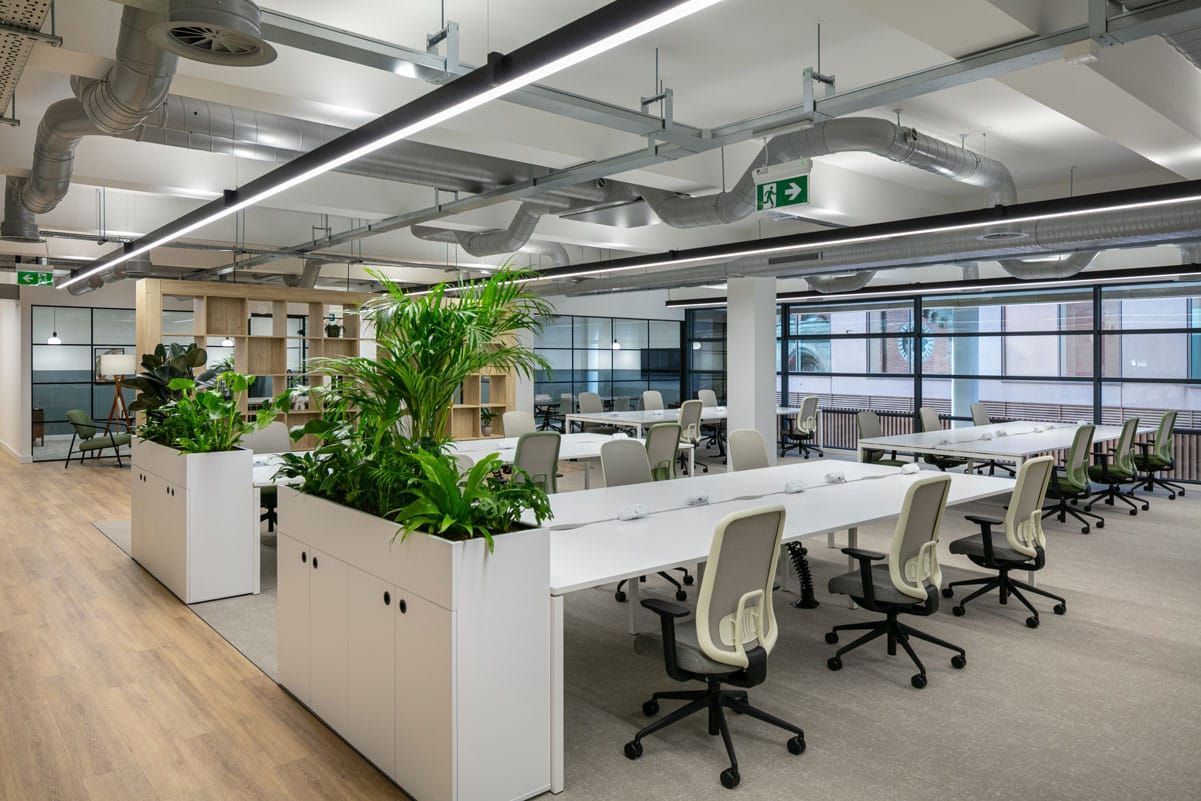
Natural light is proven to improve mood and energy levels. Offices with large windows, skylights, and glass partitions feel more open and less oppressive. Coupled with good ventilation and air quality, these elements create a refreshing and comfortable atmosphere that supports mental clarity and reduces fatigue.
Bringing nature indoors through plants, green walls, or natural materials can significantly reduce stress. Biophilic design not only beautifies the space but also promotes calmness, focus, and recovery from mental fatigue. Even small touches like potted plants or timber finishes can make a big difference.
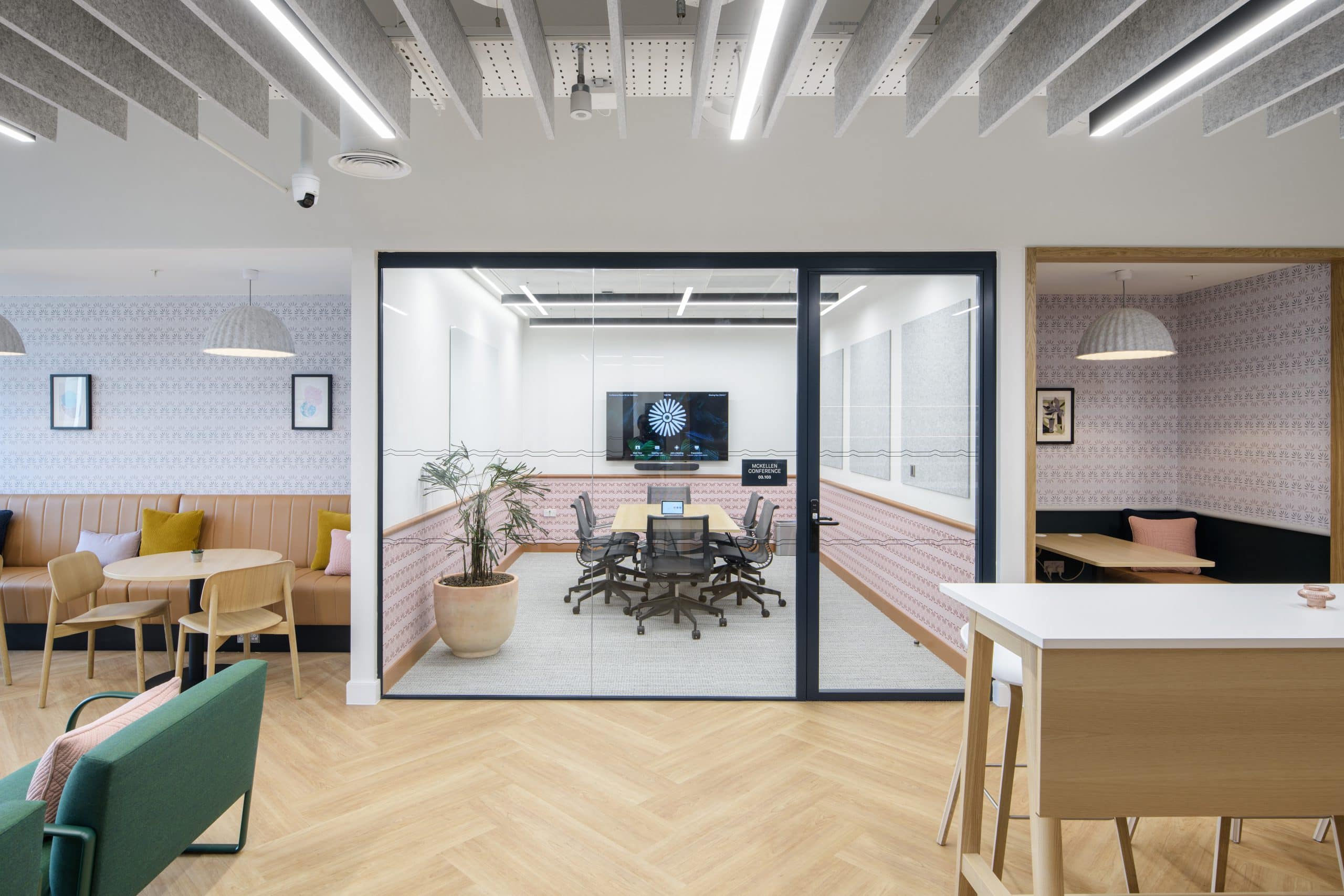
Open-plan offices have benefits but can overwhelm some individuals. Providing a variety of spaces, such as quiet pods, wellness rooms, and soft seating areas, gives employees autonomy to choose their ideal environment. This flexibility supports different personality types and working styles, promoting psychological safety.
Noise is one of the most common sources of workplace stress. Designers can mitigate this with sound-absorbing materials, carpets, acoustic panels, and spatial zoning. Acoustic comfort ensures that employees can concentrate without constant interruptions, fostering a calmer, more productive space.
Colours have a powerful impact on mental health. Blues and greens can have a calming effect, while warm tones may encourage creativity and sociability. A balanced palette throughout the office can help regulate emotions and energy levels throughout the day.
A workplace that puts mental health first signals care and empathy. Integrating mental health initiatives into design, such as signage for wellbeing spaces, access to outdoor areas, or digital detox zones, reinforces a culture where employees feel supported, valued, and safe to speak up.
Good design is inclusive. Considerations such as wheelchair accessibility, neurodiversity-friendly layouts, and gender-neutral facilities ensure all staff feel welcome and respected. Psychological safety is built when everyone can access and navigate the space with dignity.
One of the strongest ways to support mental health is to offer choice. Whether it is the freedom to move between quiet and collaborative spaces, adjust lighting at a desk, or step into a private booth, giving control to the individual reduces stress and boosts satisfaction.