Planning a workplace project often starts with layouts, finishes and visual ideas. However, good design should never begin there. Before any office can be shaped properly, there needs to be a clear understanding of how the business operates, how teams work and how the space is actually being used.
That is why workplace consultancy matters. Rather than relying on assumptions, we begin with insight. By looking closely at behaviours, utilisation and business priorities, it becomes far easier to make decisions that support performance, culture and growth.
Good design starts with the right insight
A workplace can look impressive on a plan and still fall short in reality. In many cases, that happens because the brief has been shaped by opinion rather than evidence. A business may think it needs more desks, extra meeting rooms or even a larger office. Yet the real issue may be poor flow, underused areas or a layout that does not reflect the way people work day to day.
Starting with workplace consultancy helps avoid that problem. It gives the project a stronger foundation by identifying what is really happening in the current environment and what needs to change. As a result, later decisions become more accurate, more relevant and more valuable.
Understanding how people really work
Many workplace projects are built around how organisations think people work, rather than how employees actually behave. In practice, most teams need a mix of settings to support different tasks across the day. Quiet focus, informal catch-ups, collaboration, online meetings and private conversations all need to be considered.
For that reason, understanding behaviour is a critical first step. Strategic workshops, employee interviews, wellbeing and inclusivity reviews, business structure analysis and space rationalisation all help build a clearer picture. Once that insight is gathered, it becomes much easier to shape a workplace that feels natural to use and supports the needs of the wider business.
Spotting inefficiencies before they become expensive
Skipping the understanding stage can be costly. A company may assume it has outgrown its office, when in fact the issue is inefficient use of space. Equally, a new fit-out may be delivered without realising that some areas will remain empty while others are constantly overcrowded.
This early consultancy work helps identify those issues before major decisions are made. It can highlight wasted space, reveal where utilisation is weak and show whether the challenge is size, layout, working style or something else entirely. Therefore, businesses are in a much stronger position to solve the right problem first.
Aligning workplace strategy with business goals
A successful workplace should do much more than look good. It should support productivity, wellbeing, inclusivity, collaboration and long-term growth. However, those outcomes are difficult to achieve when the project brief is disconnected from the wider needs of the business.
That is where workplace strategy becomes essential. By linking the office environment to team needs, operational goals and future plans, it becomes possible to create a space with real purpose behind it. Recruitment, retention, performance and culture all become part of the conversation, rather than being treated as afterthoughts.
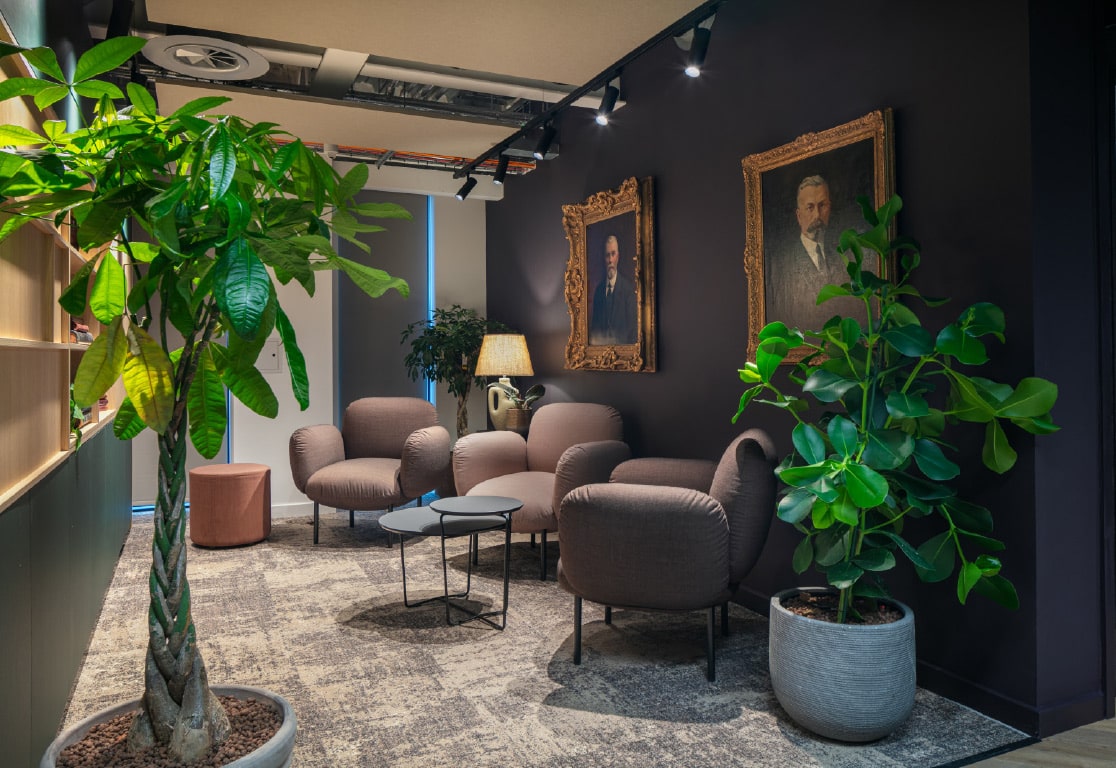
Creating a stronger brief for design and fit-out
If a workplace is going to support both people and business performance, understanding has to come first. Without that stage, even an attractive office can miss the mark. With it, the entire project benefits from greater clarity, stronger direction and better decision-making.
At ADT Workplace, we begin by helping businesses understand how their teams work, how their current space performs and what the future needs to look like. That insight creates the foundation for workplace strategy, design and delivery that is practical, considered and aligned with long-term goals.
That is why understanding your workplace should always come before design.Start with clarity, then design with purpose