Office space planning is about far more than deciding where desks and meeting rooms should go. When approached properly, it helps improve efficiency, reduce wasted space and create a workplace that supports the way people actually work. A well-planned office can strengthen productivity, support wellbeing and help your business get more value from every square foot. These themes align closely with our wider approach across workplace consultancy, office design and fit out.
As working patterns continue to change, many organisations are rethinking how their office is used. Hybrid working has shifted occupancy levels, team structures have evolved and expectations around flexibility have grown. Because of this, businesses are no longer asking only how much space they need. They are asking how to make their workplace work harder. Effective office space planning helps answer that question by creating layouts that support different work styles and make better use of available space.
What is office space planning?
Office space planning is the process of organising a workplace so it supports daily tasks, team interaction and long-term business goals. It includes desk layouts, meeting rooms, collaborative zones, breakout areas, storage, circulation routes and quieter settings for focused work. However, good planning should not begin with furniture alone. It should begin with how people use the workplace and what the business needs from the space.
A strong office layout connects design with practical use. In simple terms, that means understanding whether your teams need more collaboration areas, more privacy, more flexibility or a better balance of all three. Therefore, office space planning is not just about fitting people into a floorplate. It is about making the workplace more effective.
Why office space planning matters
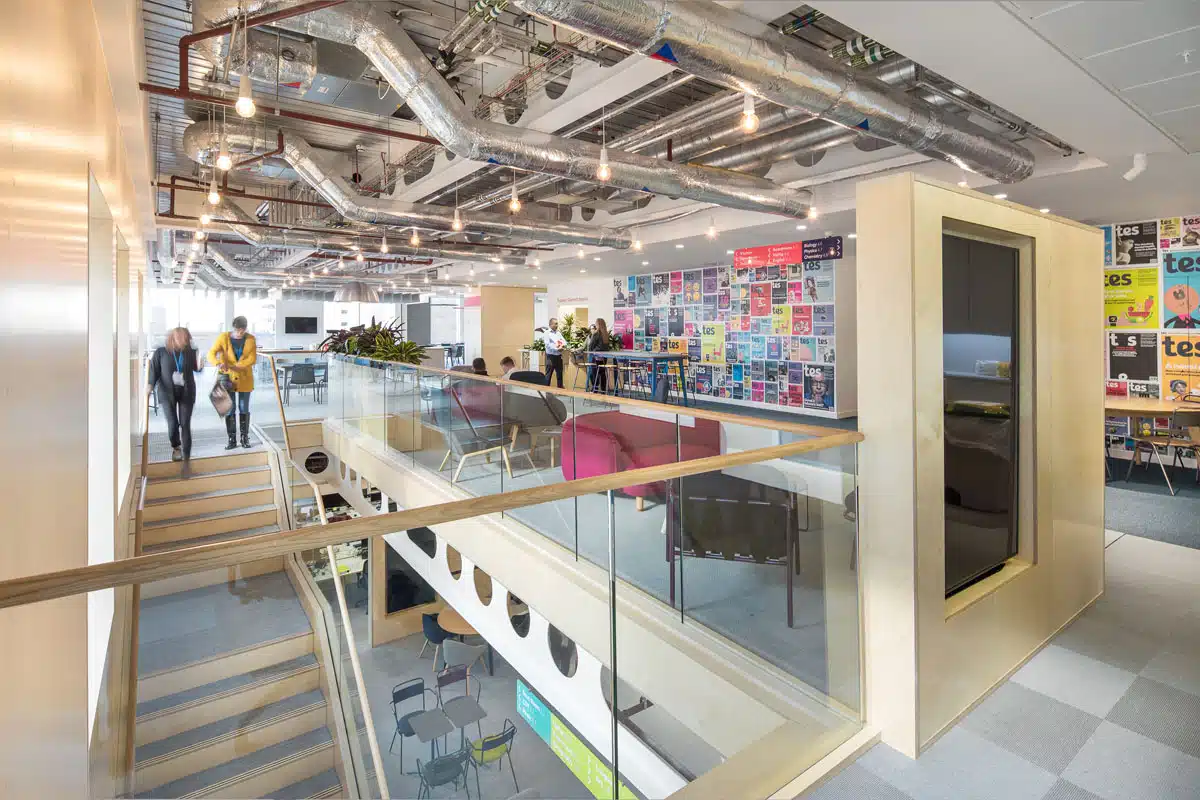
Poorly planned offices often create daily friction. You may see overcrowded desk zones, noisy open areas, meeting rooms that sit empty or layouts that do not match the way teams actually work. Over time, these issues can affect productivity, employee experience and how well the office supports the business. By contrast, a well-planned office can improve movement through the space, support collaboration and create a more comfortable environment overall.
This matters even more in a hybrid workplace. When people are not in the office every day, each area needs a clear purpose. Rather than rows of fixed desks sitting unused, many businesses benefit more from flexible settings that support meetings, project work, touchdown space and focused tasks. In other words, the workplace needs to justify its footprint.
Start with how your people work
The best office space planning starts with understanding how the workplace is used now. Before changing the layout, it helps to assess occupancy patterns, team interaction, privacy requirements and the types of work taking place across the week. Which areas are busy? Which are underused? Where do bottlenecks happen? Those questions help shape a layout that responds to real behaviour rather than assumptions.
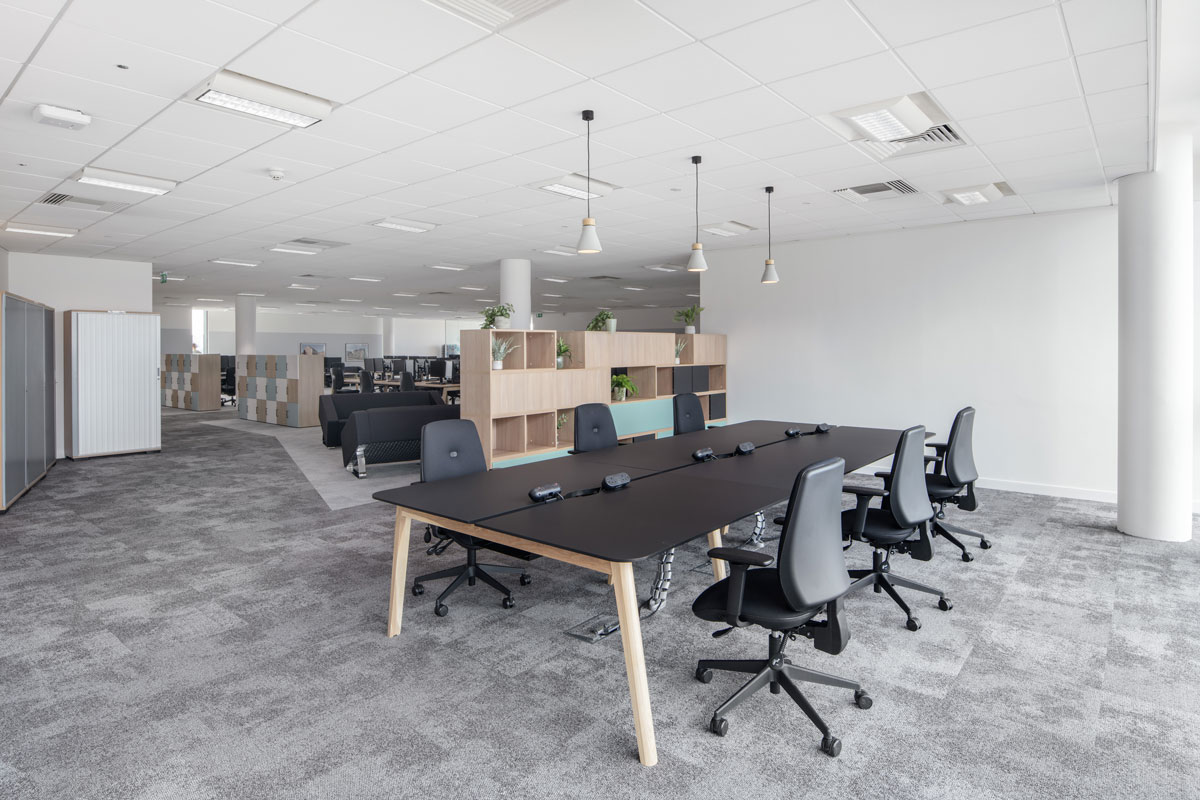
For some organisations, the office is now primarily a place for collaboration. In that case, the space may need more shared tables, informal meeting points and project zones. For others, focused work still makes up a large part of the day, so quiet areas and good acoustic control remain important. The layout should always reflect how your teams work, not simply what has worked elsewhere.
Create purposeful zones
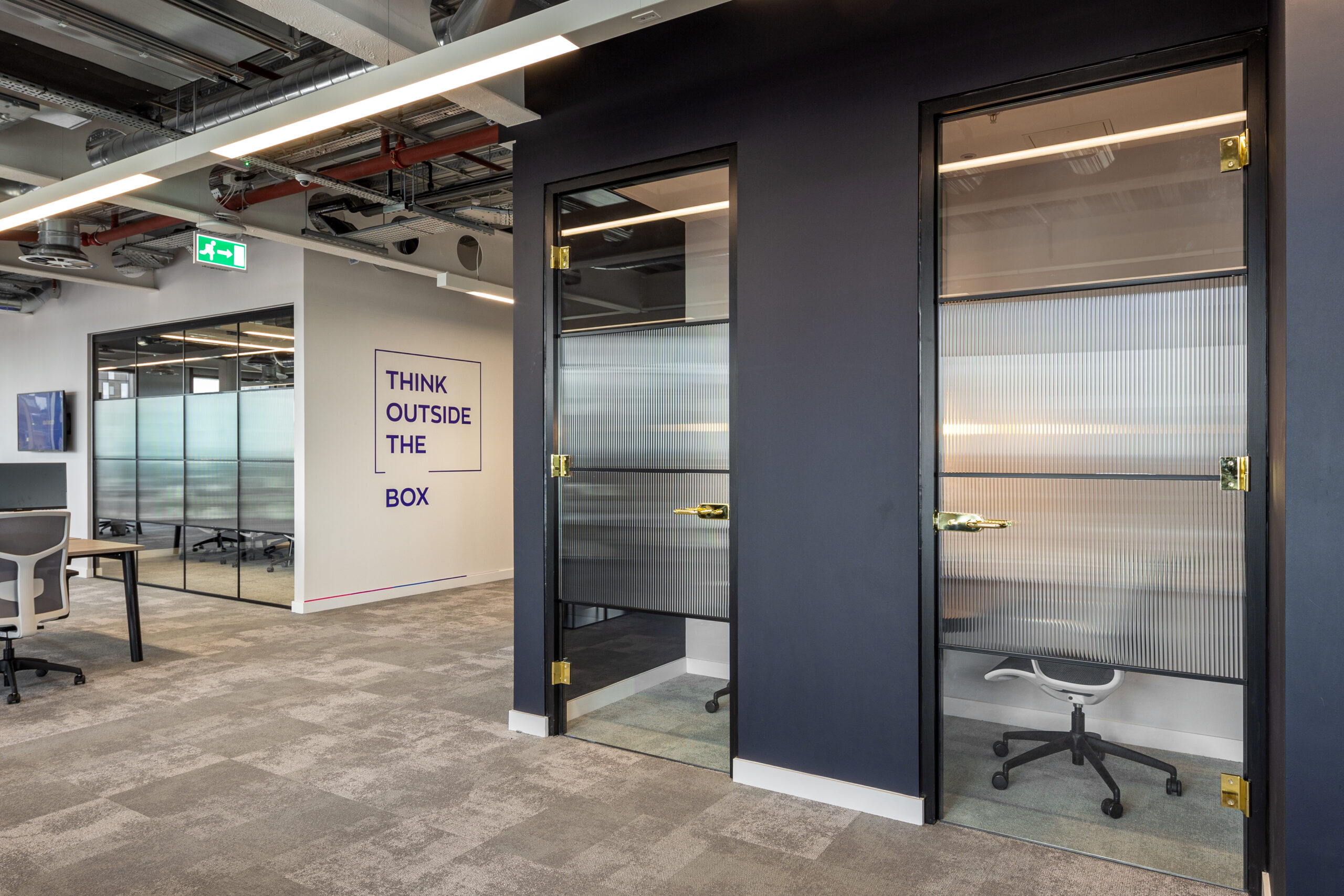
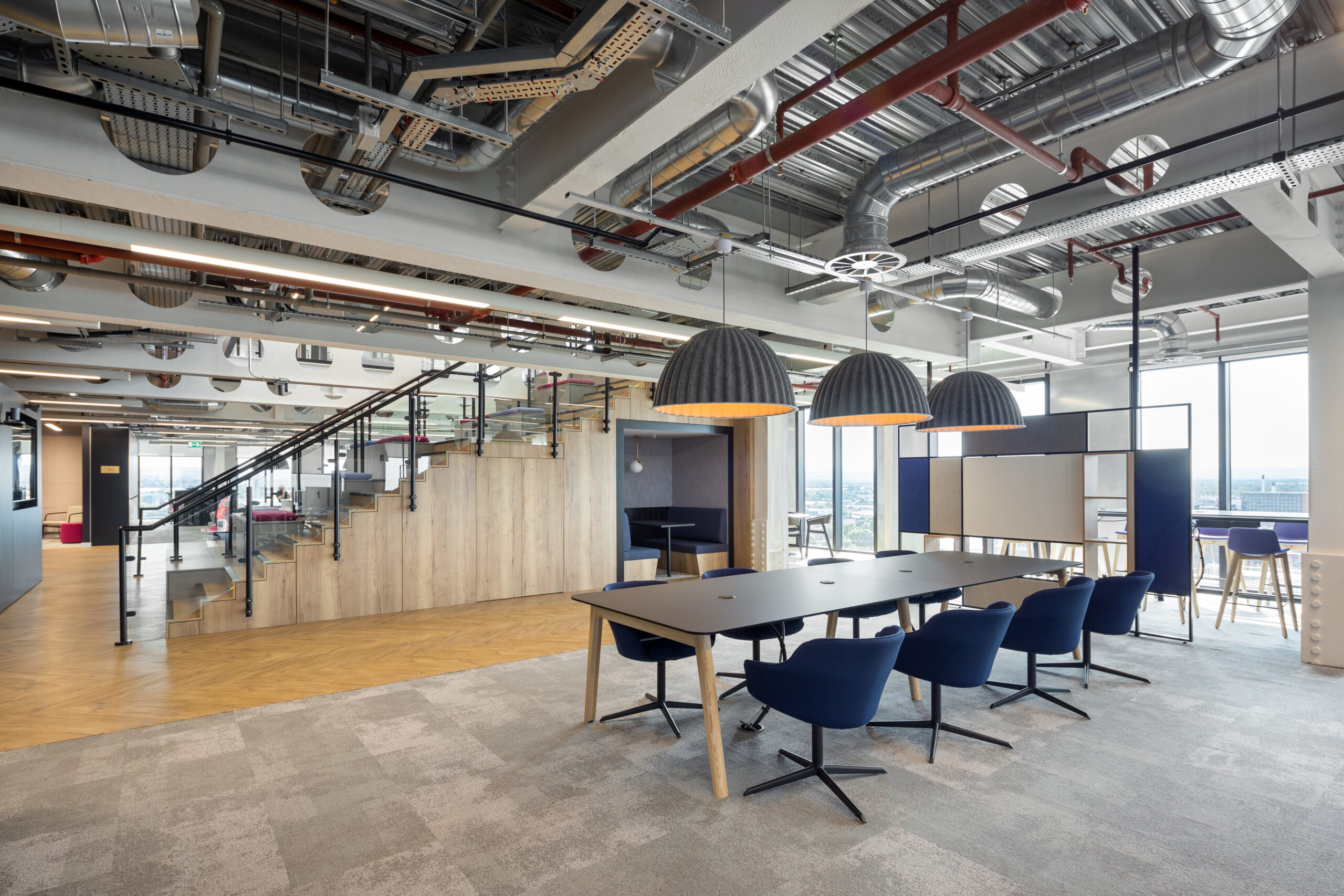
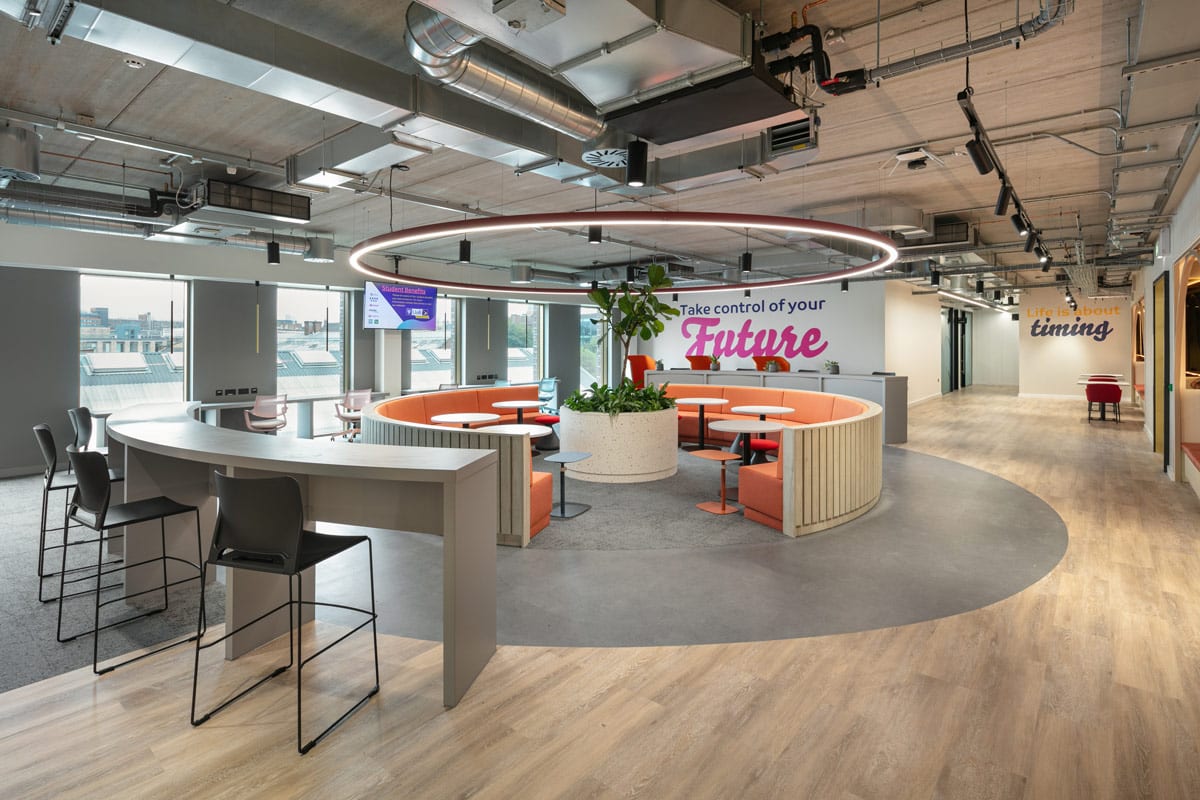
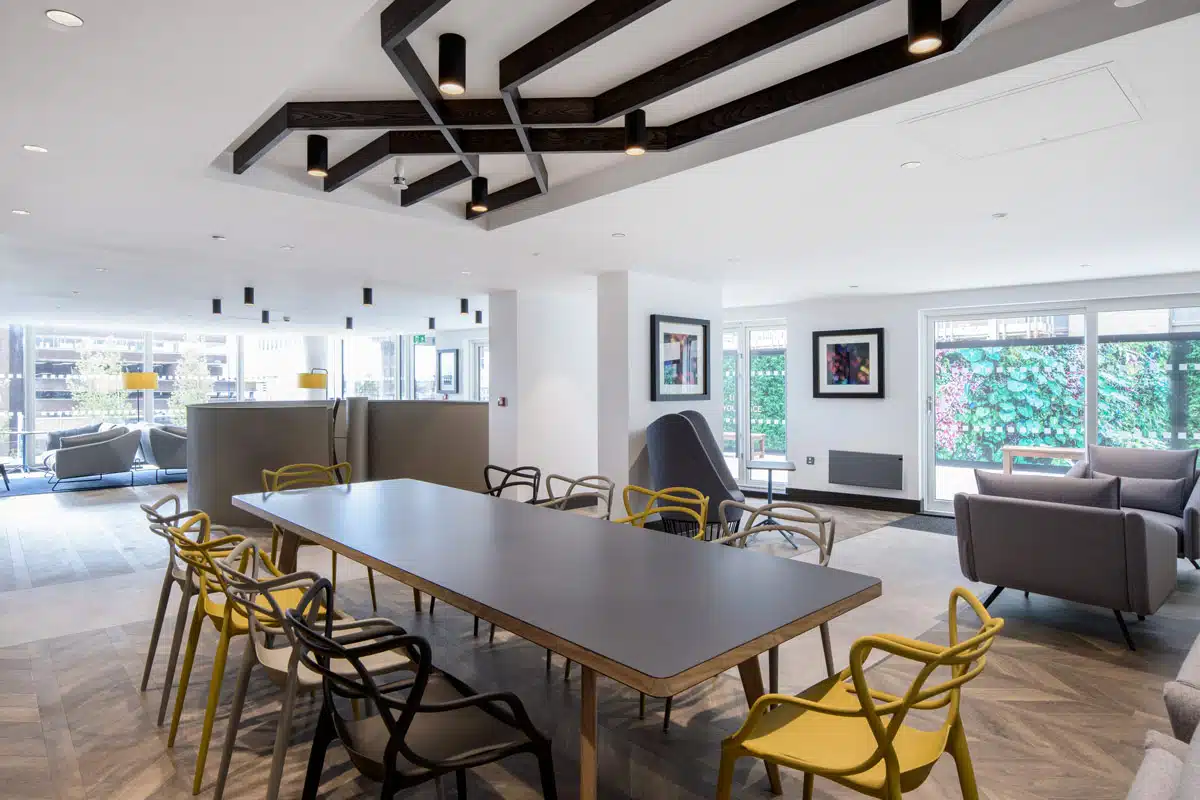
One of the clearest ways to improve workplace performance is to create zones with a clear purpose. Rather than treating the office as one uniform environment, it makes sense to plan dedicated areas for different tasks. These might include focus spaces, collaborative zones, formal meeting rooms, breakout areas and wellbeing spaces.
This approach gives employees more choice throughout the day. As a result, people can move to the setting that best suits the task in front of them. That often leads to a workplace that feels easier to use, more intuitive and more supportive of different working styles.
Improve efficiency without compromising experience
Getting more from your workplace does not mean squeezing more into less. Instead, it means making each area perform better. Better circulation routes can improve flow through the office. Multi-use rooms can support both formal meetings and informal catch-ups. Smarter storage can release valuable floor area. Even underused corners can become touchdown points or quiet booths.
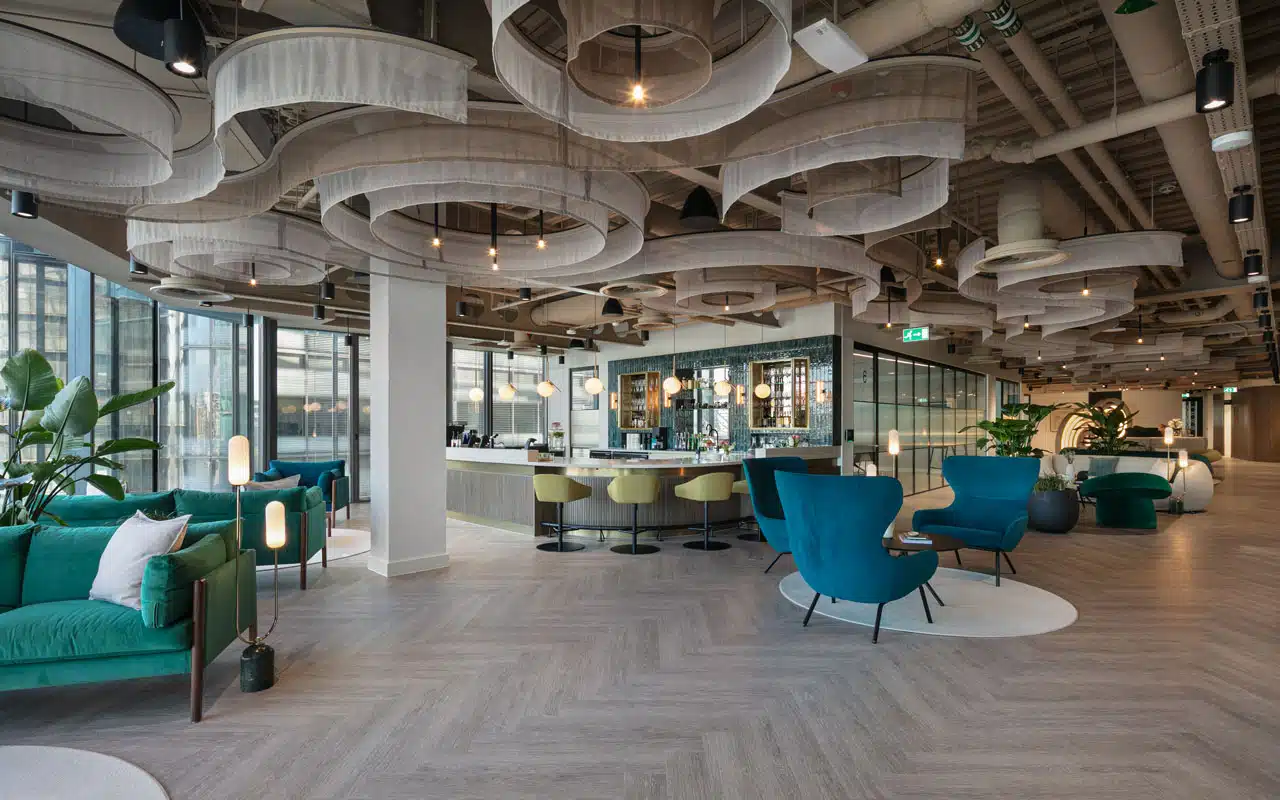
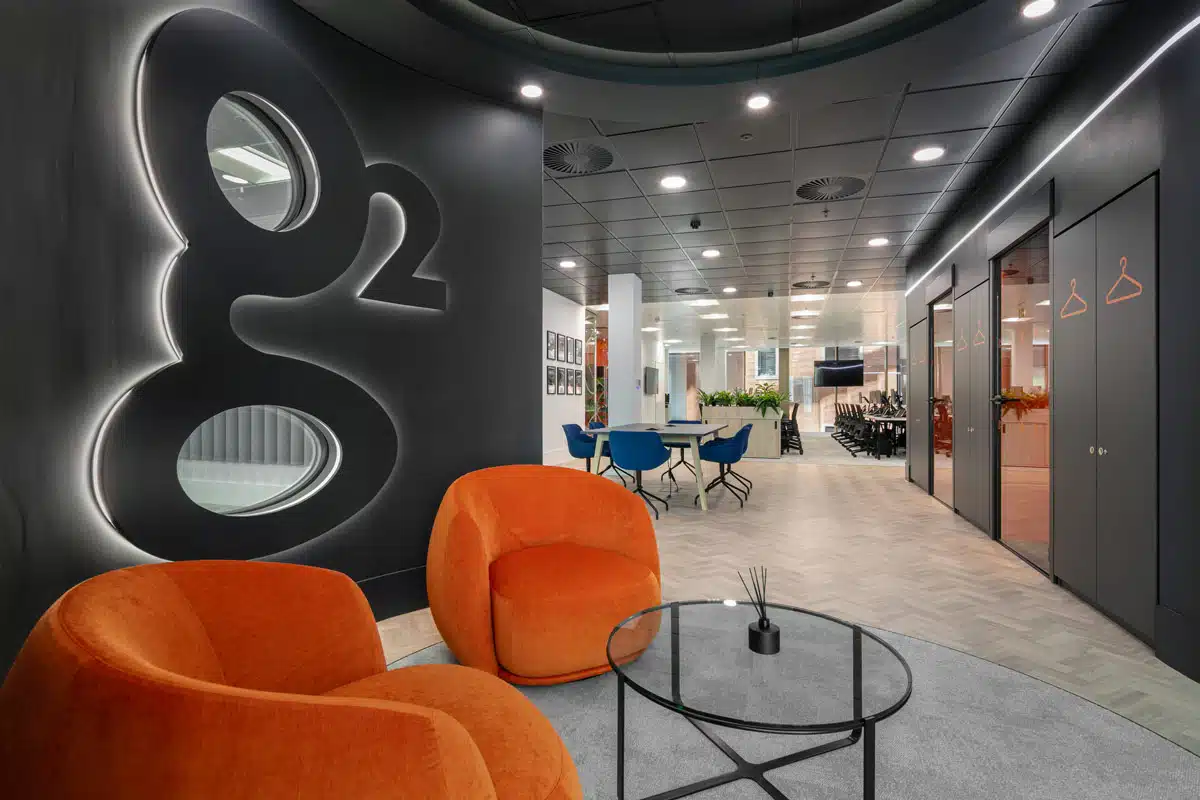
At the same time, efficiency should never come at the expense of comfort. Elements such as ergonomic furniture, breakout spaces, natural features, ventilation and thoughtful lighting all contribute to a better workplace experience. When office space planning balances performance with wellbeing, the result is a workplace people are more likely to use and value.
Plan for future change
An office should support your business now, but it should also be flexible enough to adapt. Teams grow, structures change and working patterns continue to evolve. Because of that, office space planning should always consider what comes next as well as what is needed today. Scalable layouts and adaptable fit out solutions can help reduce future disruption and support long-term value.
This is especially important when planning for hybrid working, growth or changes in headcount. A workplace that can flex over time is more resilient and more cost-effective than one designed around a single moment.
Office space planning is one of the most effective ways to unlock more value from your workplace. It can improve utilisation, support different working styles and create an office that feels purposeful, efficient and aligned with your business goals. When the layout is shaped around the way people really work, the workplace becomes far more than a place to sit. It becomes a tool that supports productivity, culture and growth.
Make your workplace work harder