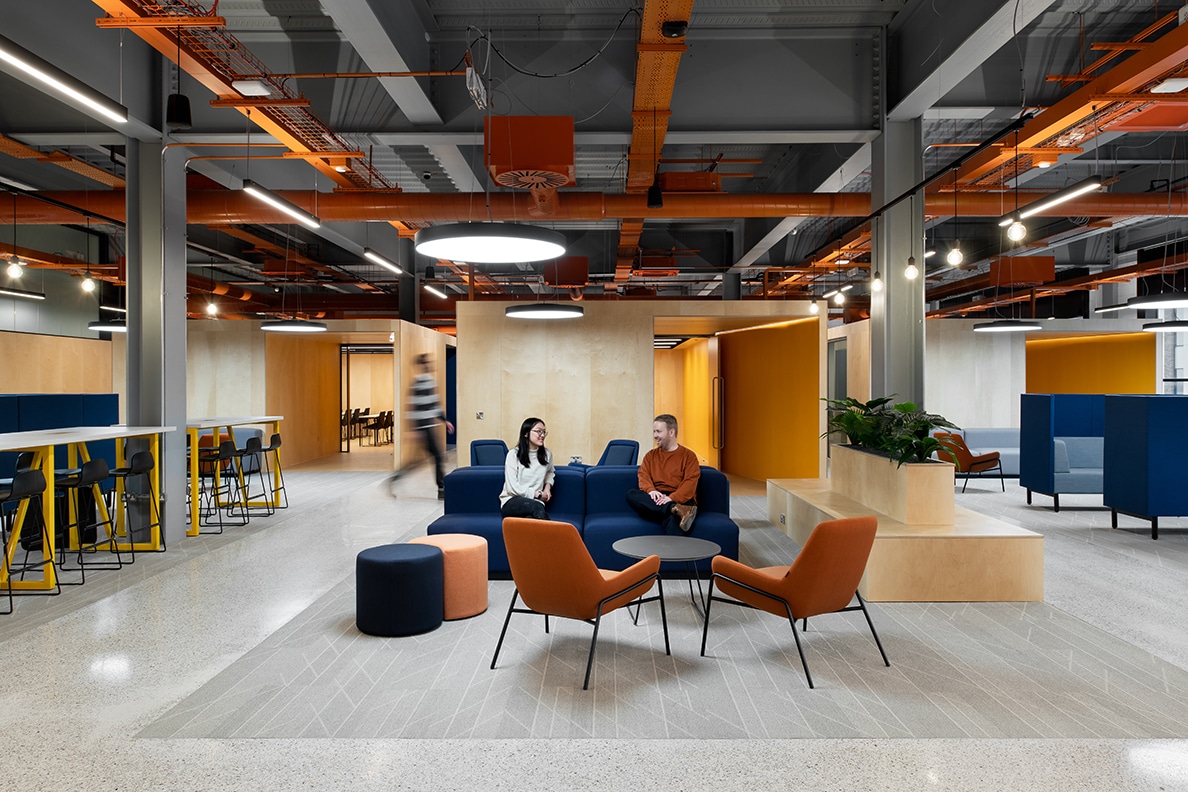
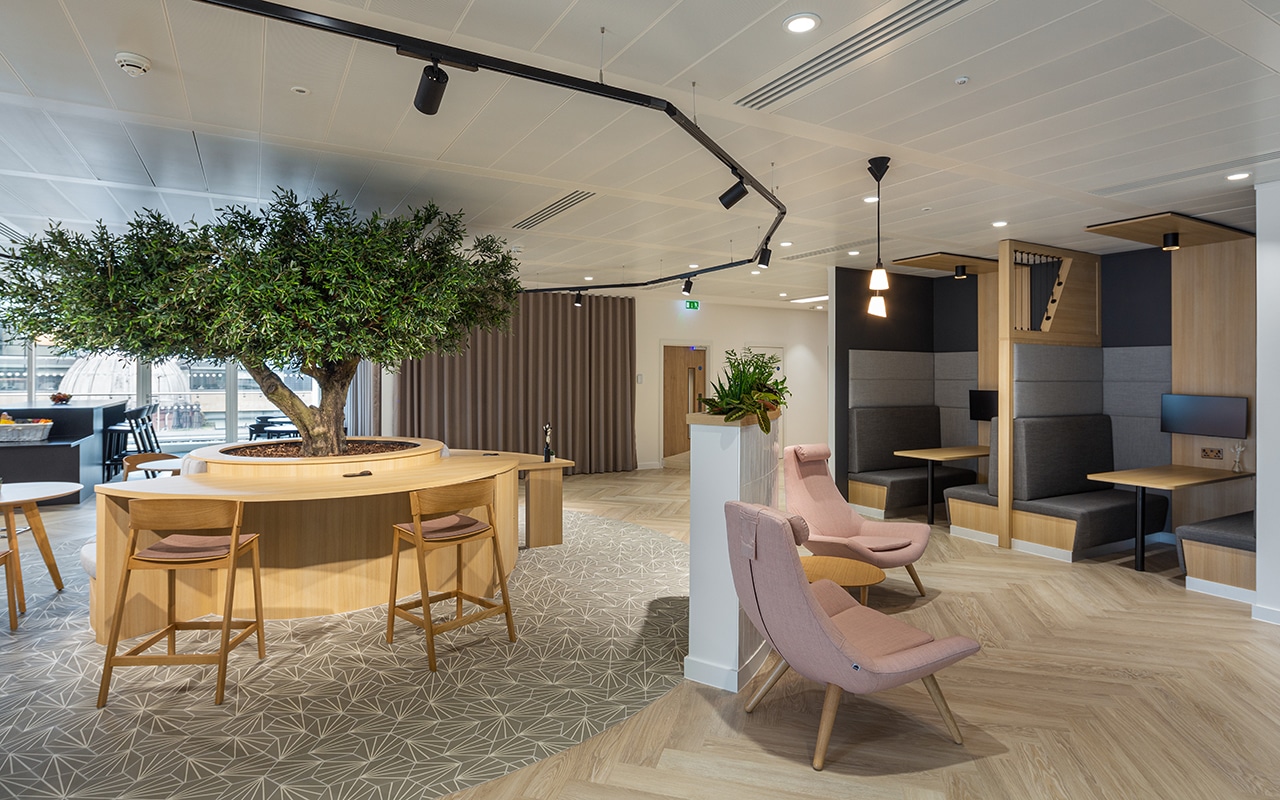
Workplace wellbeing in 2026 is a business priority. It influences performance, retention and culture. Yet, wellbeing is not just about adding plants or nicer chairs. Instead, it comes from designing the whole workplace experience with intent.

Today’s teams expect more choice and more control. They also need spaces that support focus, collaboration and recovery. Therefore, office design has to work harder than ever. It must reduce friction and support healthier daily habits. 

Why wellbeing is a design issue, not a perk

The physical environment shapes how people feel at work. Noise, layout, daylight and air quality affect stress and concentration. As a result, design decisions can either support people or drain them.

Importantly, businesses also need consistent outcomes. If the office feels uncomfortable or distracting, attendance drops. However, when the space supports different work modes, people use it more. That improves connection and teamwork. 

The 2026 shift: from general comfort to personalised comfort

Wellbeing has moved from “one size fits all” to “designed for difference”. In 2026, the best workplaces offer layered comfort options. For example, teams need quiet rooms, collaboration zones and informal settings. Then, individuals can choose what fits the task.

Personalised comfort also includes micro choices. People respond differently to light levels and temperature. Therefore, smart building controls and zoned settings matter more. Even small improvements can reduce fatigue across the day. 

Evidence based design that improves everyday health

Design for wellbeing should be practical. Firstly, start with daylight and lighting design. Good lighting supports mood, focus and circadian rhythm. Secondly, plan acoustics early. Noise is still one of the biggest complaints in open spaces.

Thirdly, support movement. Wellbeing improves when people can change posture and location. So, provide varied seating, touchdown points and routes through the space. Finally, keep ergonomics central, not optional. 

Using workplace behaviour data in the right way

In 2026, many workplaces collect data. This can include occupancy, meeting room usage and environmental readings. Used well, these insights help teams refine layouts and reduce waste. However, data must support people, not monitor them. So, transparency and privacy are essential.

A better approach is to combine data with human feedback. For example, surveys and workshops show why people avoid certain areas. Then, design can fix root causes, such as glare, noise or poor adjacencies. 

Inclusivity and belonging as core wellbeing outcomes

Wellbeing includes psychological safety and inclusion. That means designing for neurodiversity, faith, accessibility and different sensory needs. Therefore, the workplace should include calm spaces and predictable wayfinding. It should also offer control over stimulation.

Inclusive design also supports belonging. People want spaces that reflect values and culture. So, brand expression should feel authentic, not forced. Meanwhile, shared spaces should welcome different working styles. 

A holistic wellbeing strategy that links design and delivery

Wellbeing outcomes improve when strategy and delivery align. That is why a structured process matters. At ADT Workplace, this thinking is supported by a human centred approach, including the Wellspace principles embedded into design.

Just as importantly, wellbeing extends beyond the fit out. Policies, leadership behaviours and team norms also shape experience. So, workplace consultancy, design and delivery need to work together. 

Supporting mental health with responsible leadership

Mental wellbeing is now a core part of duty of care. As a result, many organisations are formalising their approach. ADT Workplace has also committed to ISO 45003 guidance for psychological health and safety at work. This reflects a wider shift towards more structured support.

In practical terms, offices can help by creating spaces for recovery. For example, quiet rooms and low stimulus areas support decompression. Likewise, clear boundaries between noisy and quiet zones reduce cognitive load. 

How to prioritise wellbeing in your next project

If you are planning changes in 2026, start with three steps:

  1. Understand how people work now, including pain points and future needs.
  2. Design for choice, with zones that support focus, collaboration and reset.
  3. Deliver with quality, so the finished space performs as intended long term.

Creating a healthier workplace with ADT Workplace

Workplace wellbeing is not a single feature. Instead, it is the outcome of many connected decisions. When design supports comfort, inclusion and performance, businesses see stronger engagement and a better employee experience.

If you want to improve wellbeing through office design, fit out or refurbishment, speak to our team. We can help you shape a workplace strategy, and then deliver a space where people can thrive.

More News and Insights

lighting in workspace design
WORKPLACE WELLBEING IN 2026: DESIGN FOR PERFORMANCE
How office design in 2026 boosts wellbeing and performance through smart comfort, inclusive planning, healthier air, light and acoustics.
office refurbishment ADT Workplace
OFFICE REFURBISHMENT IN 2026: GUIDE FOR BUSINESS LEADERS
A 2026 guide to office refurbishment. Plan strategy, budget and delivery, avoid pitfalls, and create a workplace teams want to use.
henry boot office fit out
WHO SHAPES THE WORKPLACE EXPERIENCE IN 2026?
Define who owns the workplace experience in 2026. Align strategy, design and tech for hybrid teams.