Sustainability is shaping almost every workplace brief in 2026. Clients want offices that look great. However, they also want proof of lower impact. As a result, the focus has shifted from “green features” to measurable performance.

For most organisations, the goal is straightforward. Reduce carbon, cut waste, and improve the day-to-day experience. Therefore, the best fit-outs in 2026 will combine circular thinking, carbon-conscious specification, and smarter space planning.

Below are the key sustainability office fit-out trends in 2026 that decision-makers are planning around.

1) Circular design and reuse-led decisions

In 2026, more projects start with a reuse audit. Teams ask what can stay, what can be refurbished, and what can be redeployed. This reduces embodied carbon quickly. It also shortens lead times in many cases.

Circular fit-outs favour modular layouts, demountable partitions, and flexible joinery. Consequently, spaces can evolve without a full strip out. In addition, reuse supports better budget control when programme pressure is high.

2) Carbon-first material selection

Material choices are now carbon choices. That is why clients are asking more questions at specification stage. They want lower-impact materials. They also want durability and repairability.

This trend shows up in high-volume items. Flooring, partitions, ceilings, and furniture can drive a large share of embodied impact. So, design teams are choosing options that last longer and are easier to maintain. Moreover, responsible sourcing is becoming a basic expectation, not a premium upgrade.

3) Smaller, smarter footprints

Hybrid working has stabilised for many sectors. Therefore, space planning is increasingly about right-sizing. Smaller footprints can reduce operational energy. They can also allow better investment in quality and comfort.

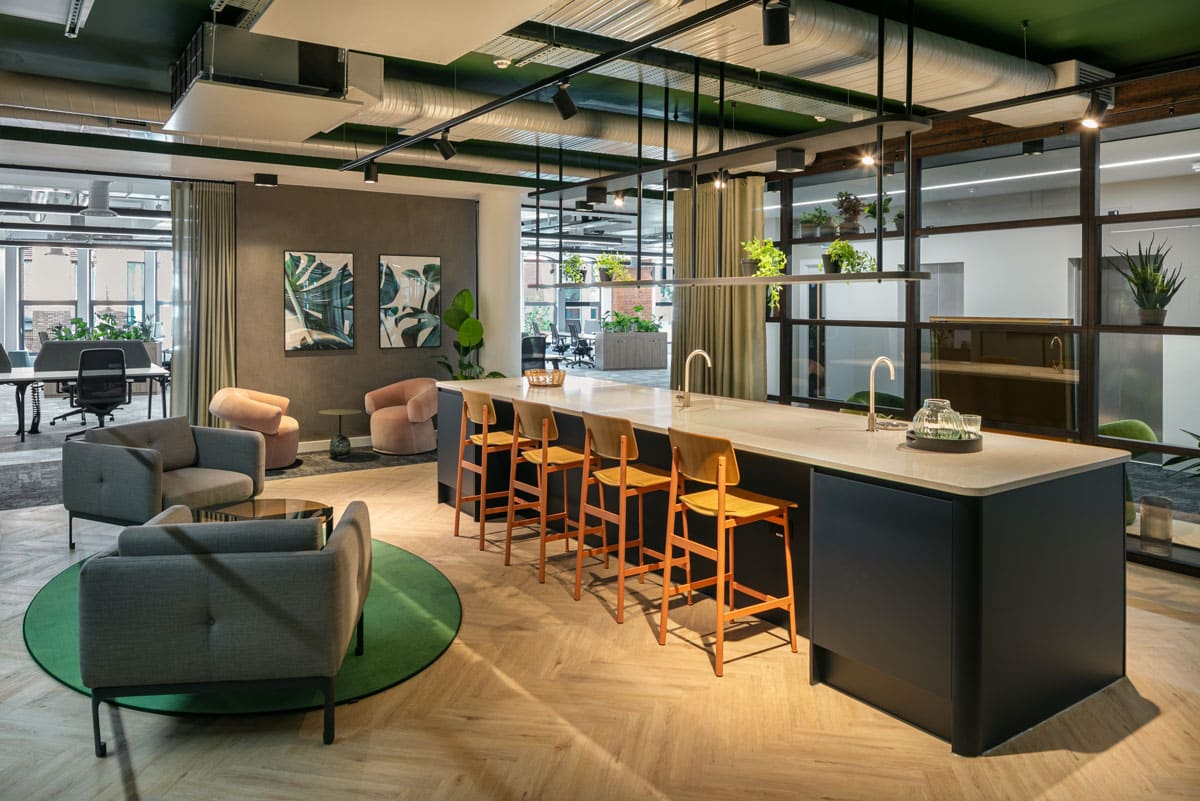
However, compact offices still need variety. People need quiet areas, collaboration zones, and spaces for calls. As a result, layouts are getting more intentional. They support how teams choose to work, rather than forcing a single pattern. 

4) Refurbishment-first delivery

Refurbishment is often the lowest waste route. It avoids unnecessary replacement. It also protects the value of existing assets. As a result, 2026 fit-outs place more emphasis on upgrading what is already there.

Common examples include lighting upgrades, improved controls, and targeted HVAC improvements. In many cases, these changes deliver meaningful efficiency gains. Meanwhile, phased delivery can reduce disruption for occupiers.

5) Standards that make sustainability measurable: BREEAM and SKA

In 2026, sustainability targets are becoming clearer. That is because standards help teams agree what “good” looks like.

BREEAM is widely used to measure building sustainability. It considers areas such as energy, water, materials, and wellbeing factors. It also helps projects maintain performance over time.

For fit-outs, SKA Rating is a practical benchmark. It is led and owned by RICS. It assesses non-domestic fit-outs against good practice measures. It then awards a Bronze, Silver, or Gold rating.

Together, these frameworks support stronger reporting. They also reduce guesswork during design and delivery. Consequently, clients can evidence progress to stakeholders with more confidence. 

6) Operational performance and post-occupancy optimisation

Sustainability does not end at handover. In 2026, more businesses track energy and comfort performance after move-in. They use insights to refine settings and improve outcomes.

Post-occupancy reviews are becoming more common too. They help teams learn what works in real use. Then, they can fine-tune layouts, booking behaviours, and building controls. As a result, the workplace improves over time, not just on day one.

7) Wellbeing-led sustainability

Sustainable offices need to support people as well as planet. That is why wellbeing is a stronger part of the sustainability conversation in 2026. Better air quality, effective acoustics, and balanced lighting help people thrive. They also support productivity and retention.

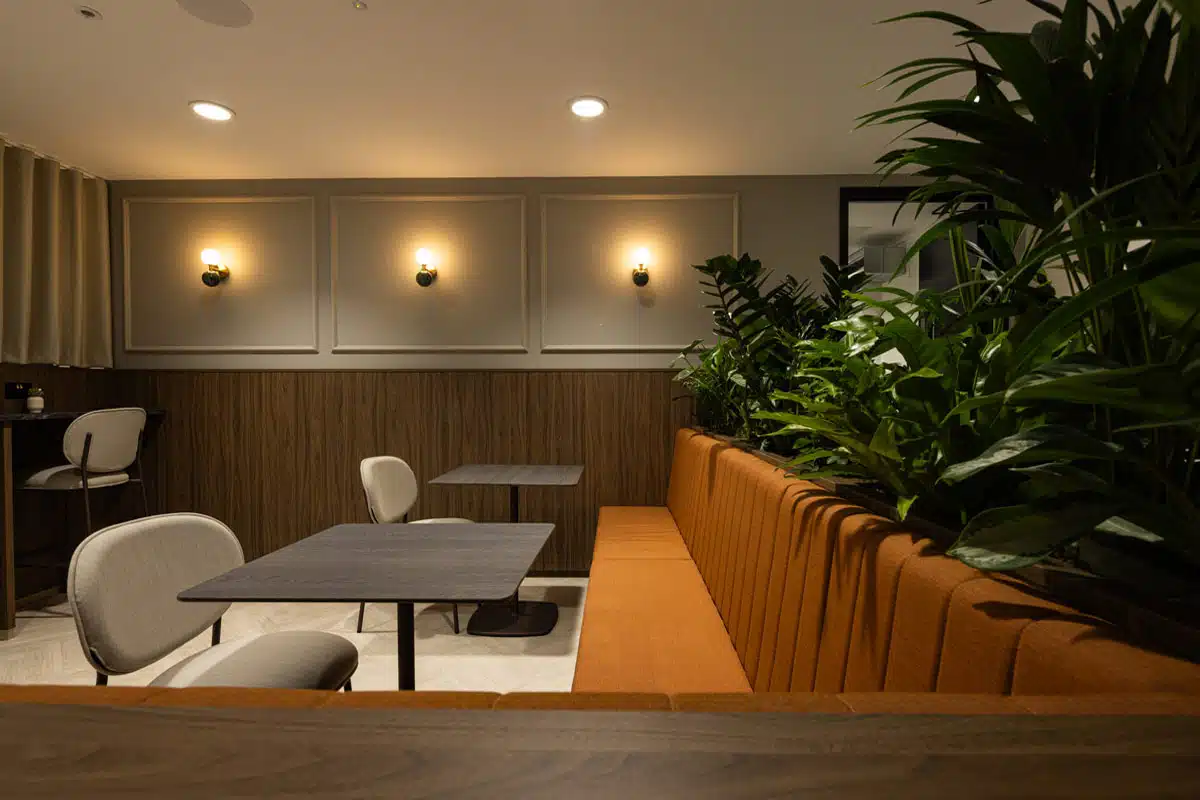
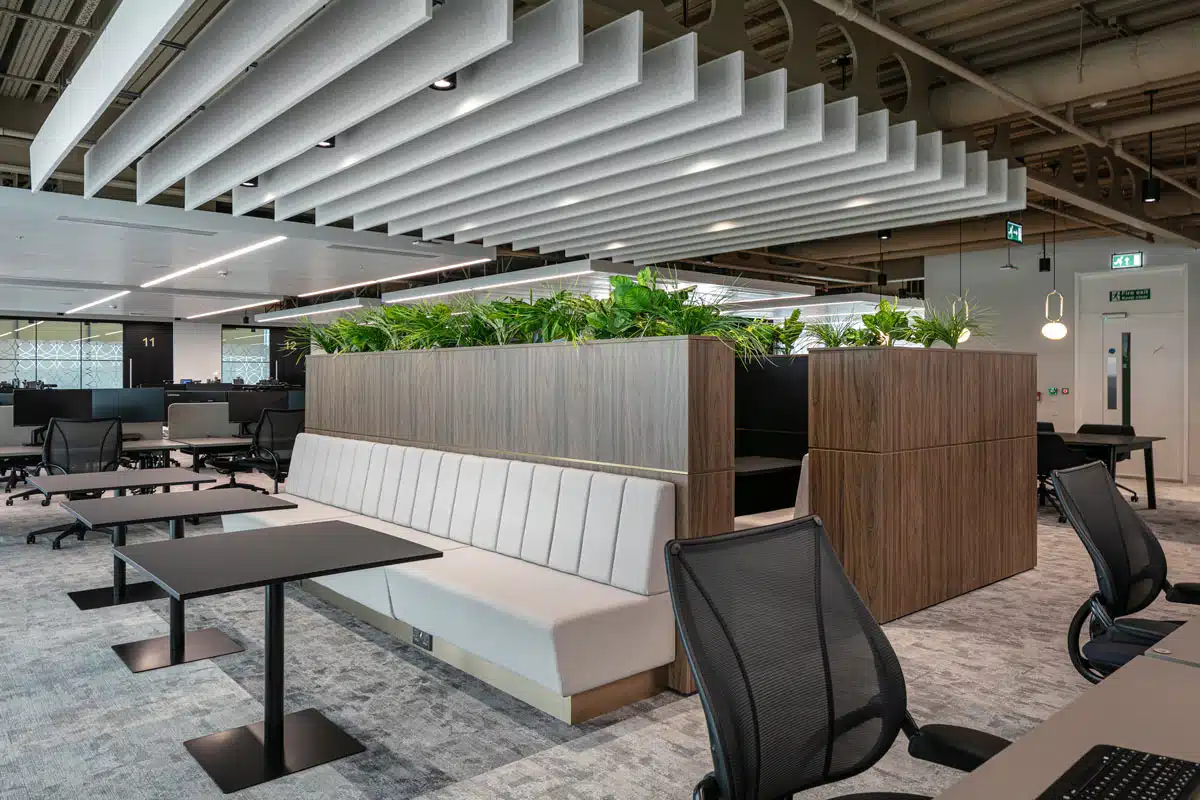
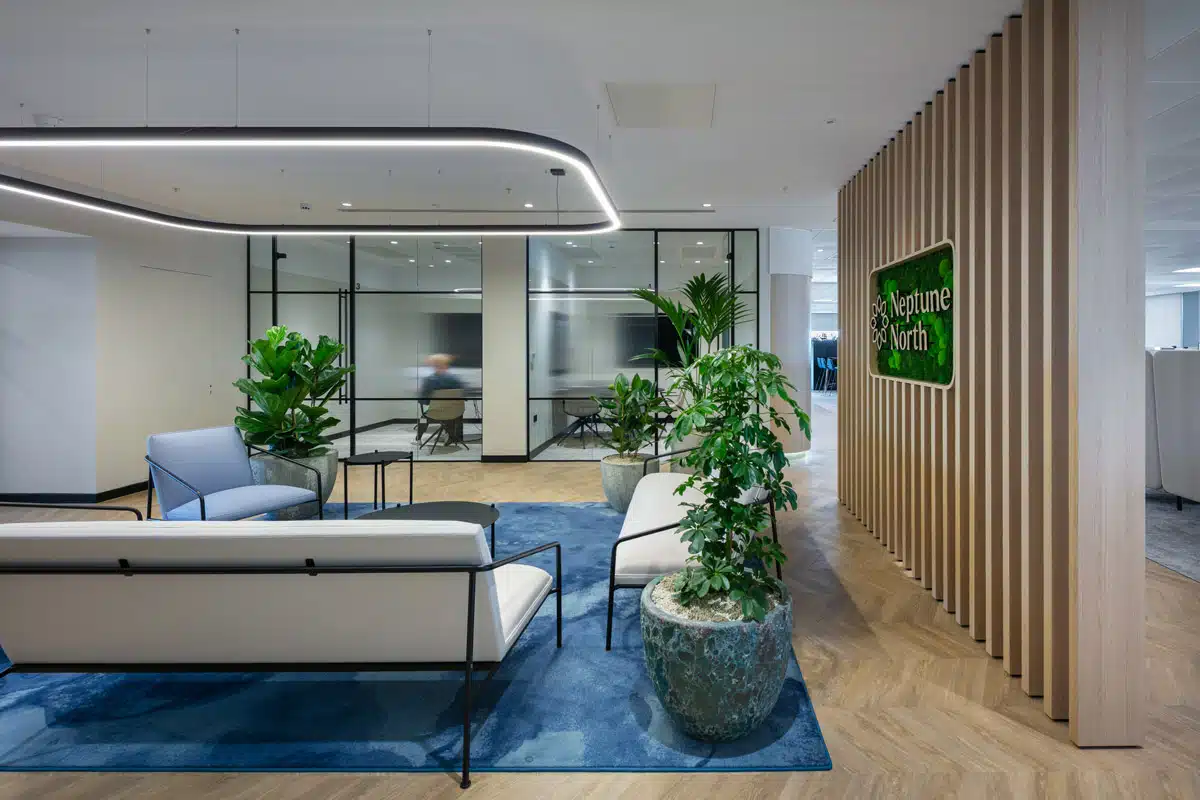
This trend is also influencing product choices. Low-VOC finishes, easier-to-clean surfaces, and healthier material selections are increasingly expected. Moreover, biophilic and restorative elements are often used to enhance comfort and connection. 

How we support sustainable fit-outs in 2026

We help clients build sustainability into the project from the start. That includes circular thinking, responsible specification, and realistic delivery planning. We also support certification-led targets, including BREEAM and SKA, where they align with the brief.

If you are planning a fit-out or refurbishment in 2026, we can help you make sustainability practical and measurable. Speak to us to discuss your building, your programme, and your performance goals.

More News and Insights

Henry Boot sustainable office fit out
SUSTAINABILITY OFFICE FIT-OUT TRENDS IN 2026
Explore 2026 sustainability trends for office fit-outs, from circular design to low-carbon materials, smarter footprints and wellbeing.
Nordex office fit out
WHAT TO EXPECT DURING AN OFFICE DESIGN AND FIT-OUT PROJECT
Know what happens at each stage of an office design and fit out project, from consultancy to handover, with clear timelines and support.
Manchester Trinity fit out for Swiss Life
COMMERCIAL OFFICE FIT-OUT CHECKLIST: FROM VISION TO HANDOVER
Plan your commercial office fit out with a step-by-step checklist, covering budget, compliance, design, delivery and handover.