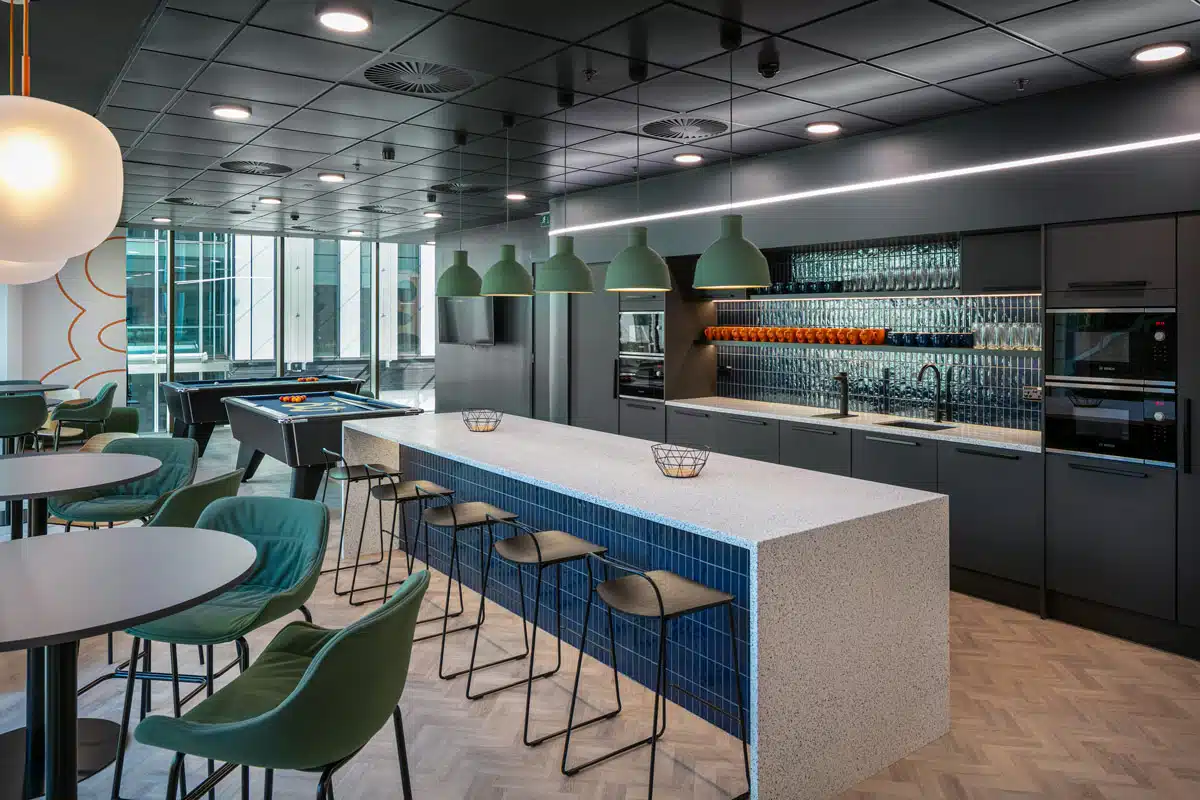
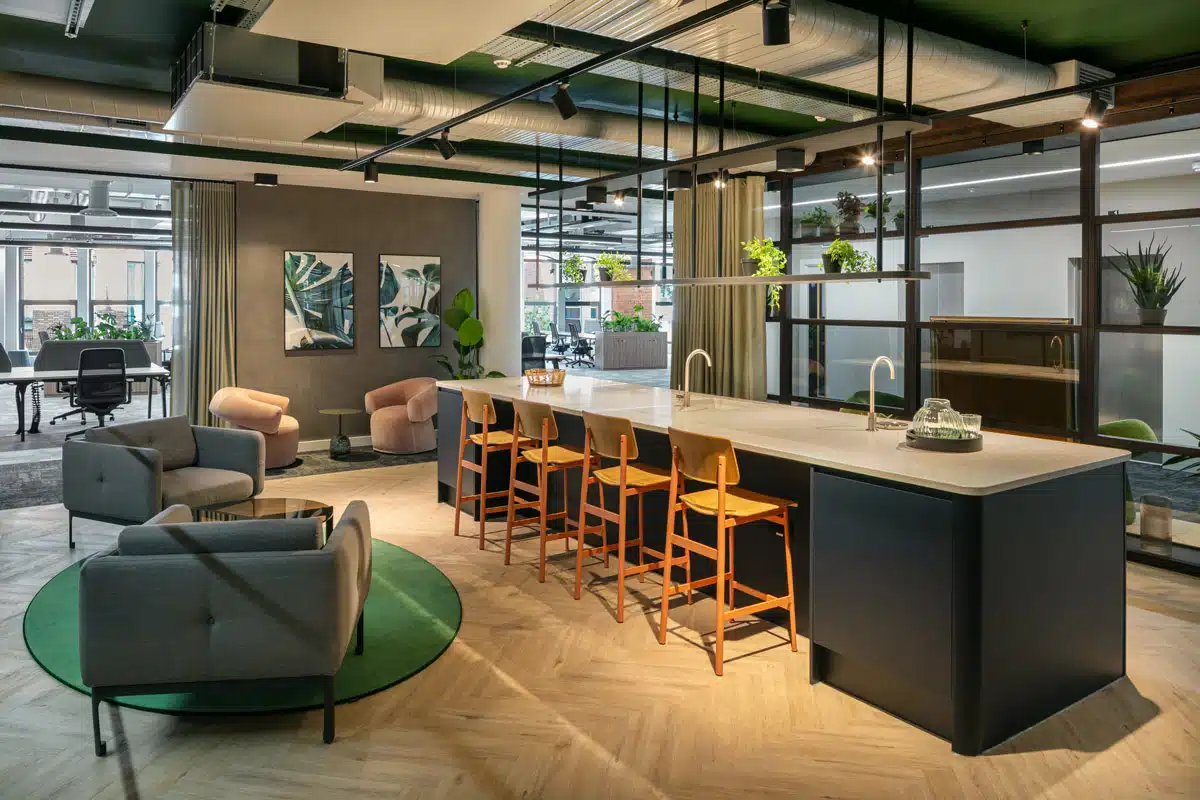
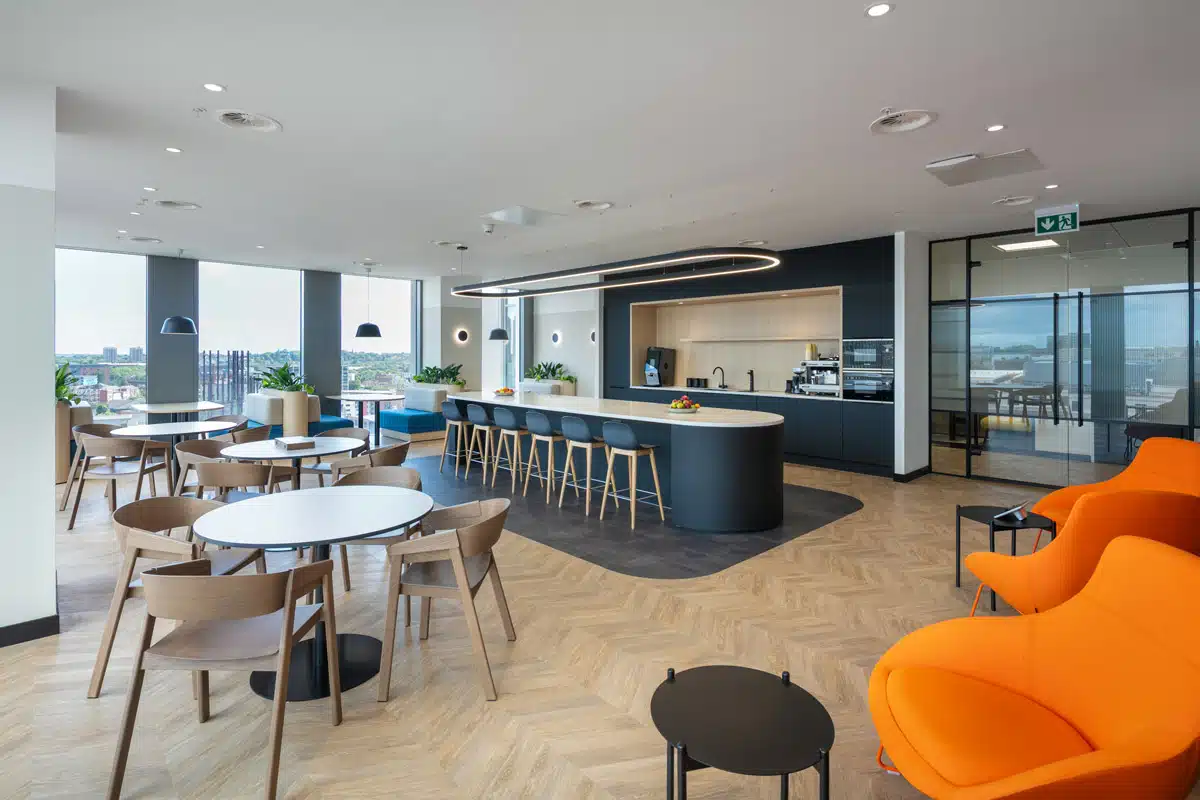
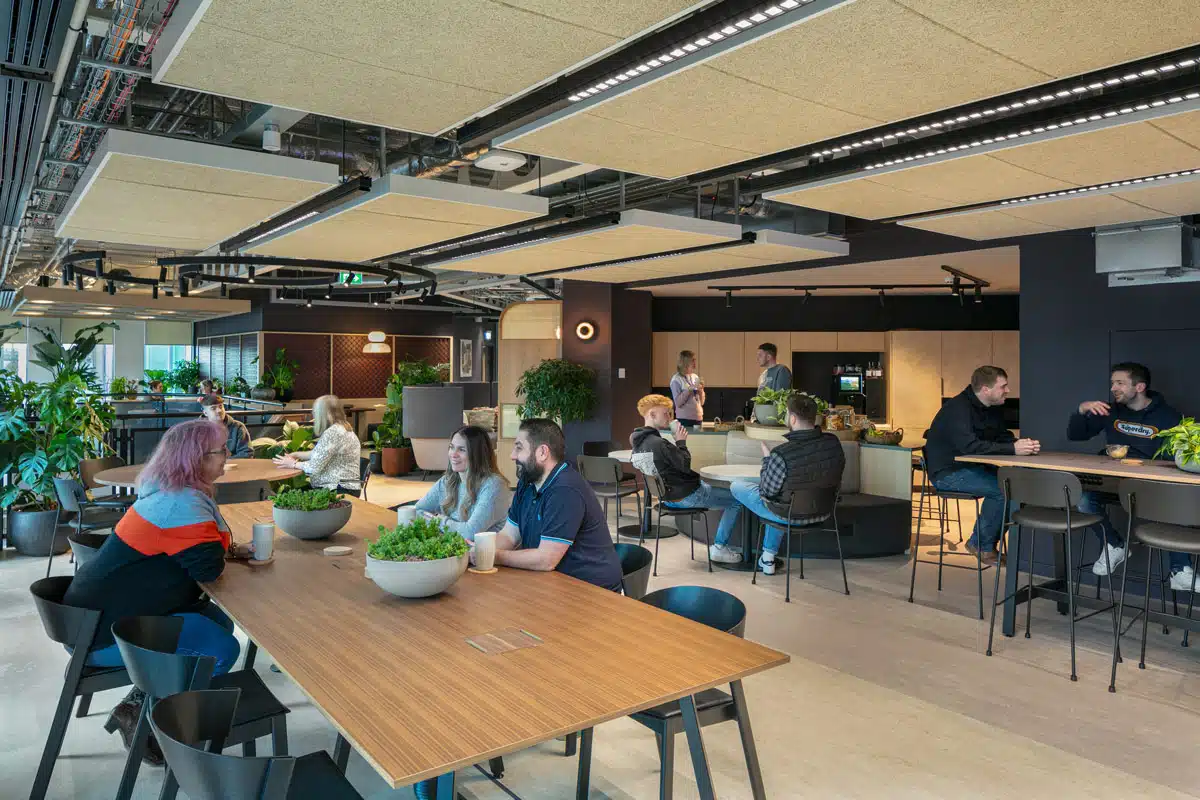
The way people work has changed, and traditional workplace layouts are changing with it. Many businesses now want spaces that feel relaxed, social and comfortable, similar to the experience people enjoy in their favourite coffee shops. This shift has grown alongside hybrid working, changing expectations and a desire for more human, people centred workplaces. As a result, casual workspace design is becoming a key feature of modern office fit outs.

This article explores how the coffee shop effect can be integrated into a commercial office without losing structure, focus or functionality. It also outlines how consultancy led planning helps create a balanced environment that supports wellbeing, productivity and flexible workstyles.

Why Casual Workspaces Are Growing in Popularity

Casual work settings appeal to people who want an environment that feels less formal and more comfortable. Many employees are already used to working from cafés, libraries and shared spaces. When these qualities appear in the workplace, they often help reduce stress and encourage more natural interaction.

In addition, hybrid work models mean the office must offer something people cannot find at home. Warm textures, relaxed seating, soft lighting and a social atmosphere can make the workplace feel more inviting. These elements help teams reconnect when they come together, which is important for culture and collaboration.

Balancing Relaxation with Productivity

Although casual areas can be inspiring, an effective office design must remain balanced. Without structure, relaxed zones can cause distraction or noise issues. This is why zoning is essential. When spaces are planned with clear boundaries, people can choose the environment that best supports their task.

Purposeful zoning might include:

  • Casual areas for informal catch ups and quick work sessions
  • Social spaces for spontaneous collaboration
  • Focused work zones for quiet tasks
  • Enclosed settings for privacy and concentration
  • Circulation routes that support smooth movement

When these zones work together, teams can move naturally between them throughout the day. This creates a workplace that feels flexible but still supports different types of work.

Designing the Coffee Shop Atmosphere

Creating a coffee shop feel does not mean copying a café or using trends without purpose. It means blending comfort, warmth and social energy into a corporate setting. Materials, lighting, furniture and technology all play a role.

Key design considerations include:

  • Soft seating that invites casual working and relaxed conversations
  • Mixed furniture settings that allow choice and comfort
  • Warmer tones and natural textures that make the space feel calm
  • Acoustic solutions that manage noise without limiting openness
  • Integrated planting that adds freshness and supports wellbeing
  • Power and charging access that allows people to work from any seat

These elements help build a workplace that feels approachable, dynamic and connected. With the right design choices, the office can offer the same welcoming atmosphere people enjoy in their favourite cafés while still supporting professional activity.

Who Benefits Most from Casual Workspace Design

Although casual design principles work well in many environments, some organisations benefit more than others. Creative firms often use relaxed zones to spark ideas and support fluid teamwork. Hybrid businesses also find value in settings that bring people together in a natural way when they are in the office. Start ups may lean on these spaces to promote close collaboration and create a strong early culture.

However, casual workspace design is not only for creative or young businesses. Many established organisations are adopting similar features to make their offices more appealing, especially as employee expectations evolve. With consultancy led planning, the approach can be shaped around each company’s culture, brand and operational needs.

Avoiding Common Pitfalls

Without careful planning, casual spaces can cause issues such as noise, distraction or a lack of available focused work settings. Businesses sometimes introduce relaxed seating without supporting elements such as acoustic control, privacy solutions or clear zoning. This imbalance can create tension rather than choice.

To avoid these challenges, a successful design should include:

  • Acoustic treatments that support both open and quiet areas
  • A balance of casual and focused zones
  • Privacy pods for confidential conversations
  • Booking systems for popular spaces
  • Clear circulation that prevents overcrowding

When these factors are considered early, the office can feel relaxed without becoming chaotic.

How ADT Workplace Delivers Flexible, People First Workspaces

At ADT Workplace, casual workspace design is shaped through consultancy, strategy and detailed fit out delivery. Every project begins with understanding how people work, what the business wants to achieve and how space can support those objectives. This approach ensures that casual environments are not added as trends but form part of a coherent workplace strategy.

With expert space planning, interior design and project delivery, ADT Workplace helps clients create offices that feel warm, social and modern while still offering structure and functionality. The result is a workplace that supports wellbeing, welcomes collaboration and adapts easily to hybrid working.

Conclusion

Casual workspace design is more than a trend. It reflects how people want to work and how businesses can support them. By blending comfort with structure and creativity with clarity, the office becomes a flexible, people centred environment where teams can thrive. With the right consultancy and tailored fit out, the coffee shop effect can transform a workplace into a vibrant hub for connection, productivity and wellbeing.

More News and Insights

Host MediaCityUK office fit out by ADT Workplace
CASUAL WORKSPACE DESIGN FOR MODERN OFFICES
Create coffee shop inspired comfort in your office. Explore how casual workspace design boosts collaboration, focus and wellbeing.
Collaborative-office-design-Manchester
HEALTHY OFFICE DESIGN FOR WELLBEING AND PRODUCTIVITY
Discover how healthy office design boosts productivity and wellbeing with light, acoustics, biophilia and layout.
BREEAM Excellent xandwhy
ART AND CALM IN THE WORKPLACE
Discover how art and calm design principles can improve wellbeing, reduce stress and boost creativity in the workplace.