More workplaces are exploring pet friendly environments as part of their wellbeing strategies. It is no longer viewed as a quirky perk. Instead, it is becoming a considered part of workplace design. Many employees value the comfort that pets bring, and businesses are now recognising how pets can support morale. However, introducing animals into commercial spaces requires careful planning and thoughtful design. It is important to create spaces that are safe, hygienic and practical, while still supporting productivity and professionalism.

This article explores how businesses can approach pet friendly workplace design, from early strategy to layout planning. It also covers fit out requirements such as materials, ventilation and compliance. With the right approach, companies can create a balanced environment that supports both people and pets.

Understanding the purpose of a pet friendly office

Before thinking about design features, it is important to understand why a business wants to welcome pets. Some companies do this to enhance wellbeing and reduce stress. Others want to strengthen culture or attract people who value flexible, modern work settings. These goals help shape the right approach. The design must balance comfort with a professional atmosphere so the space still functions as a productive working environment.

Clear policies are also helpful. They guide how pets are introduced, how health and safety is managed and how any issues are handled. When expectations are clear, it becomes easier to design a space that suits everyone.

Designing the right layout for pets and people

Successful pet friendly offices start with smart layout planning. Dedicated pet zones can be useful because they help maintain structure within the workplace. These areas might include soft flooring, built in beds or calm spaces away from busy working zones. Providing routes for safe movement also helps avoid disruption during the day.

Breakout areas can be adapted so that pets can sit with their owners without creating noise or congestion. Some organisations also introduce quiet refuges where animals can rest. This helps reduce stress for pets and keeps the office calmer. Locating these spaces slightly away from collaboration zones reduces distraction and supports concentration.

Choosing the right materials and finishes

Durability and hygiene sit at the heart of pet friendly design. Materials must cope with regular cleaning, potential scratches and occasional accidents. Hardwearing vinyl, sealed timber, durable carpets or tiles with stain resistant properties are often selected for this reason. Fabrics benefit from wipeable or antimicrobial finishes, especially in shared areas where pets may settle.

Surfaces that are easy to clean help maintain a professional appearance. When materials stay in good condition, the workspace remains welcoming for people who do not have pets too. This approach ensures the office continues to reflect the company’s brand standards.

Ventilation, cleanliness and comfort

Ventilation is a key consideration because it supports hygiene and overall comfort. Good air circulation helps manage odours and allergens. Mechanical ventilation systems may need adjustment so airflow supports both human and pet wellbeing.

Accessible cleaning stations can be integrated into the design. These might include storage for wipes, bins or grooming tools. Thoughtful placement allows teams to keep the environment tidy throughout the day. This prevents disruption and helps maintain a polished, organised look across the workspace.

Safety and building compliance

Pet friendly design must always consider safety and compliance. This includes secure entry points, barriers where needed and materials that meet fire and building regulations. Slip resistant flooring reduces risk for both people and pets. Where staircases or open balustrades are present, additional protection may be required. Clear pathways also help avoid trip hazards.

It is important to consider allergies and accessibility. Quiet pet free zones offer inclusive options for those who prefer distance from animals. This supports a wide range of needs without compromising the overall concept.

Creating a culture that supports responsible pet behaviour

Even the best design cannot succeed without responsible behaviours. Workplaces often introduce booking systems or rotation schedules to manage the number of pets onsite. This keeps the environment calm and ensures pets do not feel overwhelmed. Training sessions for owners can also support smoother integration.

When design and behaviour work together, the result is a space that feels enjoyable and controlled. This builds trust within teams and supports a positive workplace culture.

How ADT Workplace supports pet friendly office design

Introducing pets into the office is an exciting step for many organisations. It can improve wellbeing, strengthen culture and create a more relaxed working atmosphere. However, the transition requires expert planning so the environment remains safe, professional and productive.

At ADT Workplace, we help businesses assess their needs and design spaces that support both people and pets. Our team provides consultancy on layout planning, materials, ventilation and compliance, ensuring every detail is considered. With the right strategy, pet friendly design becomes a natural extension of a modern workplace.

More News and Insights

Pet friendly office design
PET FRIENDLY OFFICE DESIGN FOR MODERN WORKPLACES
Create a safe and productive pet friendly office. Explore layouts, materials and wellbeing considerations for modern workplaces.
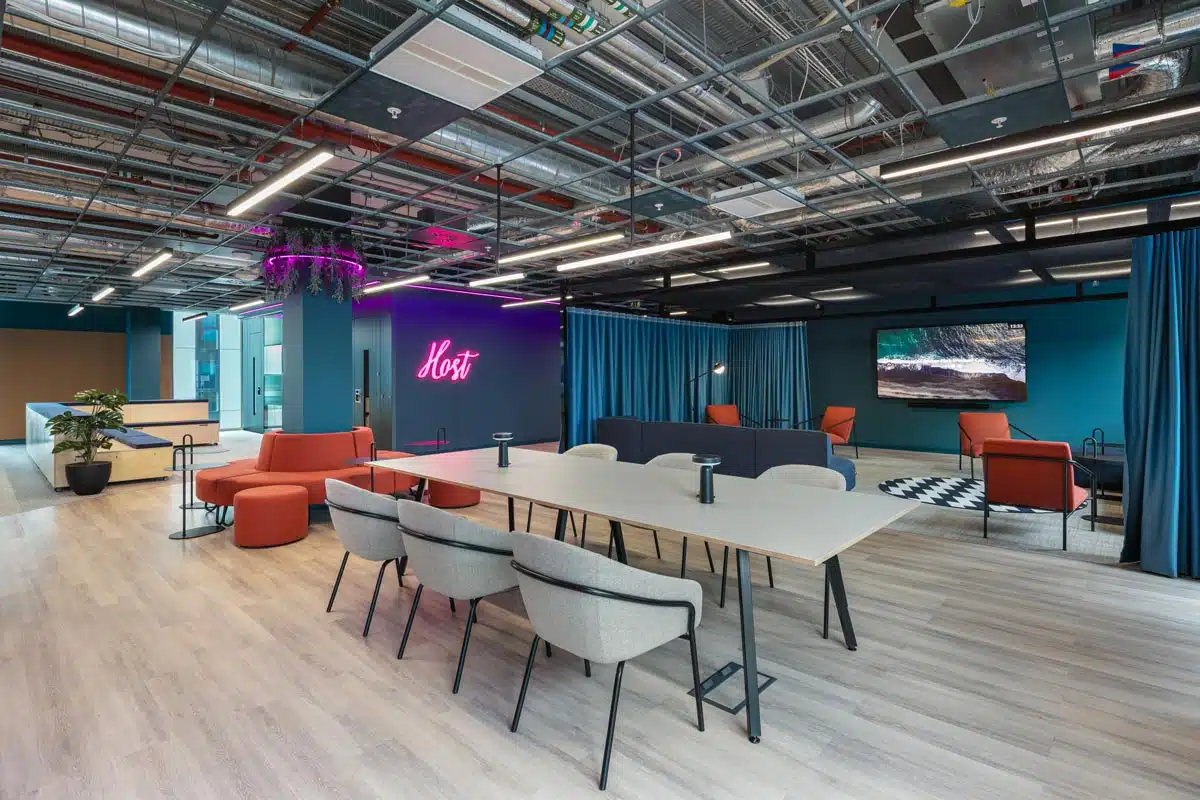
Host MediaCityUK office fit out by ADT Workplace
CASUAL WORKSPACE DESIGN FOR MODERN OFFICES
Create coffee shop inspired comfort in your office. Explore how casual workspace design boosts collaboration, focus and wellbeing.
Collaborative-office-design-Manchester
HEALTHY OFFICE DESIGN FOR WELLBEING AND PRODUCTIVITY
Discover how healthy office design boosts productivity and wellbeing with light, acoustics, biophilia and layout.