Introduction
When planning a new workspace, one of the first decisions you will face is choosing between Cat A, Cat A+ and Cat B fit-outs. While these terms are widely used across the industry, the differences between them are not always clear.
At the same time, the way businesses use office space has changed. As a result, the traditional definitions are evolving, and more flexible solutions are now being introduced. Therefore, understanding what each option offers and how it aligns with your business needs is essential before starting a project.
Understanding Cat A, Cat A+ and Cat B Fit-Outs
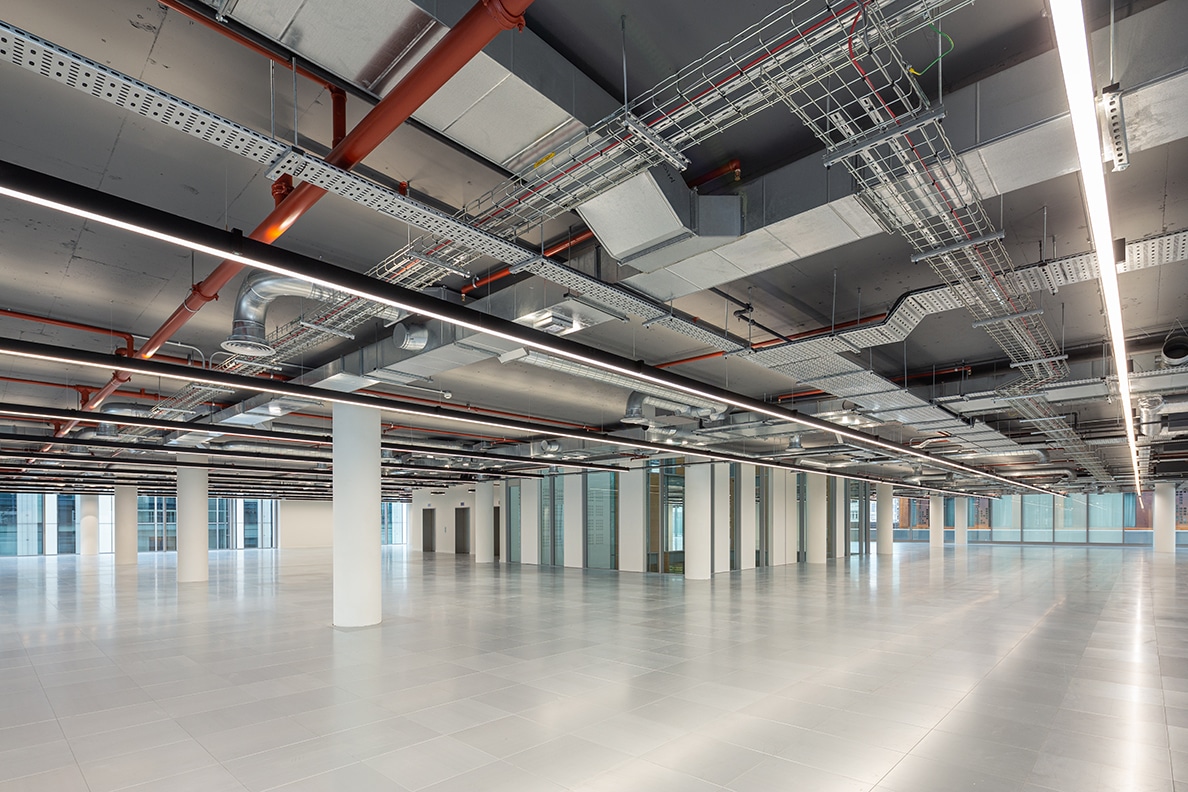
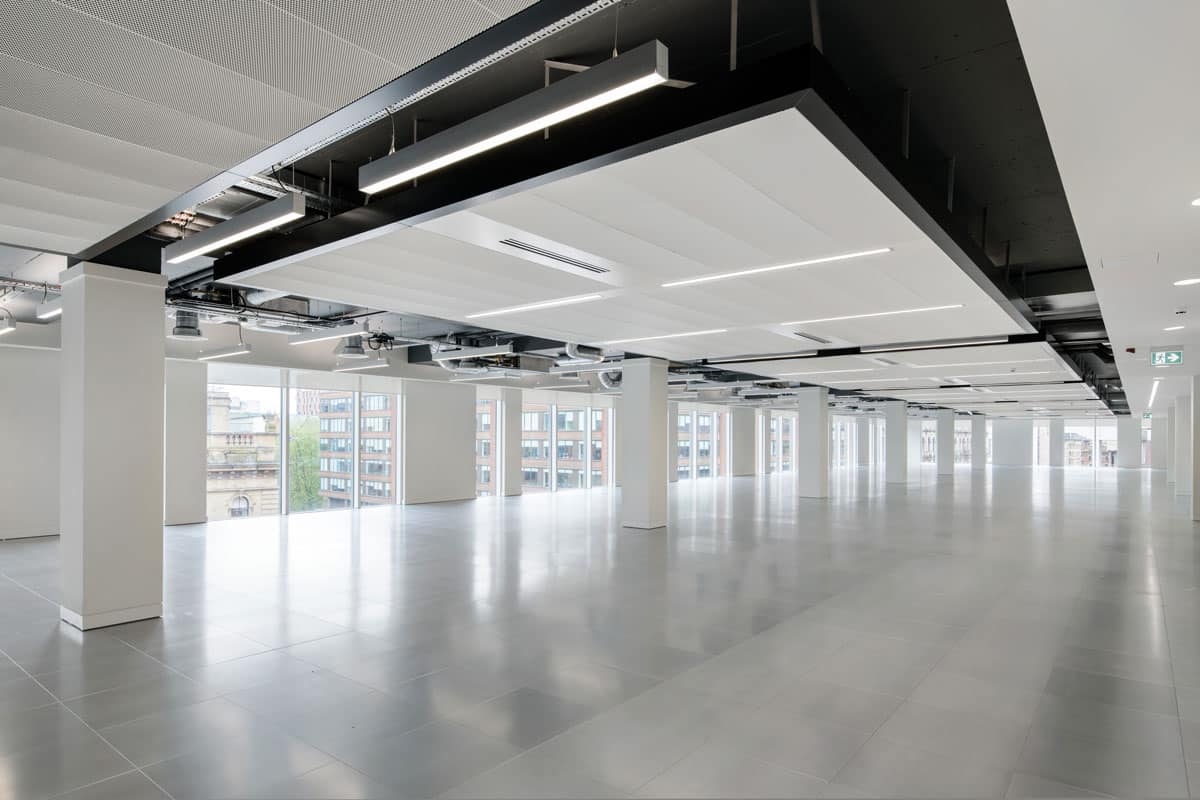
A Cat A fit-out typically provides a blank canvas. This usually includes essential finishes such as raised floors, suspended ceilings, lighting, air conditioning and basic services. However, it does not include furniture, branding or layout-specific design. As a result, the space is ready for occupation but not ready for use.
In contrast, a Cat B fit-out transforms that space into a fully functional workplace. This includes meeting rooms, workstations, breakout areas, branding, finishes and technology integration. Therefore, Cat B is where the office becomes tailored to your people and your business.
Cat A+ sits between the two. It offers a more complete, ready-to-use solution that may include furniture, meeting rooms and basic finishes. As a result, it provides a quicker route to occupation, particularly for businesses looking for flexibility.
Why the Lines Are Becoming Blurred
The distinction between these fit-out types is no longer as clear as it once was. Businesses are now looking for solutions that combine speed, flexibility and quality. As a result, Cat A+ has grown in popularity as a hybrid option.
At the same time, landlords are offering more fitted or partially fitted spaces to attract tenants. This shift means that businesses are often choosing from a wider range of starting points rather than a simple Cat A or Cat B decision.
Therefore, the focus is no longer just on definitions. Instead, it is about selecting the right approach based on how your organisation works.
Choosing the Right Fit-Out for Your Business
The right choice depends on several key factors. First, consider how quickly you need to move. If speed is a priority, Cat A+ can offer a practical solution with minimal upfront design work. However, if your goal is to create a fully tailored environment, Cat B will provide greater flexibility.
Next, think about your workplace strategy. If your business has specific requirements around collaboration, focus or hybrid working, a bespoke Cat B fit-out is often the better option. This allows the space to be designed around your people rather than adapted from a pre-existing layout.
Budget is also an important consideration. While Cat A may appear cost-effective initially, it often requires additional investment to become usable. In contrast, Cat A+ can reduce upfront costs and programme time. However, it may limit customisation. Therefore, it is important to assess value rather than just initial cost.
The Rise of Cat A+ as a Flexible Solution
Cat A+ has emerged as a response to changing workplace demands. Businesses are increasingly looking for spaces that are ready to use but still offer a degree of flexibility.
For example, shorter lease terms and changing team sizes mean that organisations want to avoid long fit-out programmes. As a result, Cat A+ provides a practical solution that balances convenience with functionality.
However, it is important to recognise its limitations. While Cat A+ can be efficient, it may not fully reflect your brand or support long-term business needs. Therefore, it is often best suited to businesses prioritising speed or flexibility over full customisation.
How Specification Impacts Cost, Speed and Experience
The level of specification chosen has a direct impact on several areas of a project.
A higher specification typically leads to improved employee experience. For example, better materials, acoustics and lighting can enhance comfort and productivity. At the same time, thoughtful design can support collaboration and wellbeing.
However, higher specification also requires careful planning. While it may increase initial costs, it can deliver long-term value through improved performance and employee satisfaction.
Speed is another factor. Cat A+ solutions can significantly reduce programme time. In contrast, Cat B fit-outs take longer but provide a more tailored result. Therefore, the decision should align with both your timeline and your long-term objectives.
Conclusion
Choosing between Cat A, Cat A+ and Cat B fit-outs is no longer a simple decision. As workplace expectations evolve, businesses must consider how their space will support performance, culture and growth.
Rather than focusing solely on definitions, it is important to take a strategic approach. By understanding how each option impacts cost, speed and experience, you can select a solution that aligns with your business needs.
Ultimately, the right fit-out is one that supports how your organisation works today while allowing flexibility for the future.
