Using Interior Design to Boost Wellbeing and Creativity at Work

Art is becoming a meaningful part of modern workplaces. When used with calm, human centred design principles, it can shape how people feel, think and work. Businesses now understand that the right surroundings can reduce stress and influence creative thinking. This has encouraged organisations to explore how artwork, colour, biophilic design and acoustic control can create calmer and more productive environments.

At ADT Workplace, we take a strategic view of how design choices support wellbeing. This is far more than adding decorative pieces. Instead, it involves a thoughtful assessment of how people use space, how they interact with their surroundings, and how creative expression can support a positive workplace culture.

The role of art in promoting workplace wellbeing

Research shows that art can lift mood, reduce anxiety and support a sense of belonging. Studies referenced across several workplace wellbeing sources highlight that art helps people feel more connected to their environment. It can calm the mind, influence resilience and support better focus. When artwork is placed with purpose, it can also encourage reflection, create talking points and foster collaboration.

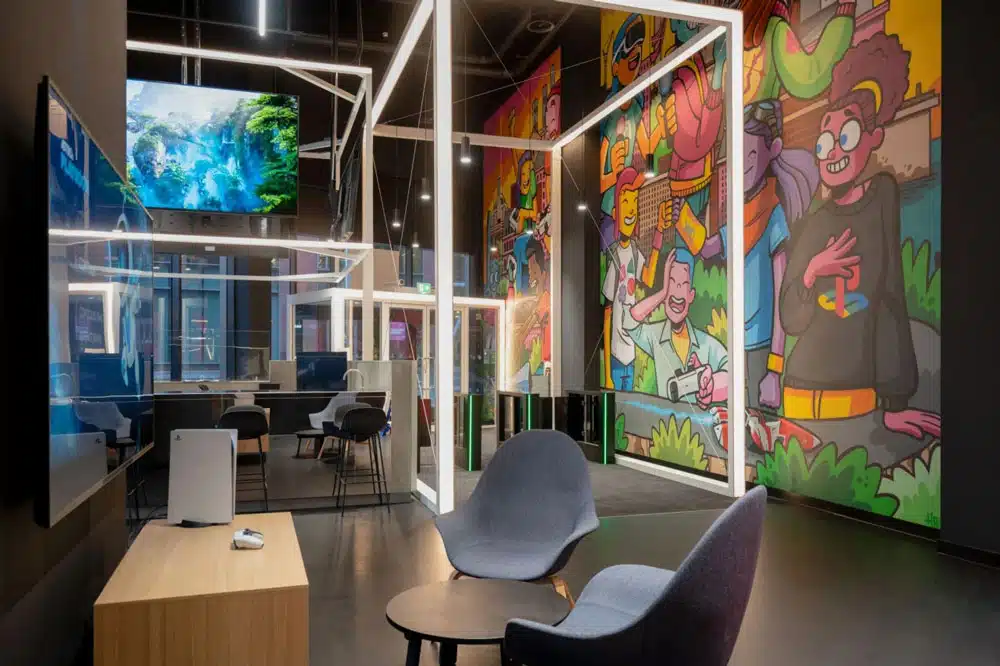
Within a workplace fit out, art becomes part of a wider wellbeing strategy. It supports visual comfort, strengthens brand identity and allows teams to feel proud of their surroundings. Many companies now choose artwork that reflects their values, their history or their local community. This helps people feel grounded and creates a sense of shared purpose.

Calm design principles and how they support people

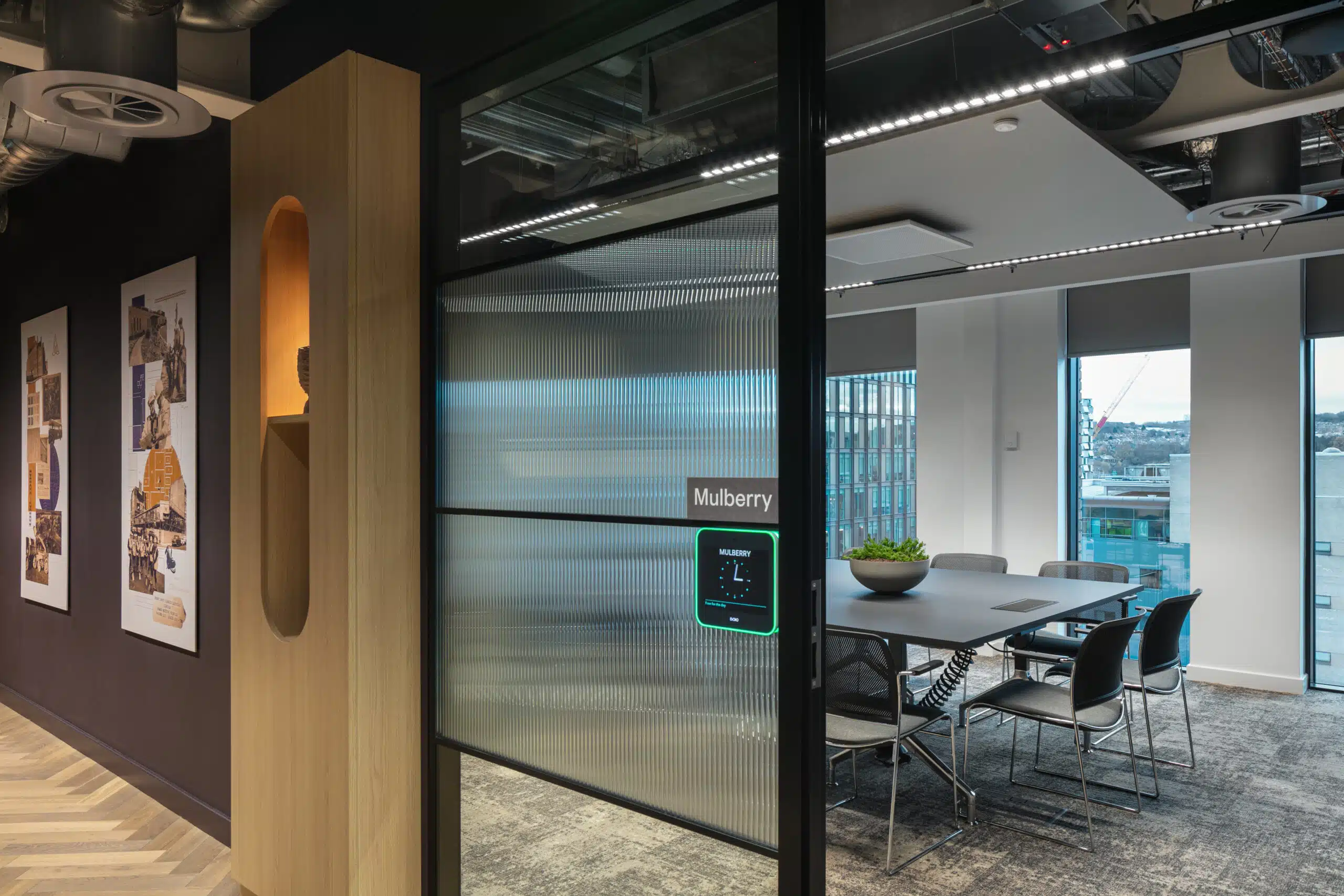
Calm spaces help people think more clearly. They balance sensory stimulation with visual order and thoughtful use of natural elements. A calm design strategy will look closely at colour, materials, lighting, zoning and texture. It avoids clutter, improves clarity and reduces cognitive load.

Soft, natural colours create an atmosphere that feels controlled and reassuring. Warm neutrals, muted greens and soft blues often support a calm response because they echo natural landscapes. These tones work well in breakout spaces, quiet zones or areas designed for creative thinking. They also provide an ideal backdrop for artwork, making each piece feel intentional without overwhelming the space.

The impact of biophilic cues and natural materials

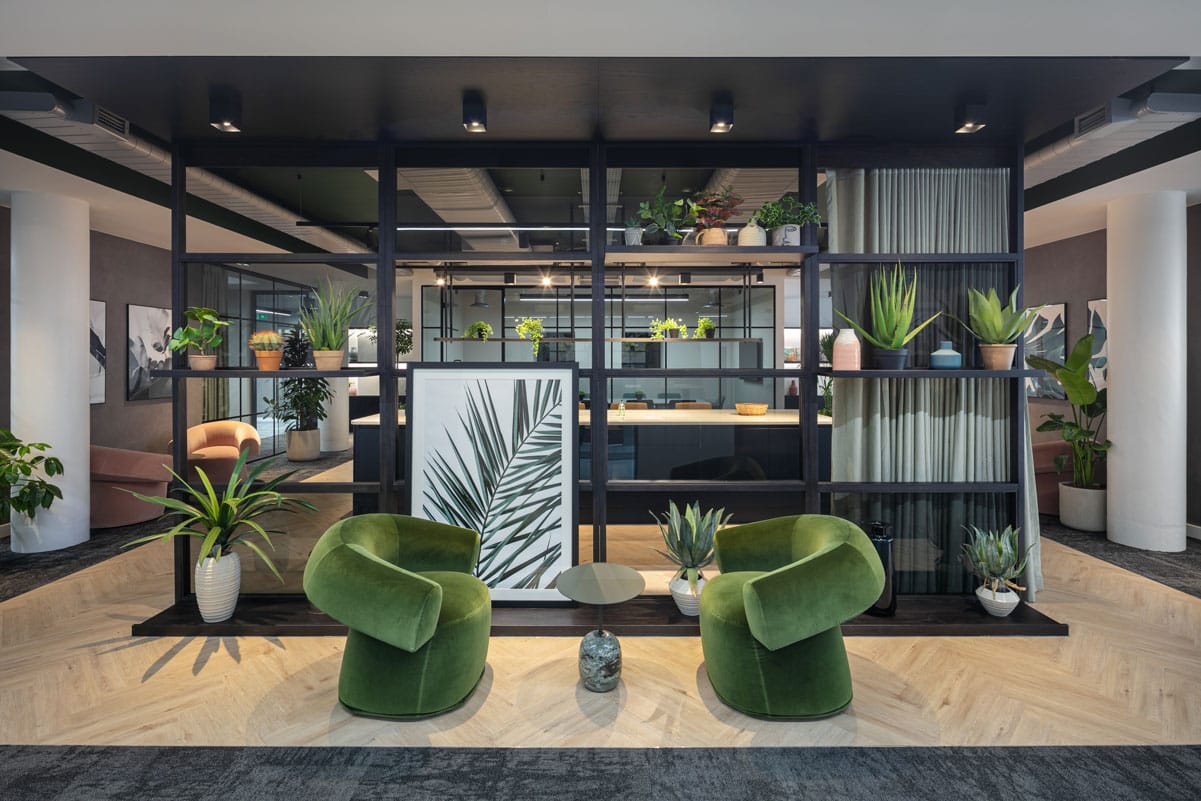
Biophilic elements are known to support calmness. Natural materials, indoor planting, textured finishes and artwork inspired by nature can help regulate stress levels. Studies show that images of natural scenes can have a positive effect on mood and concentration, even when plants are not present. This makes nature inspired artwork a powerful and flexible tool in workplace design.

At ADT Workplace, biophilic cues are used with care. We consider where greenery and nature focused elements will have the greatest effect. These choices help staff feel connected to their workspace and can encourage movement through different zones.

Acoustic zoning that enhances focus and comfort

A calm environment considers sound as well as visuals. Acoustic treatments help people feel more comfortable because they reduce distractions and support concentration. When sound is controlled, artwork can become part of an acoustic strategy. Large framed pieces or textured installations can soften echoes. Sculptural acoustic panels introduce art in a functional way, supporting both wellbeing and performance.

By blending art with acoustic planning, workplaces can balance quiet zones, collaborative areas and social spaces. This aligns with modern hybrid working patterns where variety and choice are essential.

Lighting and colour that influence creativity

Lighting has a direct impact on mood. Natural light supports alertness and general wellbeing, while soft, warm lighting encourages calmness in social or breakout areas. Artwork that responds well to natural light will often feel more engaging, which is why placement is so important.

Colour affects creativity too. Research shows that certain palettes help people switch between tasks. Calm colours support focused work, while brighter accents can stimulate ideation. Art allows designers to bring these colours into the workspace in subtle, controlled ways.

Creating a consultancy led art and calmness strategy

Many businesses are unsure how to implement art or calm interior design in a structured way. This is where a consultancy led approach is essential. At ADT Workplace, we work with teams to understand behaviours, goals and brand identity before selecting artwork or design features. This ensures every piece supports wellbeing, collaboration or creativity with a clear purpose.

A consultancy framework might include:

  • A review of workplace behaviours to understand where calm spaces are needed most
  • An audit of natural light, materials and acoustic conditions
  • Guidance on art styles that support brand identity
  • Recommendations for colour palettes that improve comfort
  • A plan for biophilic elements that encourage movement and relaxation

This process ensures that art is not an afterthought but a meaningful part of a wider workplace strategy.

Conclusion

Art and calm design principles help create workplaces that support wellbeing, creativity and better performance. When combined with biophilic cues, controlled acoustics, considered lighting and carefully chosen materials, they shape environments that feel balanced and human centred. With a consultancy led approach, businesses can move beyond decorative choices and create spaces that genuinely improve how people think and feel.

If you would like to design a more inspiring and calming workplace, the team at ADT Workplace can guide you through the full process with a strategy tailored to your needs.

More News and Insights

BREEAM Excellent xandwhy
ART AND CALM IN THE WORKPLACE
Discover how art and calm design principles can improve wellbeing, reduce stress and boost creativity in the workplace.
staff kitchen g2 recruitment
DESIGNING A COLLABORATIVE WORKSPACE THAT ACTUALLY WORKS
Create a collaborative workspace that boosts productivity and supports flexible teamwork. Explore practical design insights shaped by consultancy expertise.
epc and fit-out
EPC AND FIT-OUT: DESIGNING FOR ENERGY PERFORMANCE
Learn how EPC ratings influence office fit-outs and how to future-proof your workplace for energy performance and compliance.