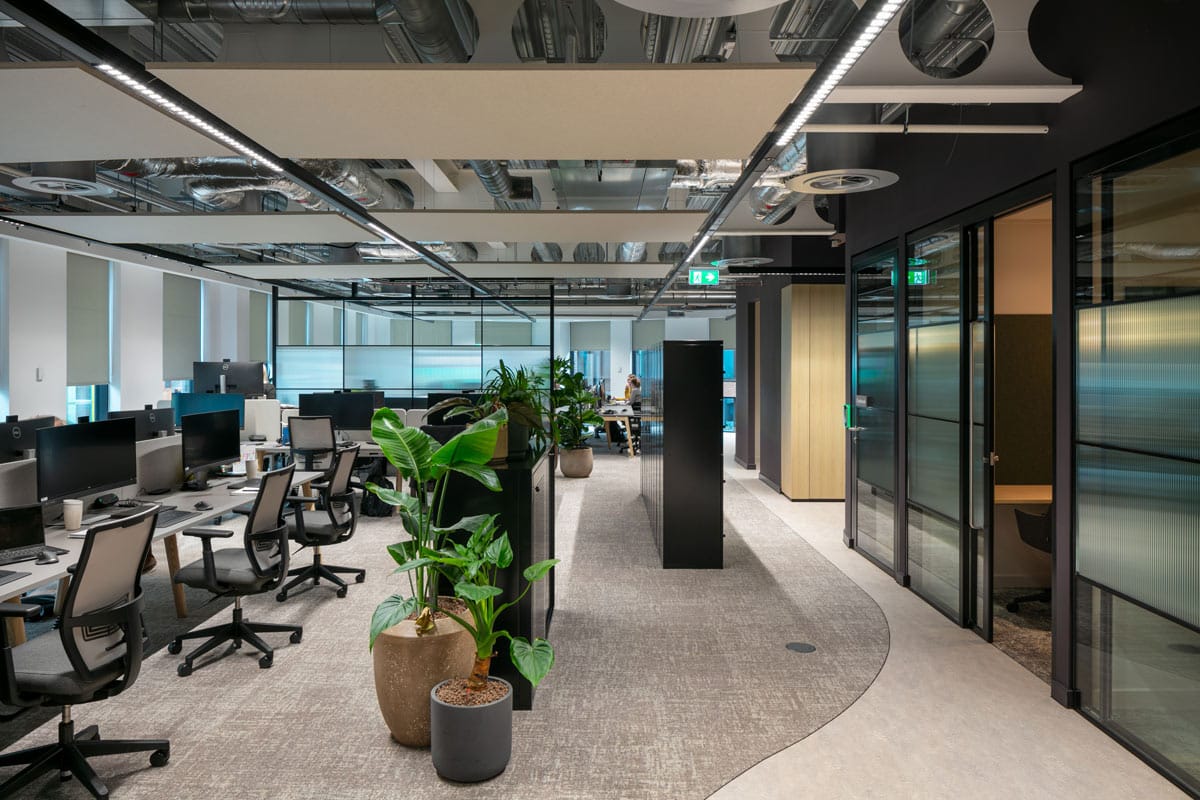
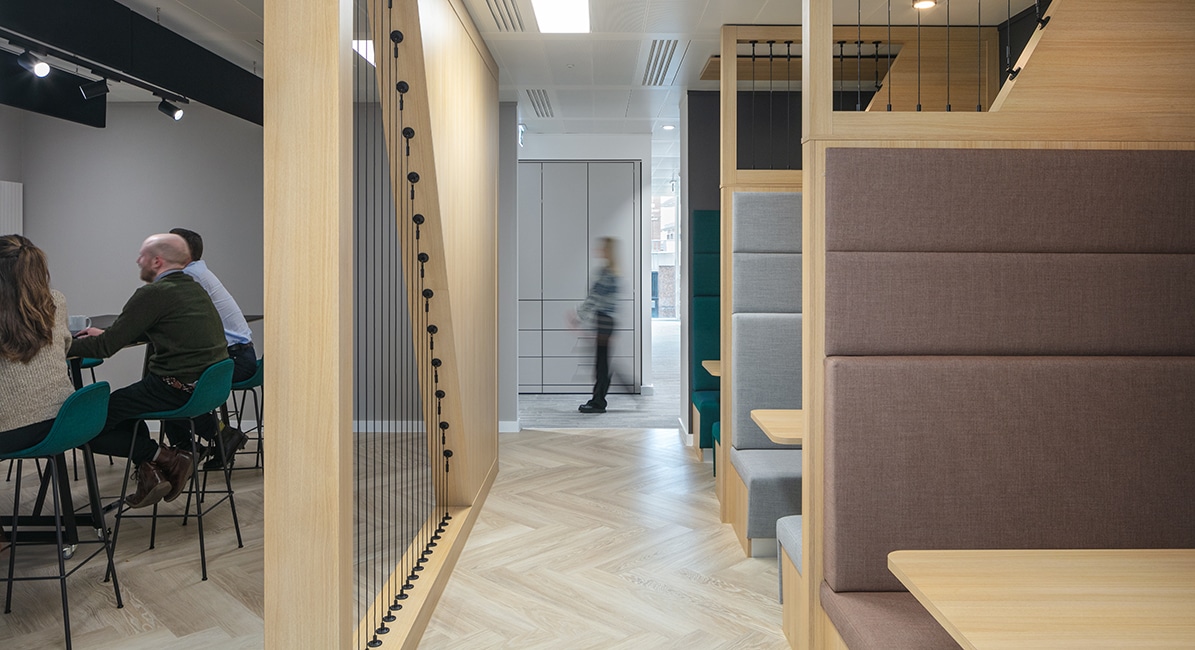
Agile working has become a common phrase. However, it is often misunderstood. Many people assume it simply means hot desking. In reality, agile working is a broader way of organising work. It gives people more choice in where and how they work, based on the task in front of them. Therefore, office design has to support that choice, not restrict it.

Importantly, agile working is both a cultural shift and a physical one. In other words, the layout matters, but so do behaviours, technology, and day to day routines. When those elements align, an agile workspace can improve collaboration, focus, and space efficiency. 

Agile working meaning: a clear definition

Agile working means giving employees the freedom to choose how, when, and where they work. The aim is better outcomes, not simply a different desk each day. As a result, people can move between settings that suit what they need to achieve.

An agile workplace is the environment that enables this. It replaces fixed, assigned seating with a range of shared spaces. Consequently, employees can work in the most suitable zone for the task. 

Agile workspace vs hybrid and flexible working

These terms are linked, but they are not identical.

  • Hybrid working is mainly about location. It supports working remotely for some of the week. Therefore, the office must still work when attendance varies.
  • Flexible working often refers to hours or patterns. It can include part time schedules, staggered starts, or compressed weeks.
  • Agile working focuses on autonomy and activity. It supports different tasks through a mix of settings, technology, and rules of use. In short, hybrid describes where people work, while agile describes how the office supports the way they work when they are in. 

What is an agile workspace?

An agile workspace is designed around variety and movement. It is a modern approach that lets people work anywhere in the office, depending on their goals. Moreover, it is intended to help teams collaborate quickly, share knowledge, and make decisions faster.

ADT Workplace also frames agile space as maximum flexibility, with zoning and settings that match different tasks. Most people are not assigned a permanent desk. Instead, the workplace is planned to provide choice and comfort.

Core components of agile office design

Agile design works best when the office provides a balanced “menu” of spaces. For example:

1) Multiple work zones

Include collaborative areas, open plan team settings, and informal meeting points. However, balance these with quiet zones for focus. This may include phone booths, pods, or areas where calls and conversation are limited. 

2) Space for deep focus

Agility is not only about teamwork. People still need concentrated time. Therefore, dedicated focus areas are essential, especially in busier offices. 

3) Flexible furniture and layouts

Use furniture that can move easily. This supports quick reconfiguration for workshops, project work, and informal huddles. In addition, flexible layouts reduce the risk of space sitting unused. 

4) Technology that supports movement

Agile working depends on seamless connectivity. That includes reliable WiFi, spaces suited to video calls, and simple ways to collaborate. As a result, tech strategy should be planned alongside design decisions.

5) Team “home zones” where needed

Not every business can be fully fluid. Some teams need a clear base, or specialist tools. A hybrid model can work well, using agile settings alongside team zones. 

Benefits of agile working for businesses

When implemented well, agile working can support:

  • Better use of space because desks and meeting rooms are not left empty as often.
  • Stronger collaboration because teams have spaces that suit how they meet and share ideas.
  • Improved employee experience because people can choose the right environment for the task. 

How to introduce agile working without disruption

Agile change works best when it is planned, not rushed.

First, map the activities your teams do each week. Then, translate that into space types and proportions. After that, set clear rules of use. For example, agree how people book desks, where calls should happen, and how shared areas are kept tidy. Finally, support the change with staff engagement so people understand why it is happening.

If you are relocating, it also helps to assess layout flexibility early, alongside practical factors like accessibility and future growth. 

Final thoughts

Agile working means enabling choice. It is a practical strategy that connects culture, technology, and office design. When you plan it properly, an agile workspace supports hybrid patterns, varied work styles, and changing business needs.

More News and Insights

BREEAM certification xandwhy
WHAT AGILE WORKING MEANS FOR YOUR OFFICE DESIGN
Learn the agile working meaning, how agile workspaces support hybrid teams, and what design features make agility work in practice.
office revamp Freetrade Exchange
WHAT WORKPLACE DESIGN CONSULTANTS DO AND WHY THEY MATTER
Learn what workplace design consultants do, when to hire one, and how consultancy improves space, culture and performance.
Interactive Investor
IS A PREMIUM OFFICE FIT-OUT WORTH THE INVESTMENT?
See when a premium office fit-out pays back through productivity, retention and lower running costs. Practical ways to fund it.