Office design is often judged by how it looks at first glance. Feature walls, statement furniture and brand colours can all create a strong impression. However, employees usually notice something different once they use the space every day.
They notice whether the lighting feels comfortable. They notice if the temperature is right. They notice if meeting rooms are always booked, if noise levels are distracting, or if there is nowhere to take a private call.
At ADT Workplace, we believe successful office design should go beyond appearance. It should support how people work, move, focus, meet and relax throughout the day. Therefore, the best workplaces are designed around real employee experience, not just visual impact.
Why Employee Experience Matters in Office Design
A workplace can look impressive, yet still feel difficult to use. For example, a beautiful open-plan office may struggle if people cannot focus. Likewise, a stylish breakout area may fail if it is too far from where teams work.
Employee experience matters because it shapes how people feel about the office. It also affects how often they use it, how well they perform, and how connected they feel to the business.
As a result, workplace design should begin with behaviour. Before choosing finishes or furniture, it is important to understand what teams need from the space. This includes focused work, collaboration, social connection, privacy and comfort.
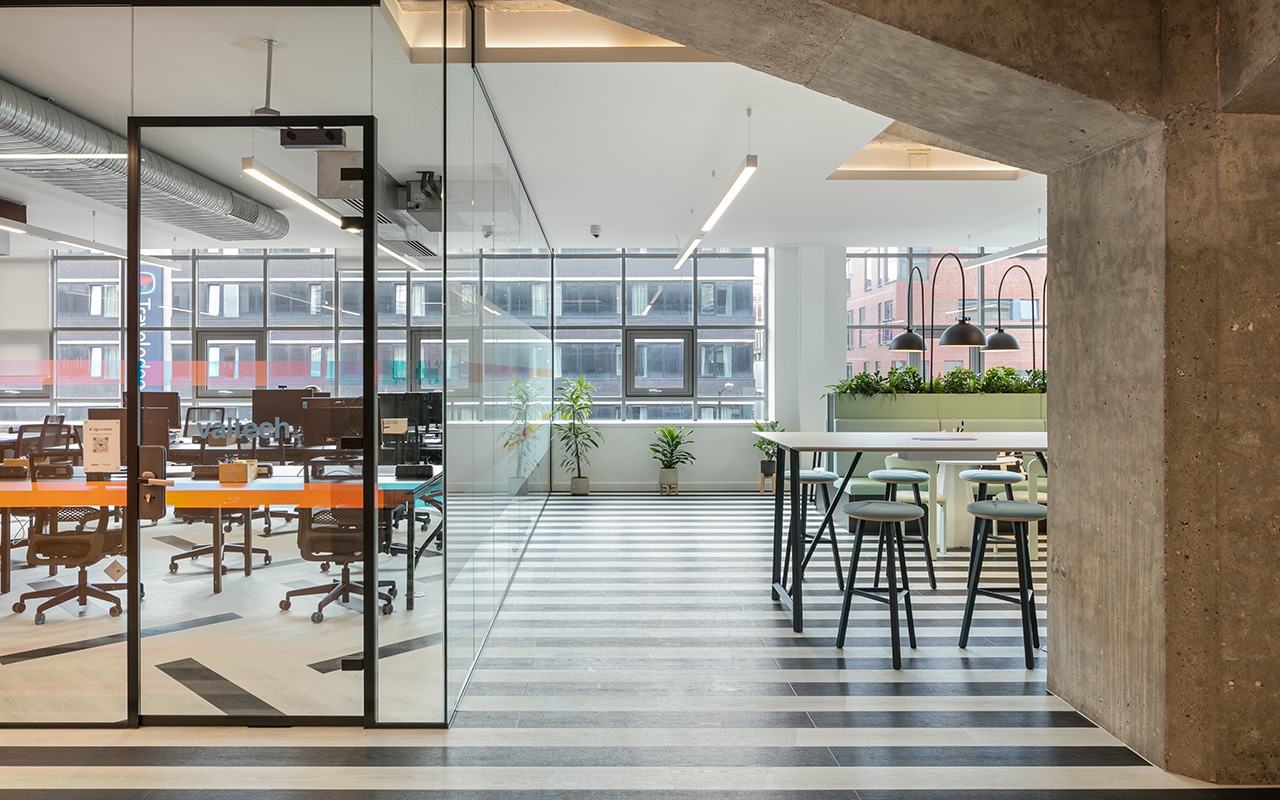
Lighting That Supports the Working Day
Lighting is one of the first things employees notice, even if they do not always mention it directly. Poor lighting can make a workplace feel dull, harsh or tiring. In contrast, well-planned lighting helps create a more comfortable and productive environment.
Natural light is especially important. It can make a space feel more open, welcoming and energising. However, artificial lighting also needs careful planning. Different areas require different levels of light, depending on how they are used.
For instance, focused work areas may need clear, consistent lighting. Breakout spaces may benefit from softer lighting. Meeting rooms, meanwhile, need flexibility for presentations, video calls and group discussions.
Because of this, lighting should never be treated as an afterthought. It should be part of the full workplace design strategy.
Temperature and Air Quality
Temperature is another detail employees notice quickly. If an office is too warm, too cold or inconsistent, it can become a daily frustration. Although it may seem like a small issue, comfort has a direct impact on how people experience the workplace.
Air quality and ventilation are also important. A stuffy meeting room or poorly ventilated workspace can affect concentration and comfort. Therefore, heating, cooling and ventilation should be reviewed during the design and fit-out process.
A well-designed workplace should help people feel comfortable throughout the day. It should also allow for different needs where possible, especially across larger or varied floorplates.
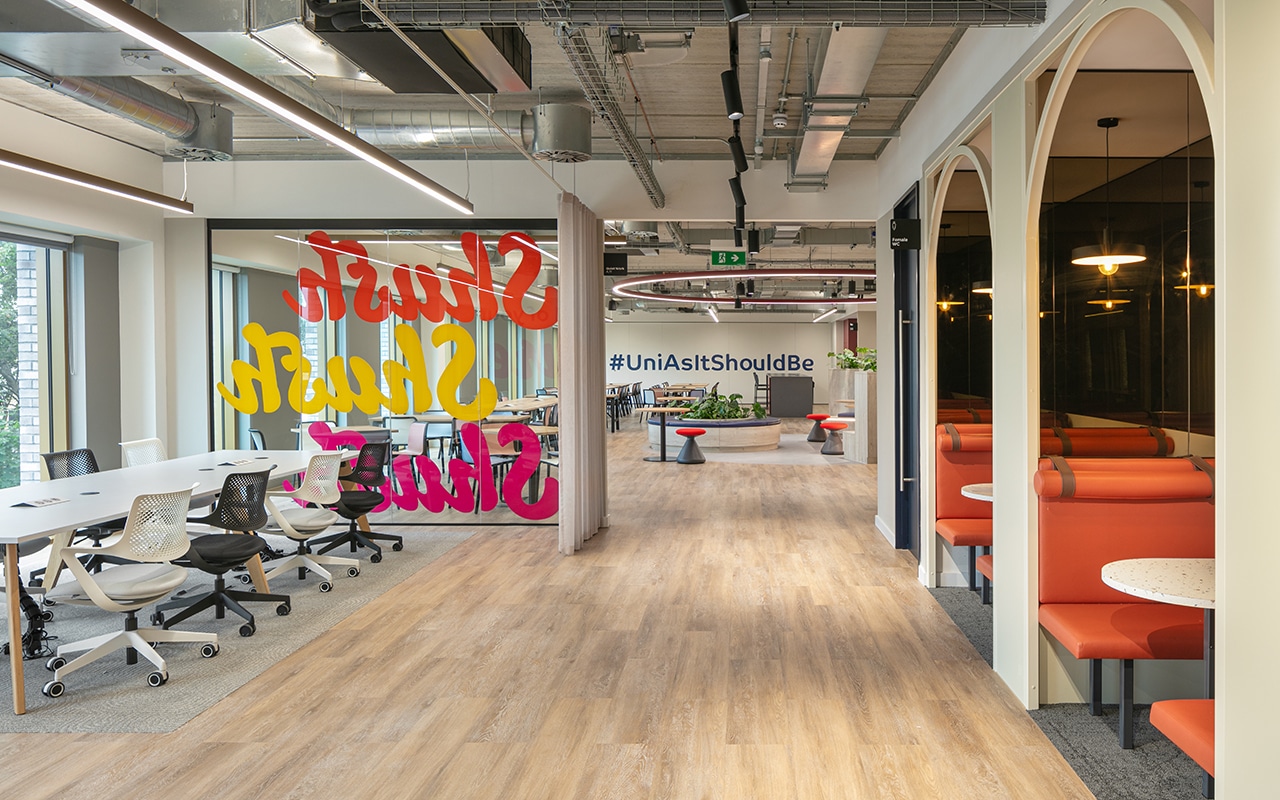
Noise and Acoustic Comfort
Noise is one of the most common issues in modern offices. Open-plan layouts can support teamwork, yet they can also create distractions. Phone calls, informal conversations and movement through the space can all affect concentration.
That does not mean open-plan offices do not work. However, they need to be planned properly. Acoustic treatments, zoning, quiet areas and enclosed rooms can all help control sound.
Employees often notice whether they have options. Can they move somewhere quieter when they need to focus? Can they take a call without disturbing others? Can teams collaborate without affecting nearby desks?
When office design answers these questions, the space becomes easier to use.
Meeting Room Availability
A lack of meeting rooms is another issue employees notice every day. If rooms are always full, teams may end up holding conversations at desks or in unsuitable areas. This can create noise, reduce privacy and make planning harder.
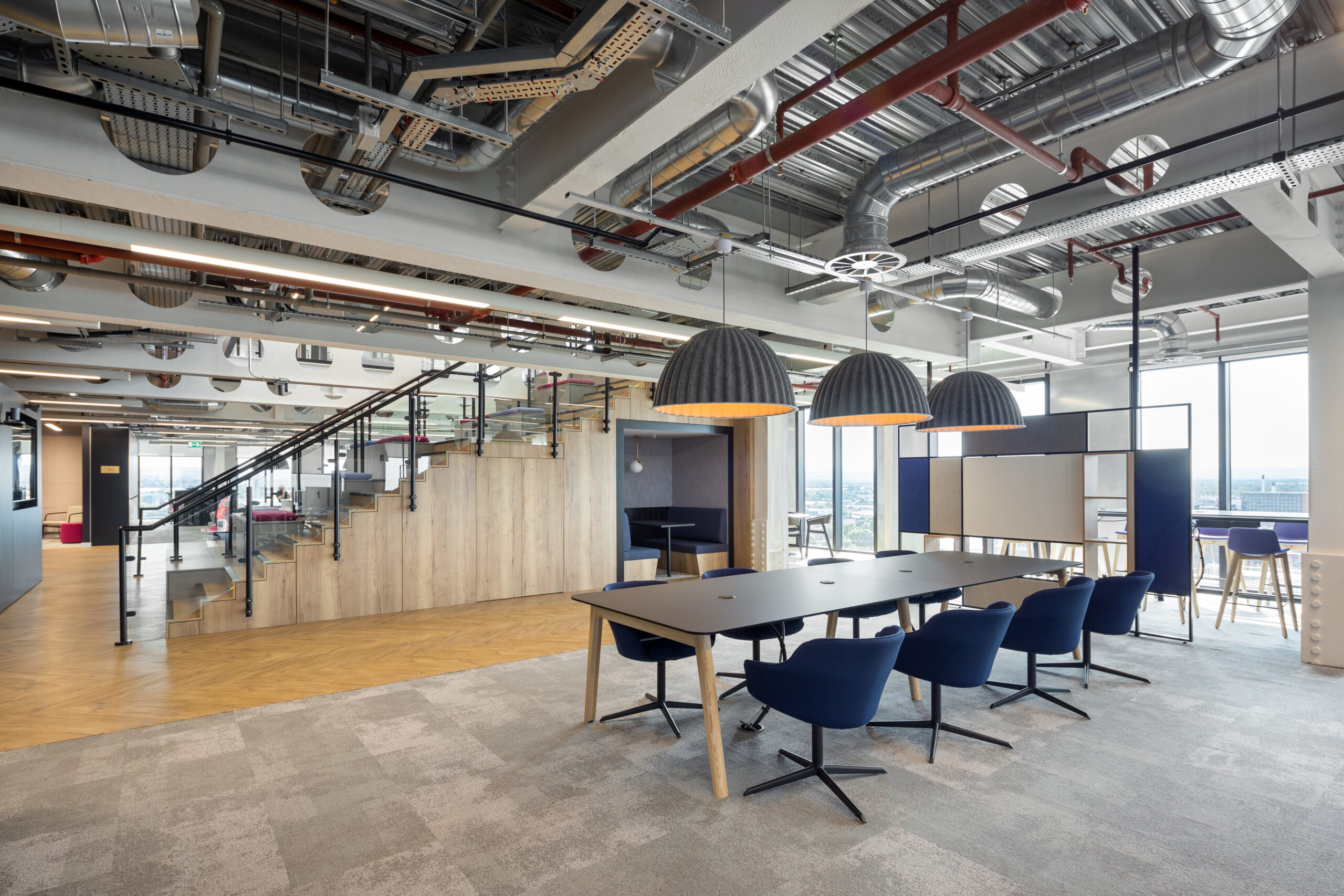
However, the solution is not always to add more meeting rooms. Instead, businesses need the right mix of spaces. This may include small rooms for quick calls, larger rooms for team meetings, video call booths and informal collaboration areas.
By understanding how meetings happen, we can design spaces that support real demand. As a result, the office becomes more practical and efficient.
Privacy When People Need It
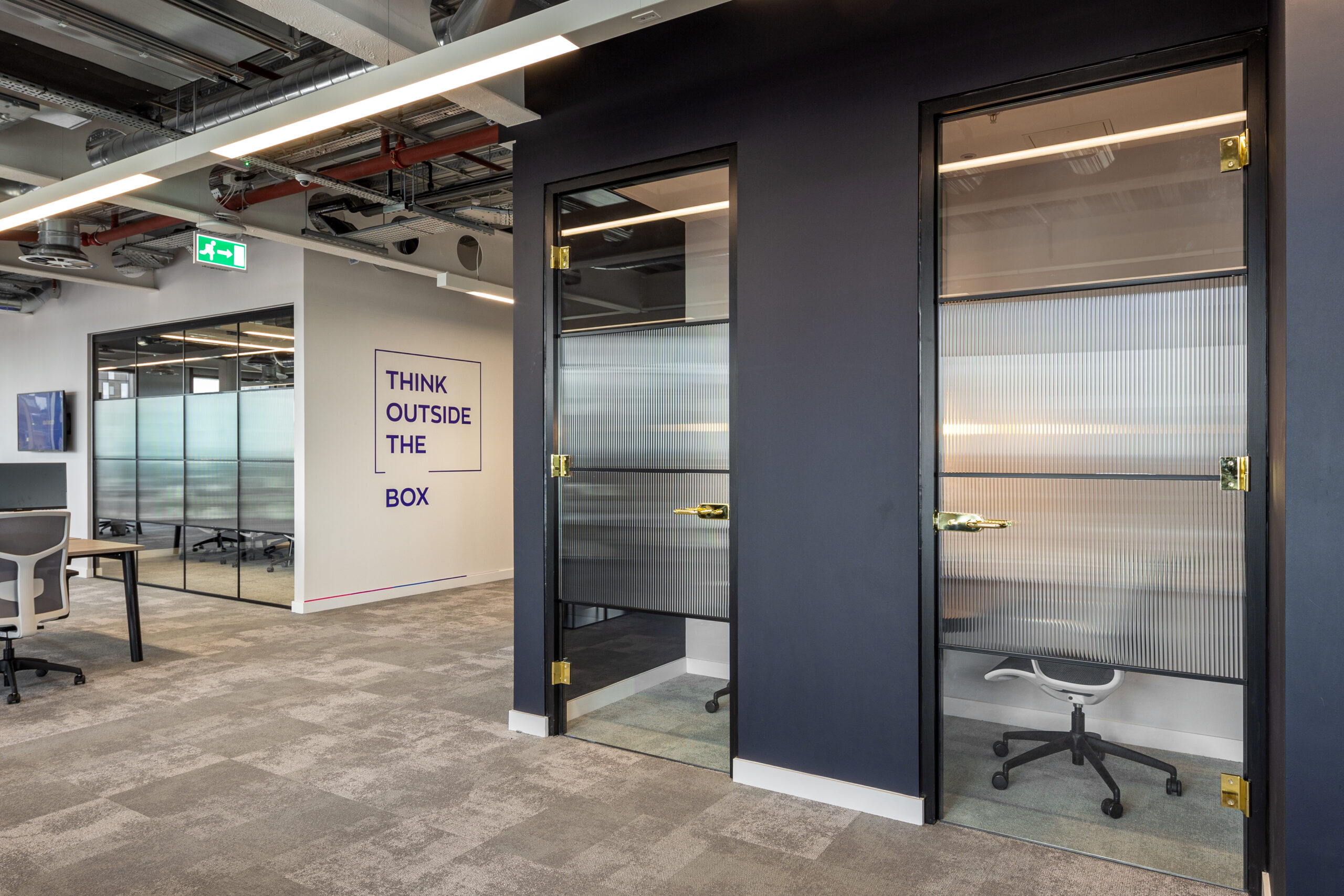
Privacy is often overlooked in office design. Yet employees still need places for confidential conversations, focused tasks and sensitive calls.
This is especially important in hybrid workplaces, where video meetings are now part of daily working life. Without enough private spaces, people may feel exposed or distracted. In turn, this can affect confidence and productivity.
Therefore, privacy should be built into the office layout. It does not have to mean rows of closed rooms. Instead, it can include acoustic booths, smaller meeting spaces, quiet zones and carefully planned desk settings.

Breakout Spaces That People Actually Use
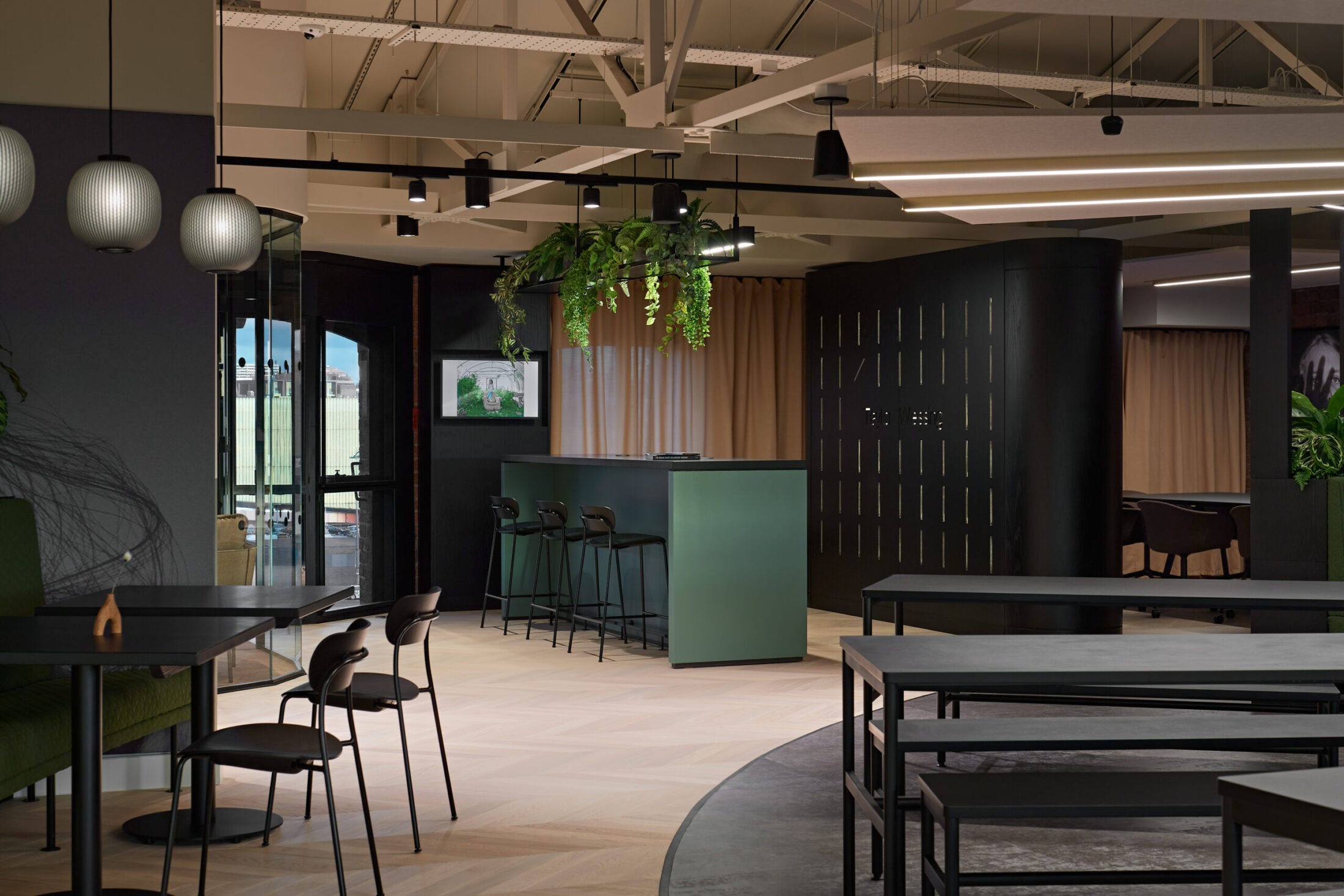
Breakout spaces can add real value to a workplace. However, they need to be designed with purpose. A breakout space should not just fill an empty corner. It should give employees somewhere useful to pause, connect or work in a different way.
Some teams may need relaxed spaces for informal chats. Others may need areas for lunch, short breaks or creative thinking. In addition, breakout spaces can help support wellbeing by giving people a change of setting during the day.
When these spaces are comfortable, accessible and well placed, employees are more likely to use them.
Workplace Comfort and Daily Flow
Employees notice how easy the office is to use. They notice whether desks are comfortable, whether storage is practical, and whether routes through the space feel natural. They also notice if shared facilities are too far away or if certain areas feel overcrowded.
This is where space planning becomes important. A good workplace should support daily flow. People should be able to move between tasks without unnecessary friction.
For example, focused areas should not sit beside noisy social spaces. Meeting rooms should be easy to access. Breakout areas should feel connected, but not disruptive. When these details work together, the whole office feels more considered.
Designing Around What People Really Need
The most effective office design is not only about how a workplace looks. It is about how well it works for the people using it.
At ADT Workplace, we design workplaces that balance appearance, performance and employee experience. Through workplace consultancy, space planning, interior design and office fit-out, we help businesses create spaces that support real working habits.
By focusing on lighting, temperature, noise, privacy, meeting spaces and comfort, businesses can create offices that employees genuinely value.
Ultimately, people remember how a workplace makes them feel. When the design supports their day, the office becomes more than a place to work. It becomes a space people want to use.