A good-looking office is great. However, looks alone do not make a workspace perform. A truly work-ready space supports people, processes and technology from day one. It also stays flexible as your business changes.
Commercial interior design is where this happens. It links layout, infrastructure and finishes into one plan. As a result, your office becomes easier to use, easier to manage and easier to scale.
Below are the key elements that turn design into real workplace performance.
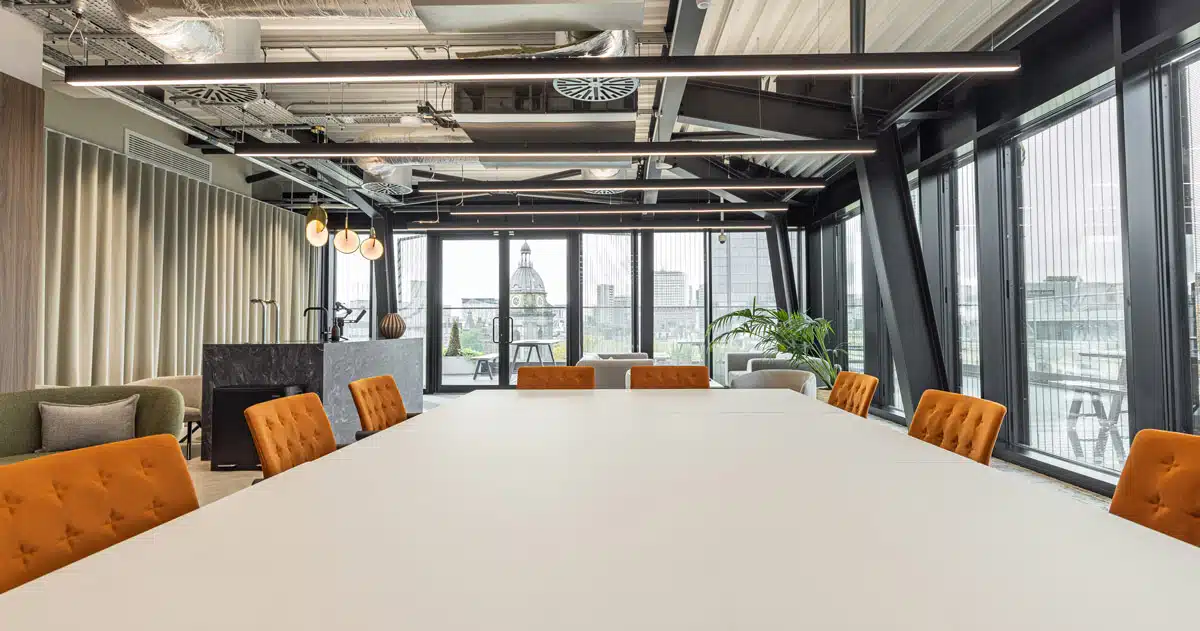
Start with how work actually happens
Before any layout is drawn, you need clarity on how teams operate. For example, do people need quiet focus time, frequent collaboration, or client-facing meeting space? Meanwhile, hybrid patterns can change demand across the week.
A work-ready brief usually covers:
- Team sizes now, and expected growth
- Departments that must sit together
- Meeting habits and room types
- Storage needs and paper flow
- Visitor journeys and reception needs
Once this is clear, the design becomes practical. Therefore, you avoid expensive rework later.
Plan zoning that reduces friction
Zoning is not just an open-plan versus cellular decision. Instead, it is about placing the right spaces in the right places.
A work-ready plan often includes:
- Focus areas away from heavy footfall
- Collaborative areas near core teams
- Phone booths for short calls
- Meeting rooms sized to real demand
- Breakout areas that do not disrupt work
In addition, circulation matters. Clear routes reduce noise and interruption. Consequently, the space feels calmer and more productive.
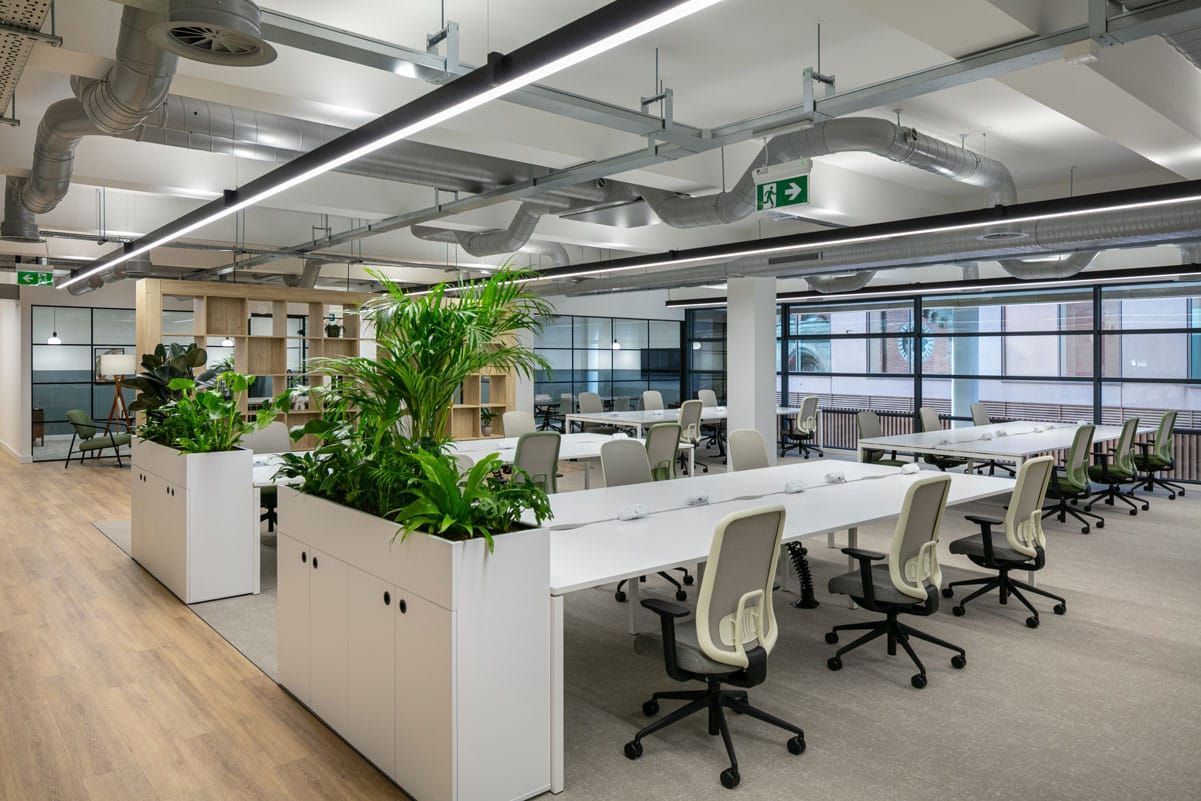
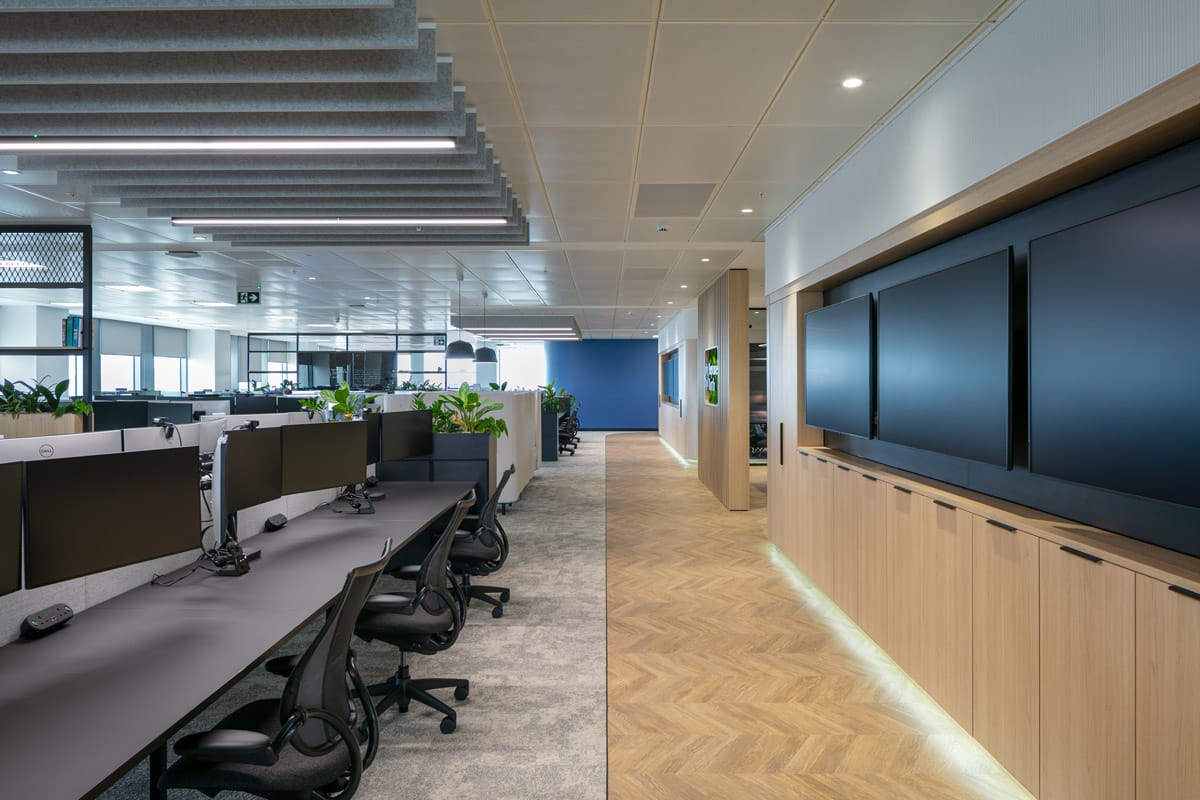
Integrate infrastructure early
This is where many projects fall down. Power, data, Wi-Fi coverage and AV should shape the plan, not follow it.
A work-ready interior considers:
- Desk power and data locations
- Floor boxes or overhead supply, where suitable
- Meeting room screens, VC equipment and acoustics
- Print points and comms cabinet positioning
- Cooling capacity, especially in dense zones
Moreover, don’t forget resilience. For instance, you may need spare capacity for extra desks. You may also need dedicated circuits for specialist equipment.
Get lighting, acoustics and comfort right
Comfort is a performance feature. If a space is noisy, gloomy or stuffy, output drops. So, design should support wellbeing without being gimmicky.
Key work-ready comfort factors include:
- Layered lighting, with task lighting where needed
- Glare control, especially near windows and screens
- Acoustic treatment in open areas and meeting rooms
- Good ventilation and sensible temperature control
- Ergonomic furniture and varied work settings
Furthermore, materials matter. Hard surfaces can look sharp. However, they can also amplify noise. Therefore, finishes should be chosen for both durability and acoustics.
Build compliance and safety into the design
Work-ready means ready to operate safely. That includes compliance with building and fire requirements, as well as practical day-to-day safety.
Design decisions should consider:
- Fire strategy, escape routes and door ratings
- Emergency lighting and clear signage positions
- Accessibility and inclusive design across the floorplate
- Welfare spaces and kitchen safety
- Slip resistance in appropriate areas
Also, landlord constraints can shape what is possible. So, early checks on building rules, licences and approvals are vital.
Support brand and client experience, without sacrificing function
Your office can still feel distinctive. In fact, a work-ready space often communicates brand more clearly, because the environment works smoothly.
Good brand integration includes:
- Reception that matches visitor flow
- Meeting suites that feel consistent and professional
- Clear wayfinding and considered signage
- Finishes that reflect your identity, yet remain robust
However, brand moments should not block circulation. They should not reduce usable space either. Instead, they should enhance the experience while staying practical.
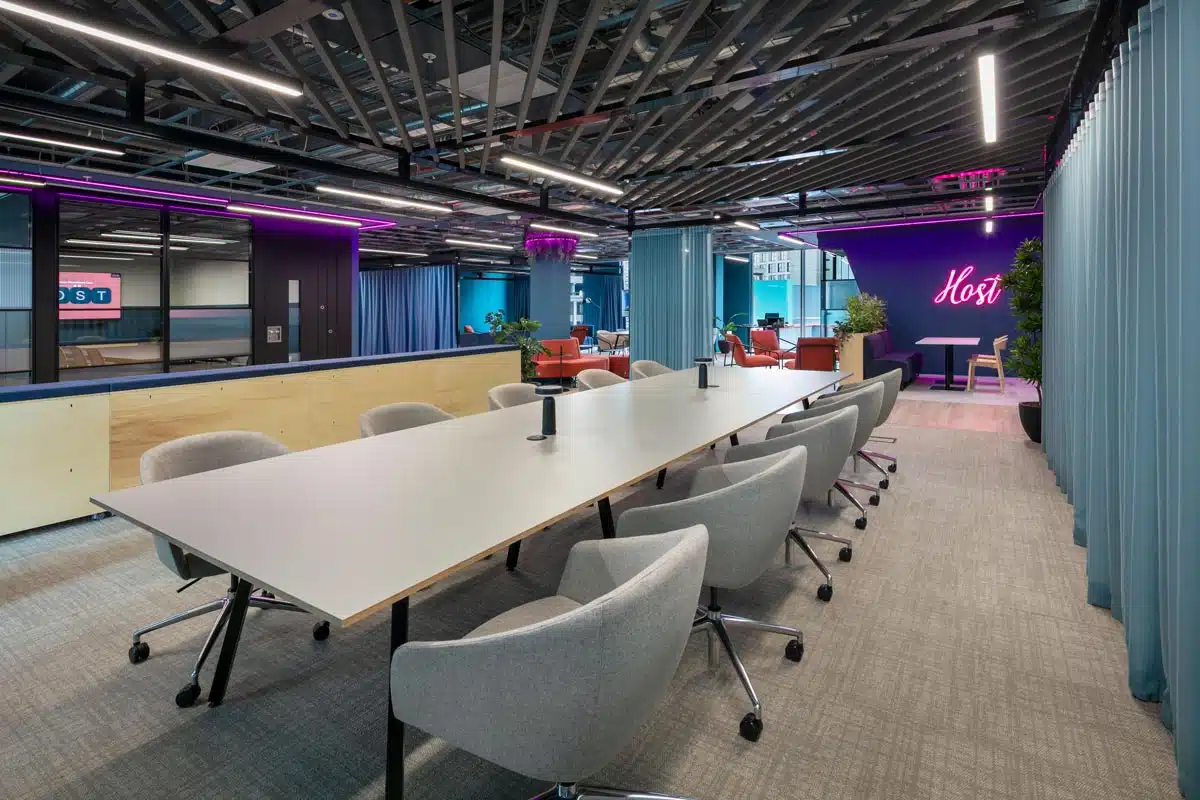
Future-proof for change
Businesses change. Teams grow, shrink and reconfigure. Therefore, flexibility should be designed in.
Common future-proofing features include:
- Modular furniture and demountable elements
- Multi-use spaces that adapt across the day
- Spare power and data capacity
- Storage that can be repurposed
- Layouts that allow additional desks later
In addition, sustainability supports long-term value. Durable finishes reduce replacement cycles. Efficient lighting and services can reduce running costs too.
Make handover and “day one” readiness part of the plan
Even a great fit-out can fail if handover is rushed. Work-ready includes testing, training and clear documentation.
A strong completion process typically includes:
- Commissioning of M&E and AV systems
- Snagging with clear sign-off stages
- O&M manuals and asset information
- User guidance for meeting tech and controls
- A practical move-in plan and phased occupancy support
As a result, teams settle faster. Productivity returns sooner too.
Bringing it all together
Work-ready commercial interior design is more than styling. It is the blend of layout, infrastructure, comfort and compliance. It is also the discipline of planning for real work, not idealised work.
ADT Workplace approaches office fit-outs and refurbishments with this functional mindset. So, if you are planning a redesign or new space, the right design process can help you move in with confidence and perform from day one.