Every successful office interior design project begins with thoughtful choices around materials and textures. These elements do more than make a space look appealing. They influence how people feel, how they interact with their environment, and even how they perform their work. For design‑led organisations and forward thinking businesses, understanding the role of textures and materials helps create commercial interiors with depth, personality and purpose.
Materials and textures are often discussed in the context of furniture and finishes. Yet they play a much broader role in shaping the look and feel of workspaces. Texture refers to the surface quality of a material and can be both tactile (how it feels) and visual (how it appears). Combining these approaches carefully enhances spatial experience beyond colour or layout alone.
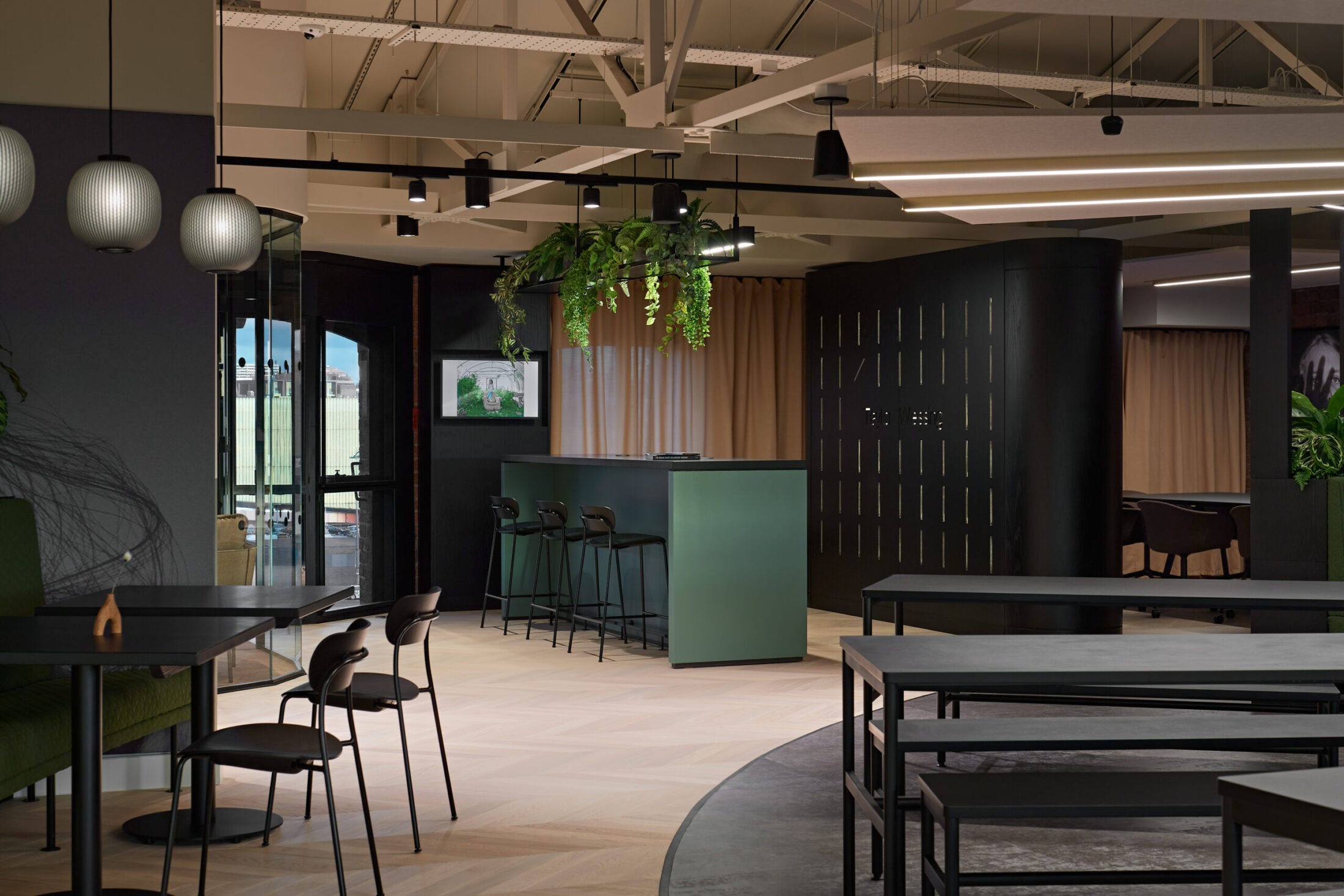
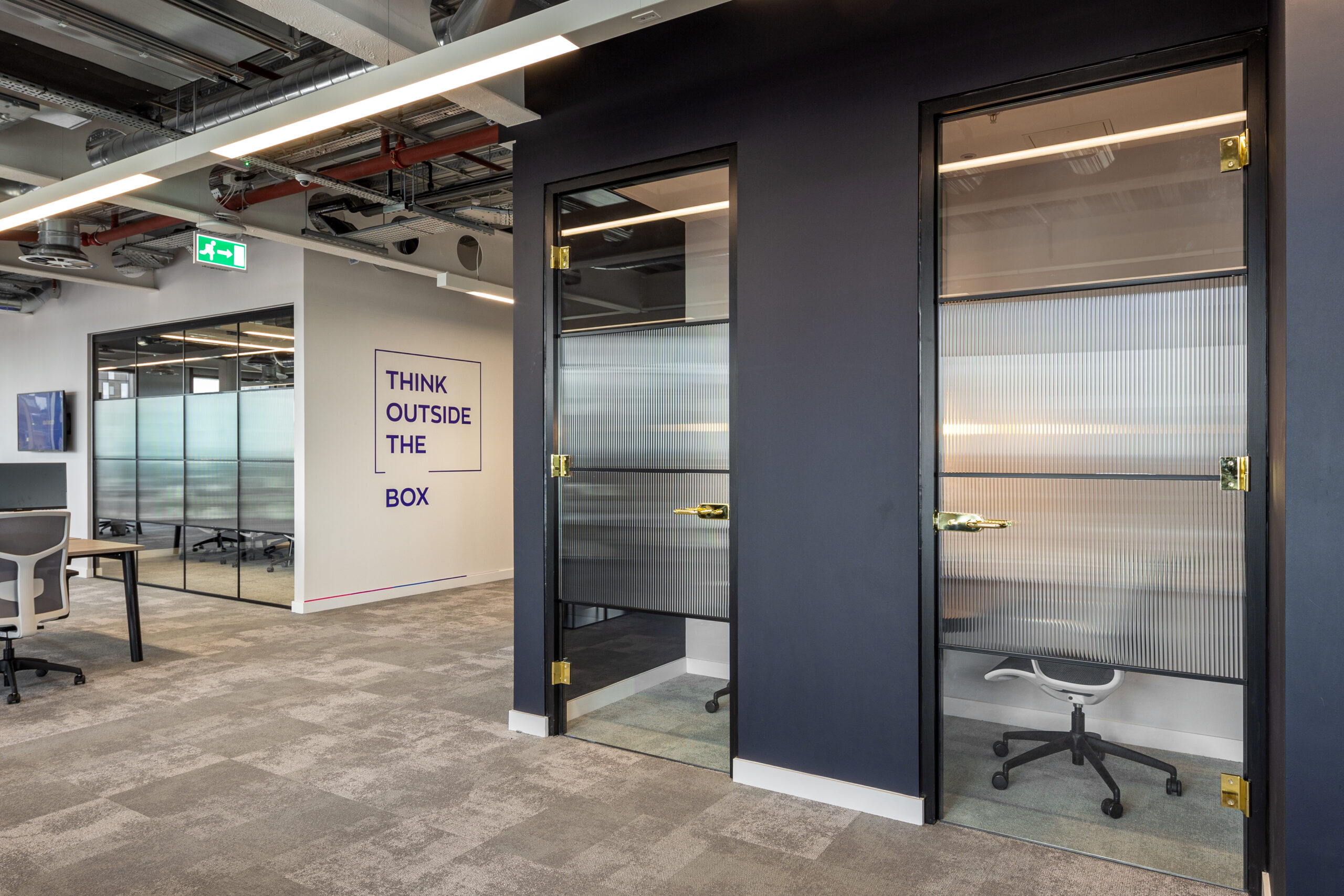
In commercial design, materials set the stage for how occupants perceive and use a space. A sleek glass partition can communicate modernity and transparency, while natural timber or stone brings warmth and connection to nature. When layered thoughtfully, these choices create a sense of balance that supports both performance and comfort.
Why Textures Matter in Office Interiors
One of the key roles of texture is to add depth and dimension. An environment dominated by uniform surfaces can feel flat and uninspiring. Introducing varied tactile elements gives a space visual interest and makes a workplace more engaging for employees and visitors.
Textures can also influence acoustics. Hard surfaces like polished concrete, glass and metal reflect sound, which can lead to unwanted noise in open plan areas. Introducing softer textured materials such as upholstered walls, fabric panels, rugs and soft seating helps absorb sound and improve comfort. By including acoustically considerate materials in the design, the workspace becomes more conducive to focus and collaboration.
Additionally, texture plays a part in zoning and wayfinding within open spaces. Different materials can subtly signal transitions between zones without the need for physical partitions. For instance, a change from hard flooring to carpet can indicate a shift from a circulation route to a focused work area. This strategic use of materials and finish types improves spatial clarity for users.
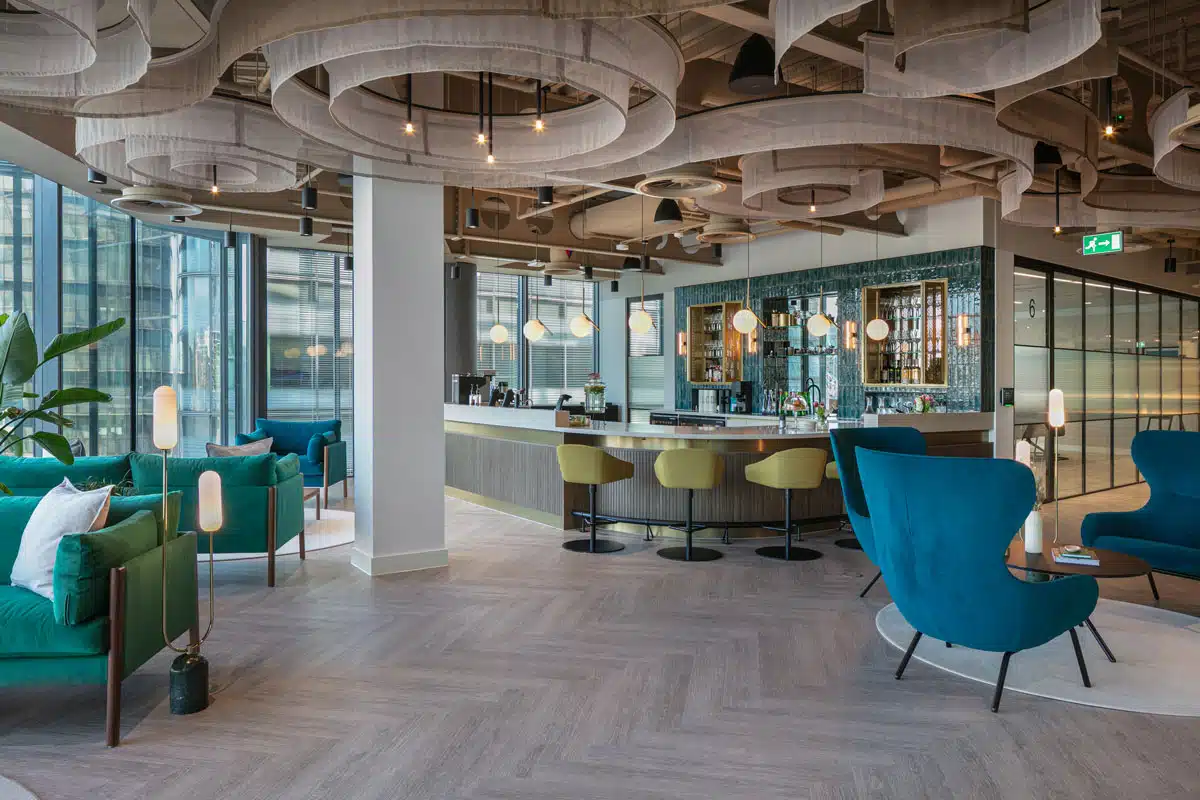

Materials That Elevate Office Spaces
A variety of material types can be used to enrich an office interior. Each has its own sensory qualities and practical performance characteristics.
Natural materials such as wood, stone and rattan bring tactile warmth and a sense of connection with the outdoors. These materials often evoke calm, reduce stress and support biophilic design principles.
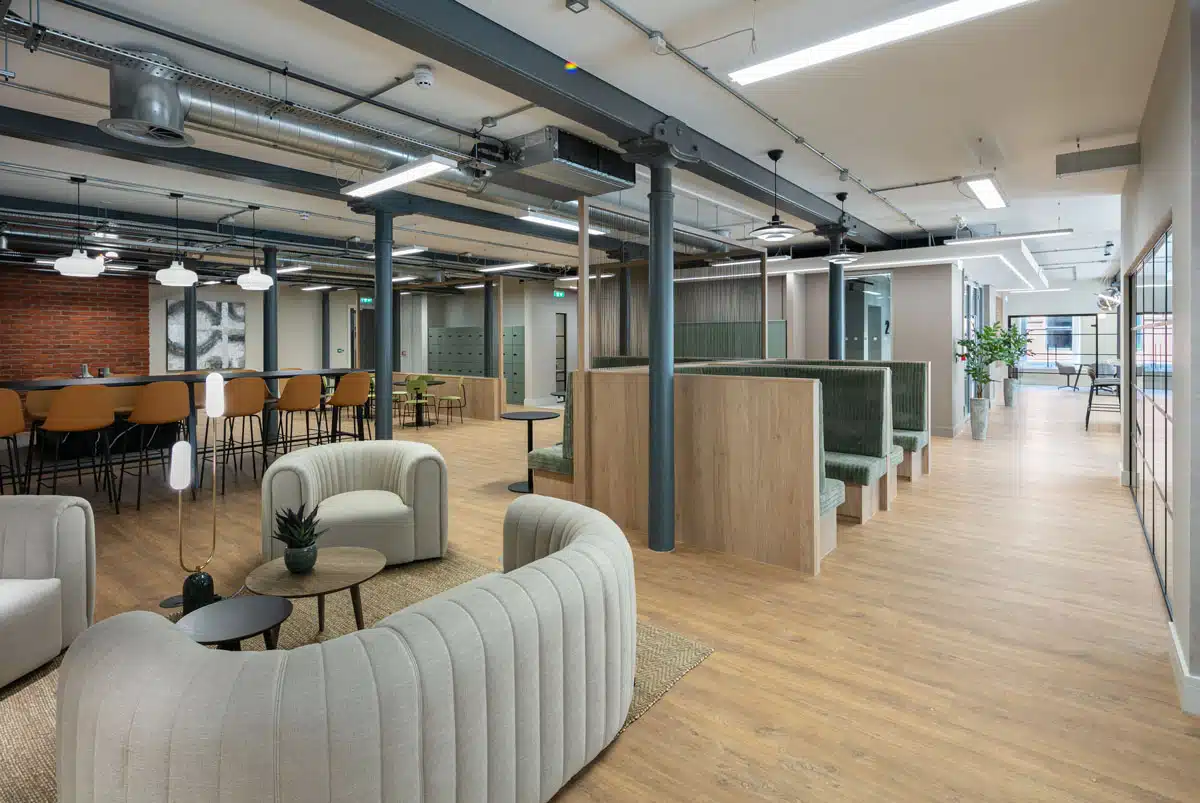
Soft furnishings including upholstered seating, fabric wall panels and rugs introduce texture and comfort. These surfaces are especially effective in breakout areas and lounges where relaxation or informal interaction is encouraged.
Smooth surfaces like glass and polished stone convey professionalism and clarity. These materials are commonly used in reception zones and executive spaces where a modern aesthetic is appropriate.
Contrasting finishes can add visual intrigue. For example, pairing brushed metal fixtures with a warm timber surface provides a balance between industrial precision and natural comfort. This juxtaposition keeps large spaces from feeling monotone and enhances the overall sensory appeal.
Balancing Aesthetics and Performance
Choosing materials for an office environment requires balancing aesthetic appeal with durability and maintenance needs. In high‑traffic areas such as reception zones and corridors, materials must withstand regular use while retaining their appearance. For example, high performance fabrics and hard wearing floor finishes protect against wear and tear without compromising design intent.
Material choices also contribute to sustainability goals. Selecting responsibly sourced woods, recycled content surfaces and finishes with low environmental impact supports broader corporate sustainability strategies. These decisions enhance brand reputation and can improve building performance ratings where applicable.
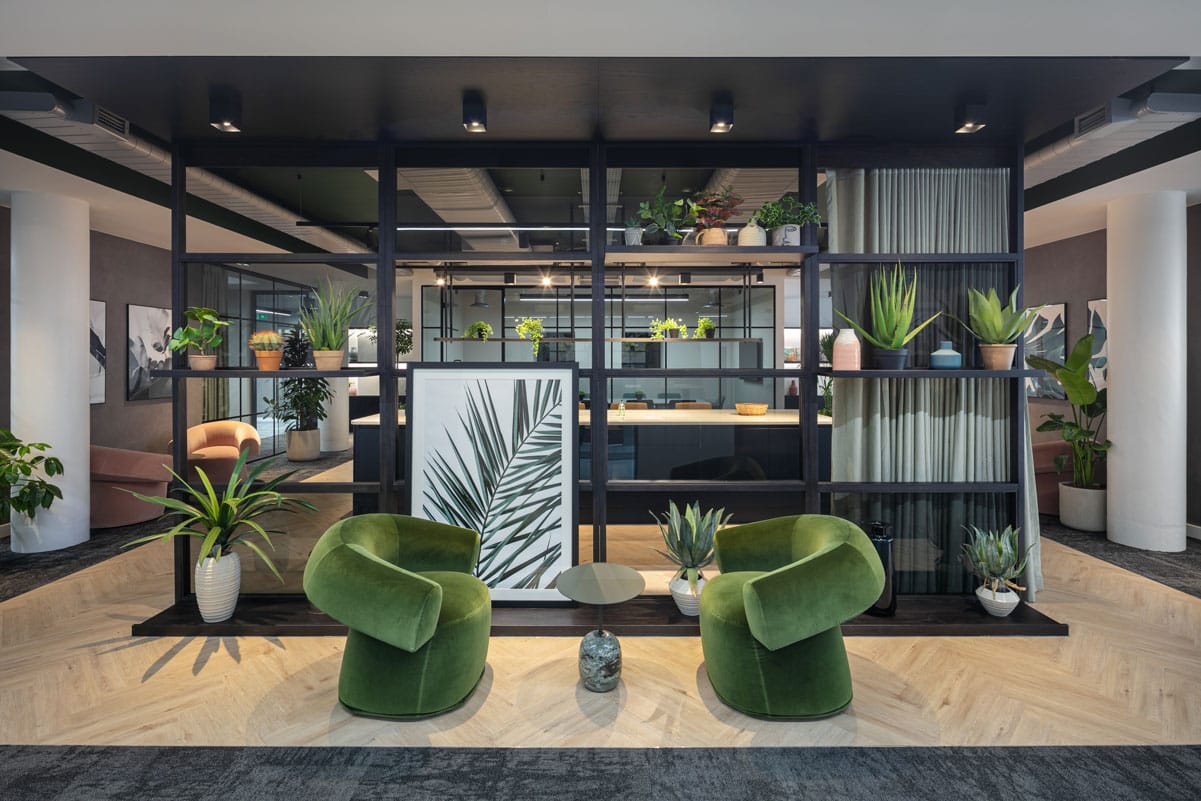
Texture as an Experience
Texture plays a strong role in how people experience and interact with a space. Tactile surfaces can invite connection, making a workspace feel more welcoming. Visual texture, such as patterned wall finishes or layered lighting, draws the eye and creates memorable environments.
Layering textures strategically can help differentiate spaces within a larger plan. A textured carpet in a collaboration zone can signal comfort and encourage connection. In contrast, a visually smooth finish in a formal meeting room can support focus and clarity. These intuitive cues guide how occupants use and move through a space.
Conclusion
Materials and textures are not merely cosmetic additions. They are essential elements of interior design that have a profound effect on comfort, acoustics, spatial clarity and emotional response. A well considered textural palette creates offices that feel inviting, perform reliably and reflect a company’s personality and values.
For organisations seeking design excellence, the thoughtful selection and layering of materials creates spaces where people want to be. By incorporating texture as a strategic design tool, commercial interiors become environments that support performance, connection and long‑lasting value.