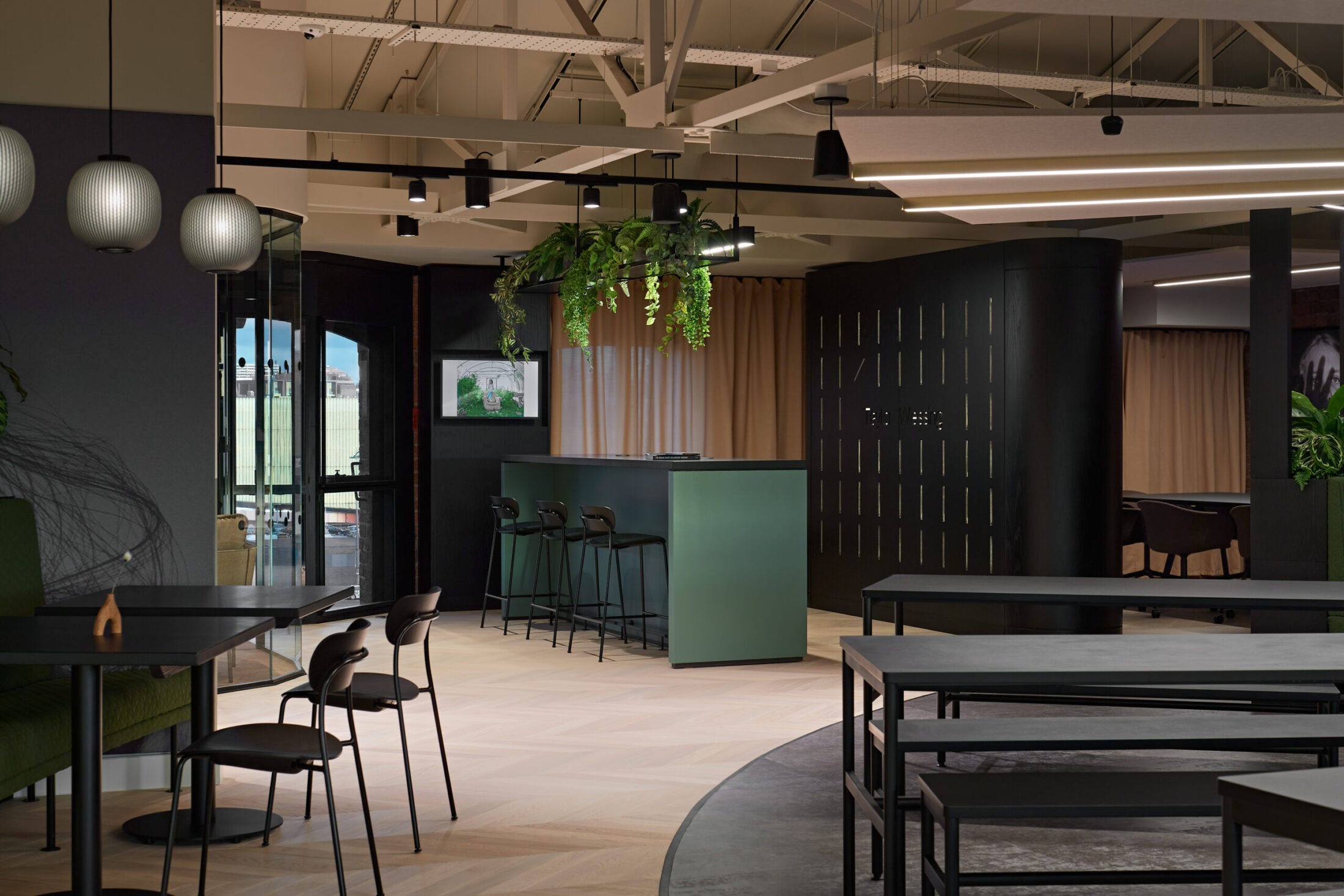
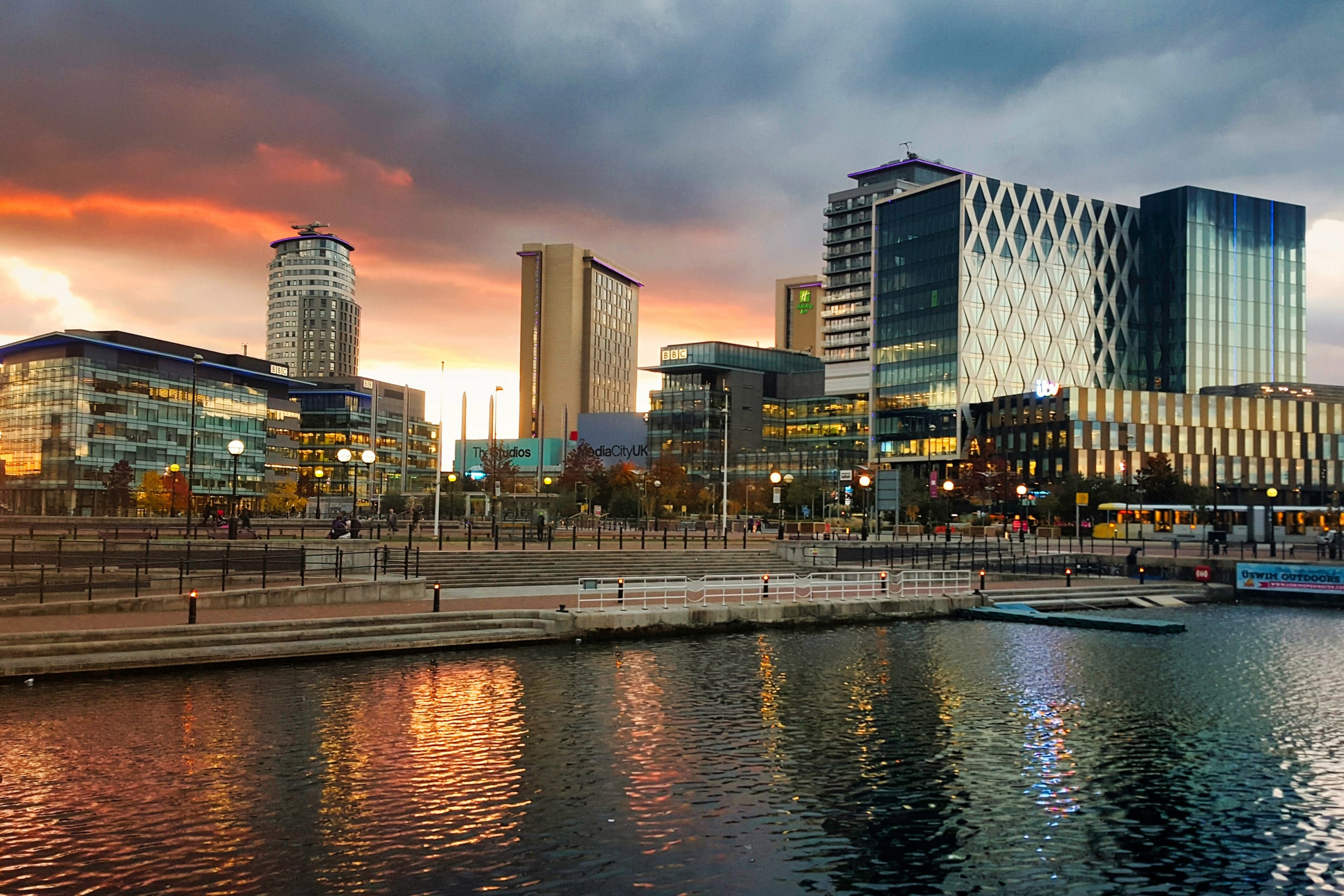
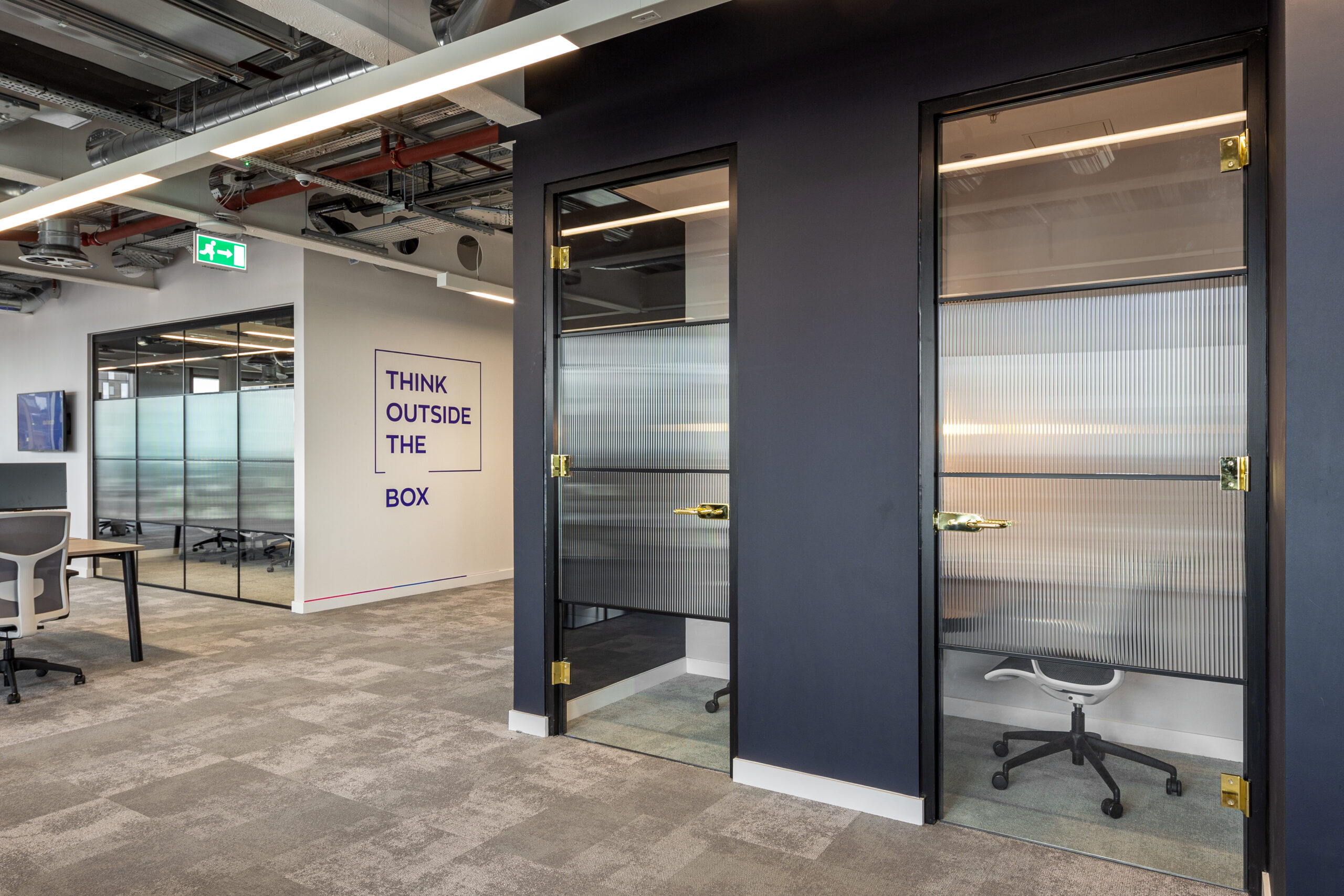
Offices in 2026 need to do more than look good. They must feel intuitive, support different work styles, and stay flexible as teams change. As a result, interior design trends are shifting towards spaces that balance expression with function.
Below are the key interior design trends shaping modern offices in 2026. More importantly, they are ideas you can apply without chasing short lived fads.
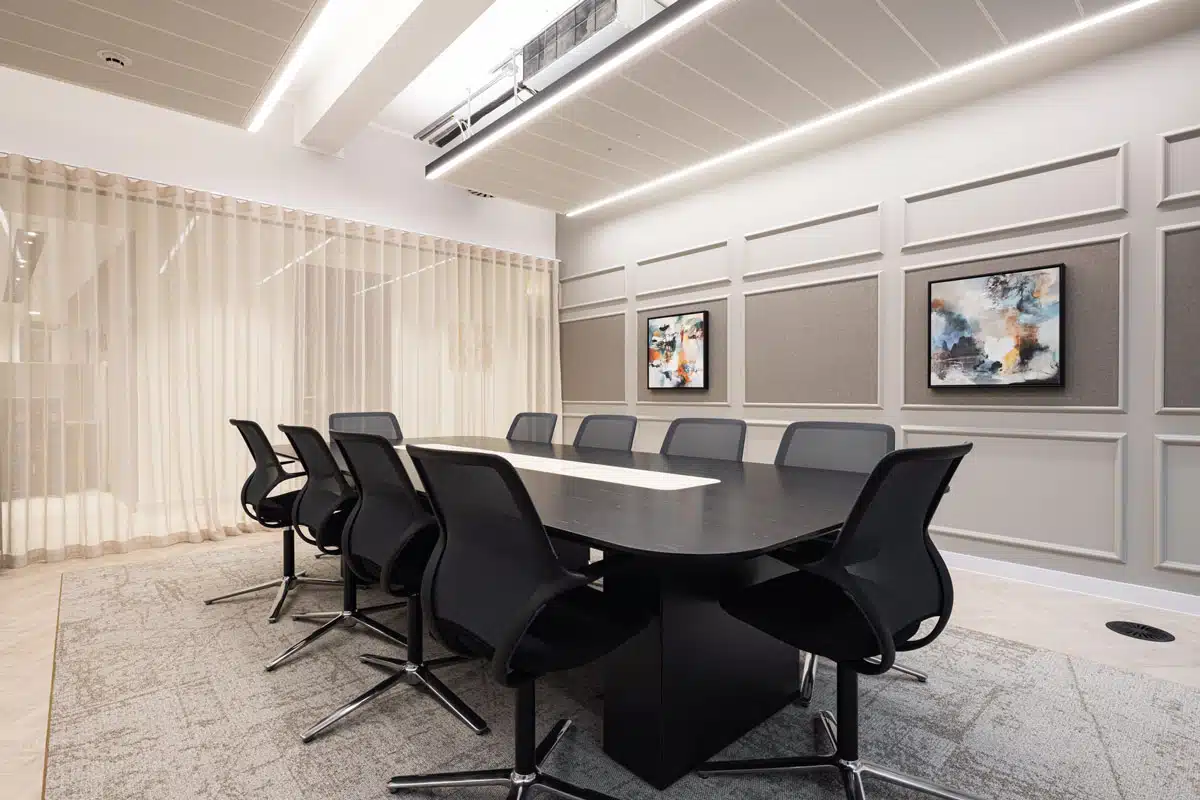
1. Comfort, choice, and personal control
In 2026, comfort is becoming a design priority. However, “comfort” is not just soft seating. It is also about giving people more control over how they work.
For example, teams want options for noise, light levels, temperature, and privacy. Therefore, modern offices are being designed with a wider mix of settings, such as:
- Quiet focus points that feel protected
- Small enclosed rooms for calls and deep work
- Calm corners with softer lighting and better acoustics
When these choices are easy to find, people use the office with more confidence. In turn, the space feels more supportive day to day.
2. Zoning that supports hybrid routines
Hybrid work is now normal. So, offices are planned around activities, not job titles. In practice, this means clearer zoning for focus, collaboration, learning, and social time.
Additionally, better zoning reduces friction. People should not have to cross a noisy hub to reach a quiet area. Likewise, meeting spaces should sit where they make sense, not where they fit.
A useful approach is to design a “neighbourhood” layout. Each neighbourhood can include a mix of settings. As a result, teams can shift tasks without moving across the whole floor.
3. Movement by design, not by chance
Many offices still suffer from “staying put” behaviour. Therefore, designers are encouraging movement through layout decisions.
For instance, shared amenities can be placed to create natural circulation. Meanwhile, social points can be positioned to support chance interaction without disrupting focus zones.
Movement also benefits wellbeing. Even small prompts help, such as wider routes, visible stair access, and varied touchdown points. Consequently, the office feels more active and less static.
4. Inclusive interiors with clearer sensory choices
Inclusive design is moving beyond a single room labelled “quiet”. Instead, inclusivity is being built into the full layout.
That includes sensory variety. Some people need calm, predictable spaces. Others thrive in energetic settings. So, offices in 2026 are adding more choice across:
- Acoustics and sound control
- Lighting tone and glare reduction
- Seating types and posture options
- Clear wayfinding and visual cues
Importantly, inclusivity also means clarity. If a space looks and feels like a focus zone, people will treat it that way. As a result, behaviour becomes easier to manage.
5. Spaces that work harder through simple activation
Even a well designed space can fail if people do not know how to use it. Therefore, “activation” is becoming part of interior planning.
Activation can be light touch. For example, it might include better naming of areas, visual prompts, and simple etiquette cues. It can also include workplace inductions, especially for hybrid teams.
When people understand the purpose of each zone from day one, the office develops better routines. In turn, social areas and collaboration zones get used properly.

6. Flexible infrastructure for future change
Adaptability is a major trend for 2026. However, flexibility is not just movable furniture. It starts with the foundations of the space.
Rigid desk clusters, fixed power, and heavily bespoke joinery can lock layouts in place. Consequently, even small changes become costly.
Instead, future ready offices focus on:
- Modular elements that can be reconfigured
- Power and data planned for multiple layouts
- Consistent circulation that still works after changes
This kind of “future proofing” also helps reduce disruption over time. As a result, businesses avoid repeated refits and unnecessary relocations.
7. Sustainable materials with a circular mindset
Sustainability continues to influence interior design decisions. In 2026, the focus is moving towards circular thinking, not just “eco” finishes.
That can include reusing existing elements, choosing materials with clearer sourcing, and reducing waste during strip out. Additionally, low carbon choices are being considered alongside durability and maintenance.
Sustainability also supports brand credibility. Therefore, it is increasingly built into the design brief from the start.

8. Lighting, acoustics, and data led fine tuning
Lighting is becoming more intentional. In 2026, offices are treating lighting as a performance tool, not just a feature.
For example, different settings need different light behaviour. Screen work, meetings, and social areas all benefit from tailored lighting. Similarly, acoustics are being planned zone by zone, rather than added as an afterthought.
Technology also plays a role. Space use data can help teams understand what is working. As a result, layouts can be adjusted based on real patterns, not assumptions.
How to use trends without chasing fads
Trends are useful when they solve real problems. So, start with how your team works today. Then, plan for how it may change.
A practical process looks like this:
- Set the brief around behaviours and outcomes
- Plan zones, movement, and comfort together
- Choose finishes that support brand and longevity
- Build in flexibility at infrastructure level
That way, trends become tools. They do not become distractions.
Bringing 2026 interior trends to life with ADT Workplace
At ADT Workplace, our approach connects workplace consultancy, interior design, and delivery. We start by understanding how your space is used. Then we develop a design that supports your culture, brand, and operational needs.
From space planning and interior design to full CAT A and CAT B fit out delivery, we help you create an office that feels modern in 2026 and still works well beyond it.