A healthy office does far more than look impressive. It shapes how people feel, how they work and how they perform. As wellbeing becomes a priority for employers, there is growing recognition that the physical environment plays a vital role in supporting staff. Research now shows that lighting, acoustics, natural elements, temperature and layout can influence stress levels, focus and overall productivity. When these elements are planned with care, the workplace becomes a space that truly supports its people.
This article explores the science behind healthy offices and highlights the design decisions that make a measurable difference. It also reflects ADT Workplace’s experience creating environments that combine wellbeing-led thinking with practical, high-quality fit-out delivery.
Why Healthy Offices Matter
Employees spend a significant portion of their lives inside the workplace. Because of this, even small environmental improvements have a meaningful impact. Studies into indoor environmental quality show that natural light, greenery, acoustic control and good ventilation all contribute to cognitive performance and emotional wellbeing.
A healthy workspace reduces stress, improves morale and helps people maintain better energy throughout the day. It can also improve retention, since employees value environments that feel calm, comfortable and supportive. When businesses invest in healthier offices, they see long-term benefits that reach beyond aesthetics.

Natural Light and Better Air Quality
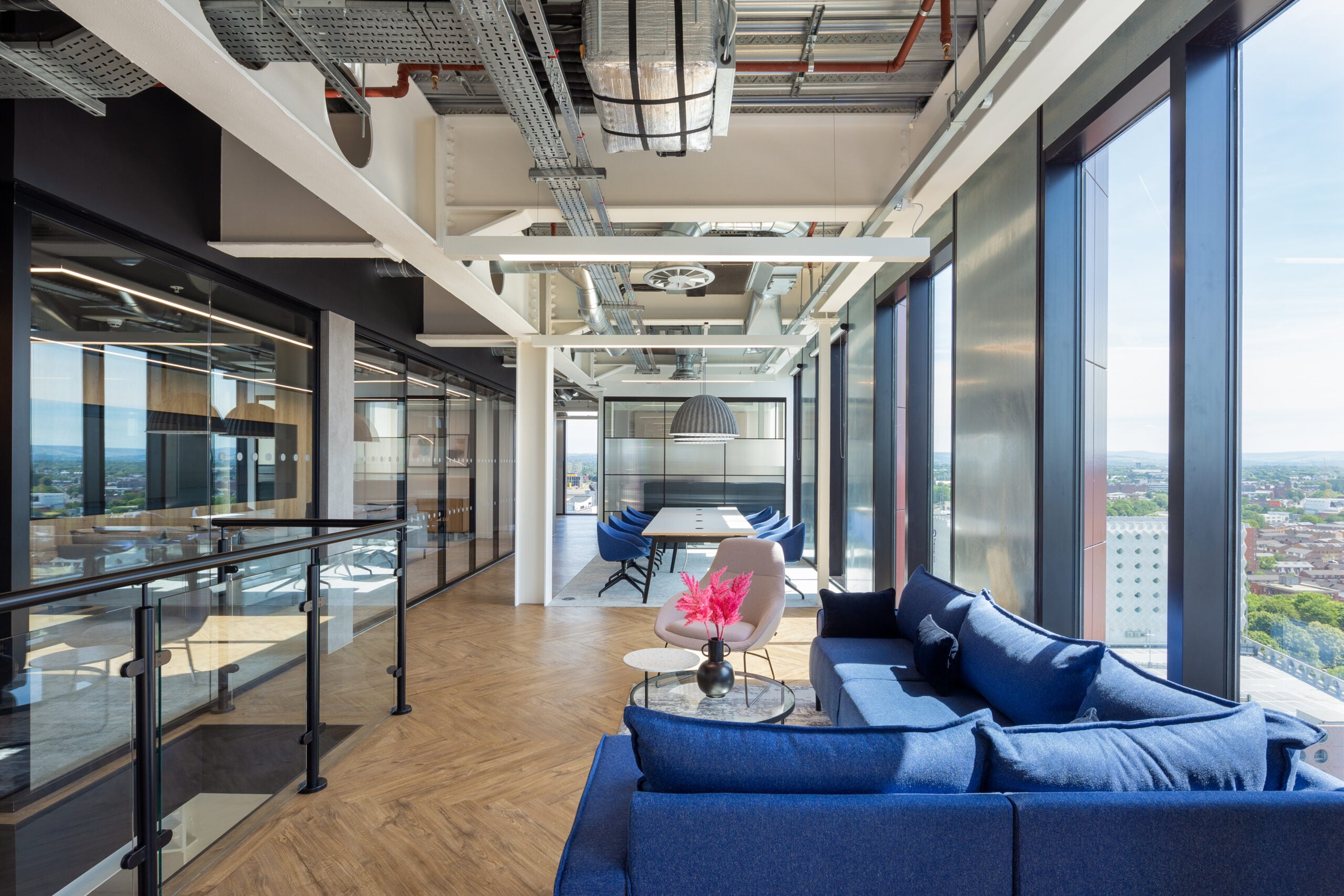
Natural light is one of the strongest contributors to wellbeing. Exposure to daylight supports healthy sleep patterns and stabilises energy levels. It also improves alertness, making it easier to stay focused. Healthy offices therefore aim to bring light as far into the space as possible. Open layouts, glass partitions and reflective surfaces help brighten the interior without increasing glare.
Air quality is equally important. Poor ventilation can lead to fatigue and difficulty concentrating. Effective designs use a mix of mechanical and natural ventilation to maintain steady airflow. Choosing low-VOC finishes and furnishings also helps reduce pollutants and supports a cleaner indoor environment.
Biophilic Design and Connection to Nature
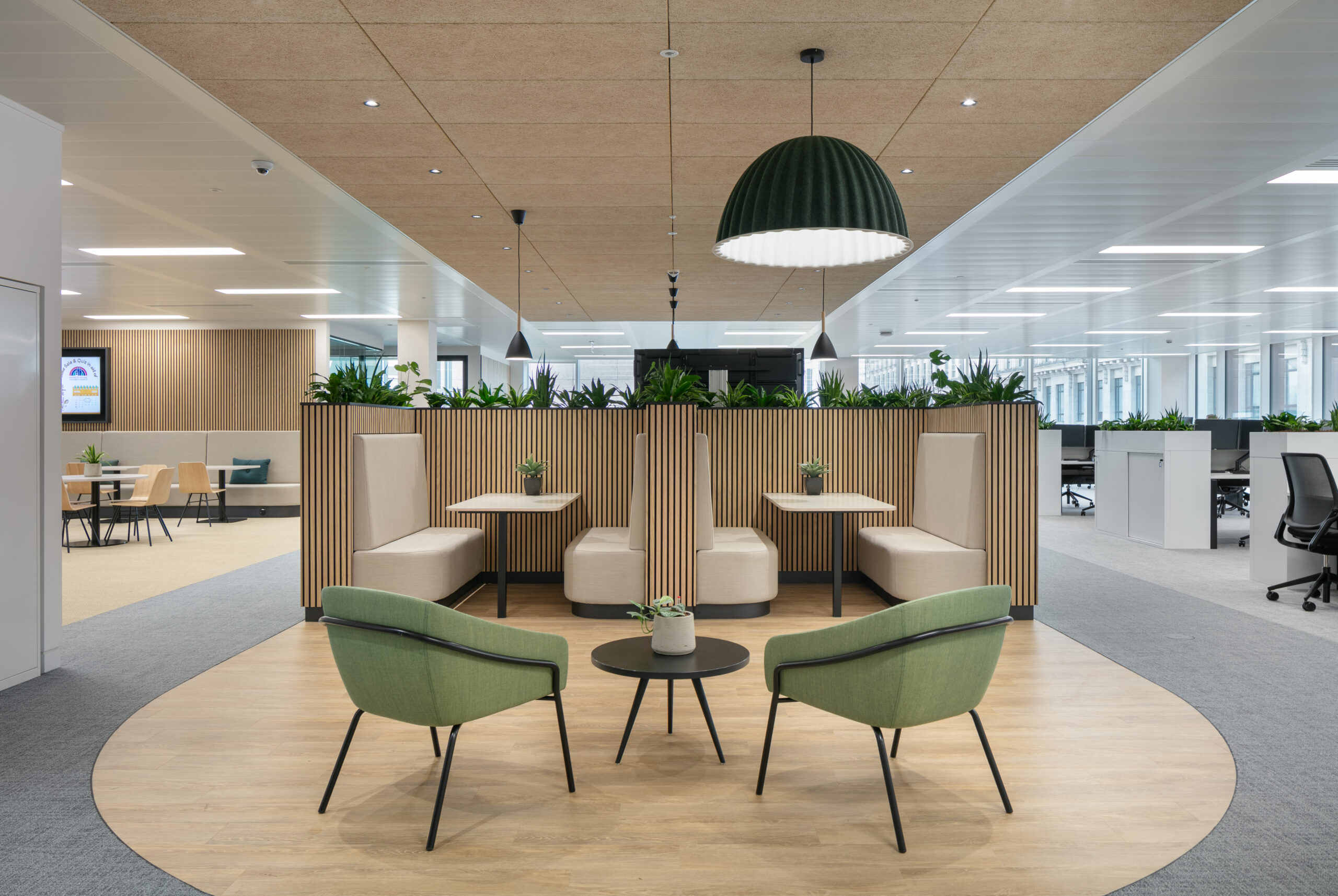
Designers increasingly recognise the value of biophilic elements in the workplace. Nature has a calming effect on the mind and helps reduce stress. Even simple additions, such as integrated planting, natural textures and soft, organic forms, can improve mood and comfort.
A healthy office may include:
- Low-maintenance planting schemes
- Natural materials such as timber, stone and soft fabrics
- Warm, nature-inspired colour palettes
- Artwork that reflects natural themes
These elements create a more welcoming environment and support a sense of balance throughout the working day.
Acoustic Comfort and Noise Control
Noise is a common source of frustration in offices. It interrupts focus and increases stress. Acoustic design aims to manage sound levels so the workspace remains calm and productive. This often begins with understanding how each area will be used.
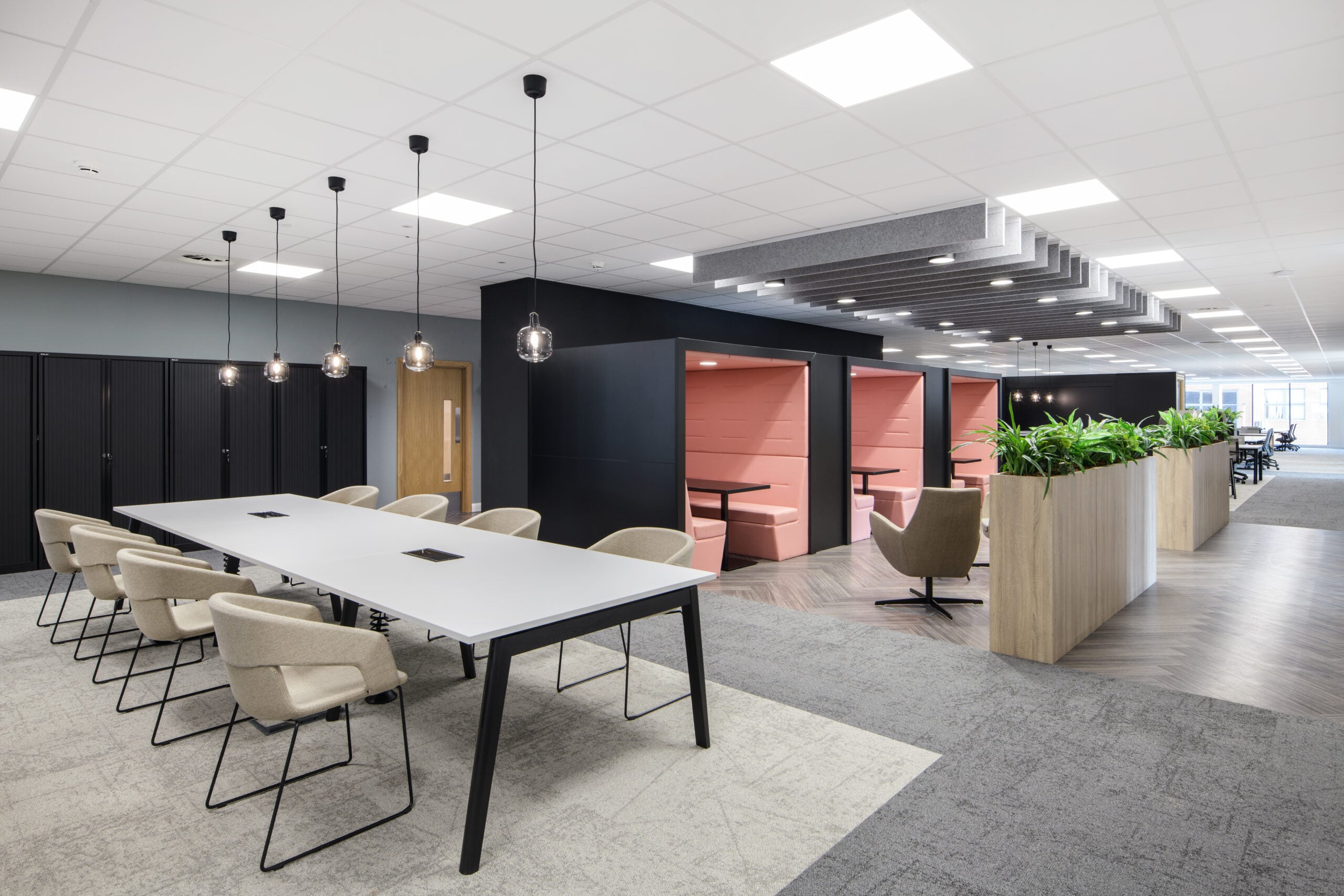
Healthy workplaces blend a range of acoustic solutions. These may include ceiling baffles, wall panels, soft furnishings, desk screens and quiet rooms. The aim is to give employees a choice of environments, whether they need concentration, collaboration or relaxation. When acoustic comfort improves, overall performance improves with it.
Ergonomics, Movement and Physical Comfort
Furniture has a significant influence on physical health. Adjustable chairs, sit-stand desks and well-designed workstations help reduce strain and support good posture. When people can shift position or move easily through the day, they feel more comfortable and remain engaged for longer.
Healthy offices promote movement in natural ways. This may include:
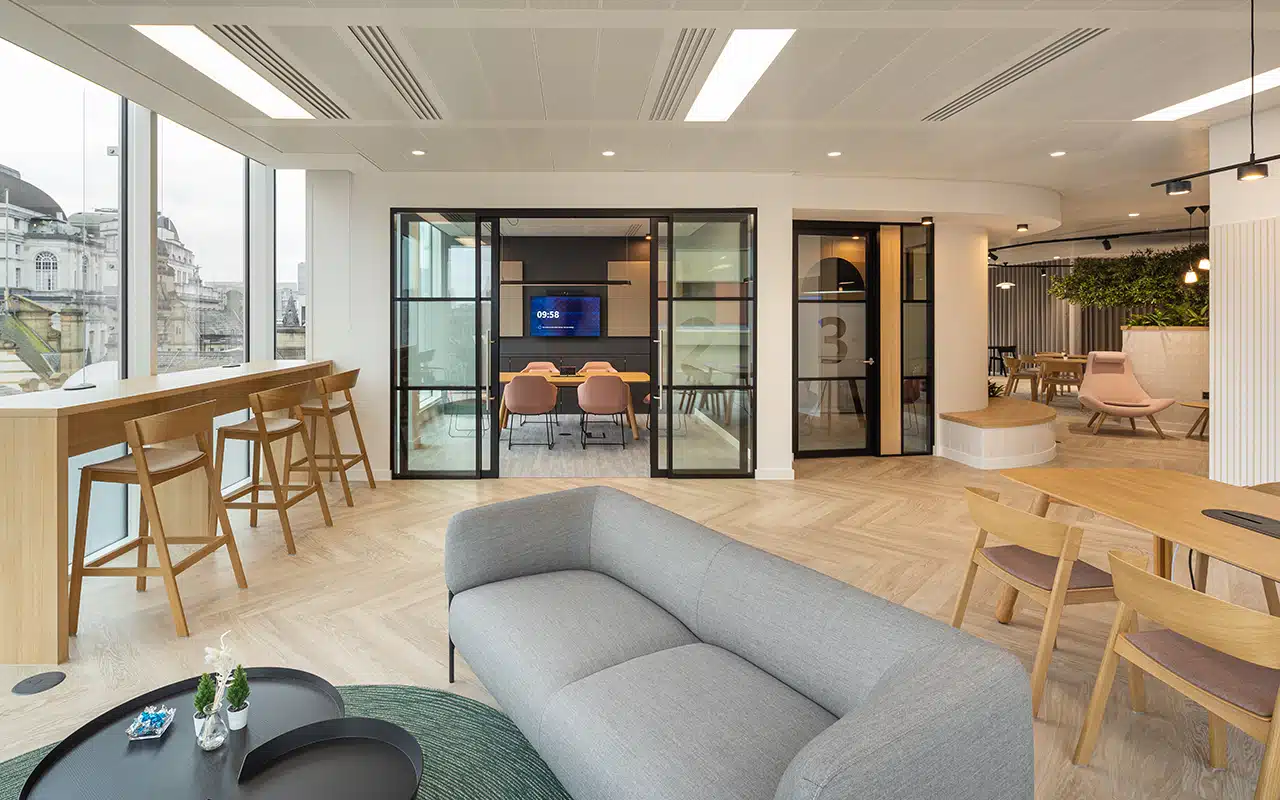
- Varied work settings for different tasks
- Breakout spaces that encourage short pauses
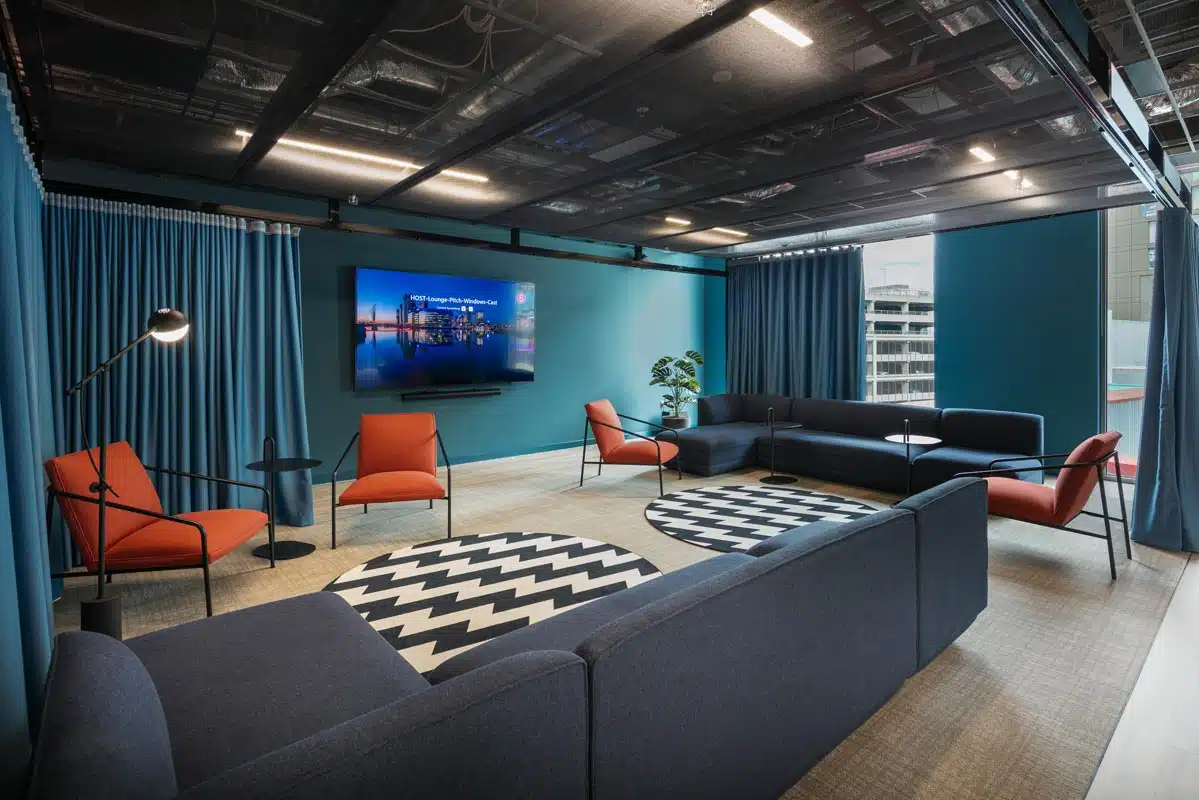
- Informal seating areas away from the desk
- Clear circulation routes that support walking
These small changes help staff maintain better energy levels and reduce discomfort during longer work periods.

Layout, Zoning and Workplace Behaviour
The layout of a workspace influences how people use it and how they interact with others. Evidence-based planning focuses on actual workstyles, team requirements and individual needs. This creates a layout that supports productivity without overwhelming staff.
Healthy offices often use zoning to balance different activities. For example, quiet zones support deep work, while collaboration areas encourage teamwork. Social spaces give people a place to pause and reset. Technology is also integrated to support hybrid working, improving communication and reducing friction.
A flexible layout allows businesses to respond to change more easily, which reduces disruption and supports long-term workplace wellbeing.
Responsible Material Selection and Environmental Quality
Healthy design also considers the wider environmental impact. Responsible material choices help create a cleaner, more sustainable workspace. This includes selecting low-toxicity paints, durable flooring and high-quality materials with lower embodied carbon.
Energy-efficient lighting and heating systems also support both comfort and sustainability. When combined with smart controls, the building can adapt to different occupancy levels. This helps maintain consistent environmental quality throughout the day.
Technology That Supports Wellbeing
Creating a Healthy Office with ADT Workplace
Healthy offices are the result of thoughtful, evidence-based design. They combine natural light, acoustic planning, ergonomic furniture, biophilia and responsible materials to create spaces where people thrive. When businesses take this approach, they gain a workplace that supports both wellbeing and long-term performance.
ADT Workplace helps organisations design and deliver environments that put people first. Our team creates workplaces that inspire, support productivity and reflect each client’s unique culture.
If you’re ready to transform your workspace, our specialists are here to help.